People
Faculty
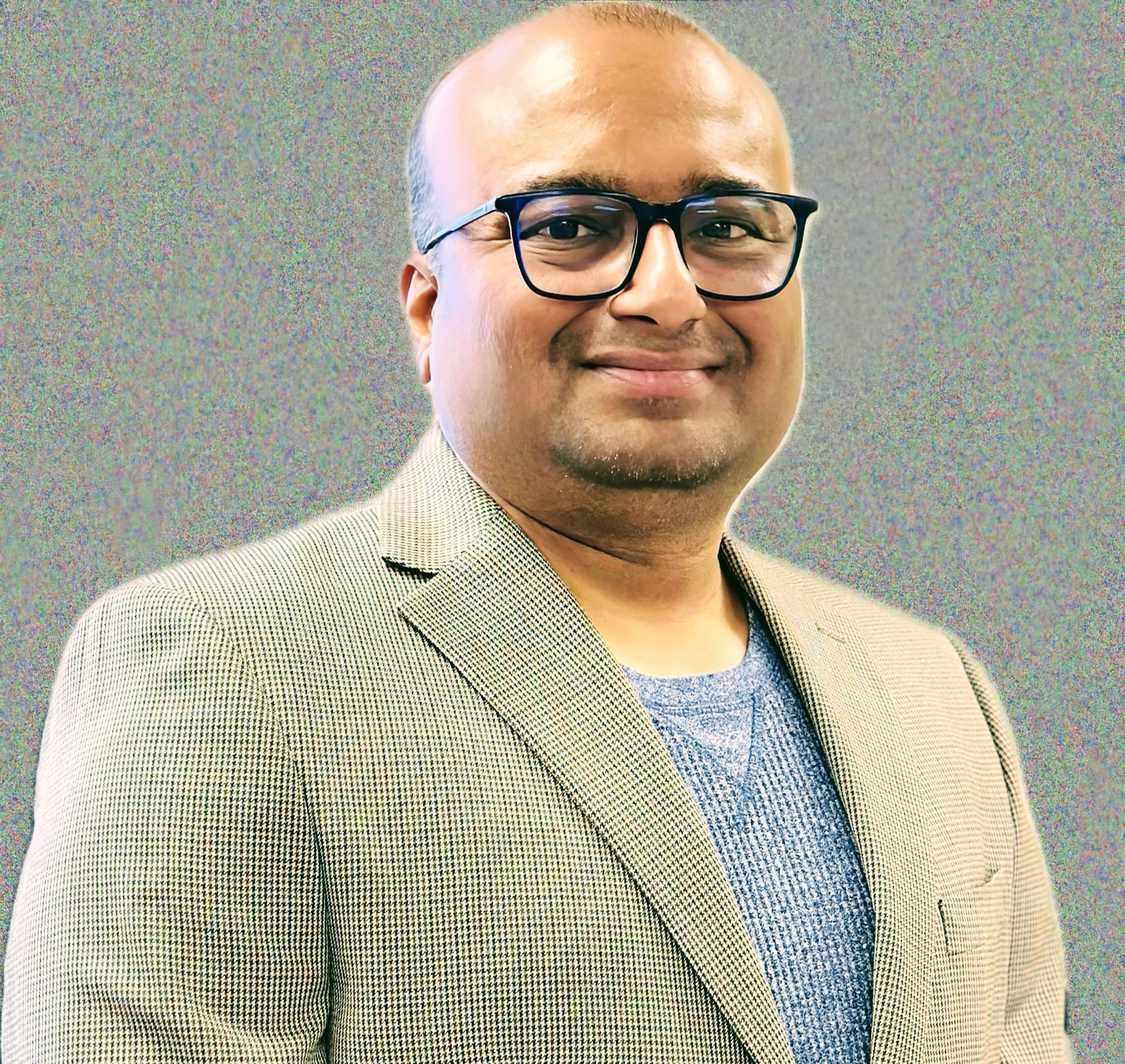
Debarshi Datta
Debarshi Datta, PhD, is an Assistant Professor in Data Science at the Christine E. Lynn College of Nursing, Florida Atlantic University. He completed a PhD in Experimental Psychology at the Charles E. Schmidt College of Science, Florida Atlantic University. Dr. Datta has experience developing AI-driven decision-support systems for healthcare data, including understanding problem statements, handling disputes, conducting exploratory data analysis, building models, and data visualization and storytelling. Dr. Datta’s current research focuses on data-driven domains, such as AI/ML, to understand population-based disease prognosis. His primary research contribution has been to determine the severity of the disease, inform decision-making for developing a model that comprehends the most significant features predicting mortality and disease severity, and to utilize traditional AI/ML techniques such as decision trees, random forests, XGBoost, and deep learning. In other research, he is developing a model to predict dementia early. Dr. Datta has received numerous intramural grants, including Early Prediction of Alzheimer's Disease and Related Dementias on Preclinical Assessment Data using Machine Learning tools; Seed Funding from Smart Health for COVID-19 research; NSF I-Corps Customer Discovery Funding; and the ALL of US Institutional Champion Award, among many others.
Morgan Cooley
Morgan Cooley earned her Ph.D. in Marriage and Family Therapy in 2014 and MSW in Social Work in 2009 from Florida State University in Tallahassee, Florida. She taught as an Assistant Professor between 2014-2018 at the University of Tennessee at Chattanooga. Currently, Dr. Cooley is a social work faculty member at Florida Atlantic University. She is a licensed clinical social worker with practice experience in couple and family therapy, working with families impacted by the child welfare system, and mental health and trauma. Dr. Cooley’s research is greatly influenced by a background in both social work and family science and focuses on examining the relationships between child mental health, family systems, and the child welfare system. Specifically, she is interested in the relationship quality between children and foster caregivers, foster family well-being, foster parent preservice training, supporting relationships between birth and foster families for the benefit of youth in care, factors associated with improved mental health of youth in care, child welfare policy, and training for foster caregivers and child welfare professionals..
David Newman
David Newman, PhD, is a Professor and Biostatistician at Christine E. Lynn College of Nursing, Florida Atlantic University. He is also one of the seven faculty members assigned to the Biostatistician Core and helps to support research across the university. Dr. Newman has more than 100 scholarly publications, teaches advanced statistics and research methodology classes in the Ph.D. program with a focus on longitudinal data analysis using generalized linear mixed models, latent growth models, and machine learning and AI models. Dr. Newman is the principal investigator or co-investigator on multiple NIH and other federal, state, and foundation grants. His research aligns with two of FAU's research pillars, the Institute for Human Health and Disease Intervention (I-HEALTH) and the Institute for Sensing and Embedded Network Systems Engineering (I-SENSE). Dr. Newman’s CON’s research focuses on areas of aging across the lifespan, with a concentration on geriatrics, cognitive functioning, physical functioning, and pain management. The partnership between I-HEALTH and I-SENSE has enabled Dr. Newman and his co-researchers to obtain more precise continuous measurements of key variables, thereby enhancing the accuracy and stability of the models.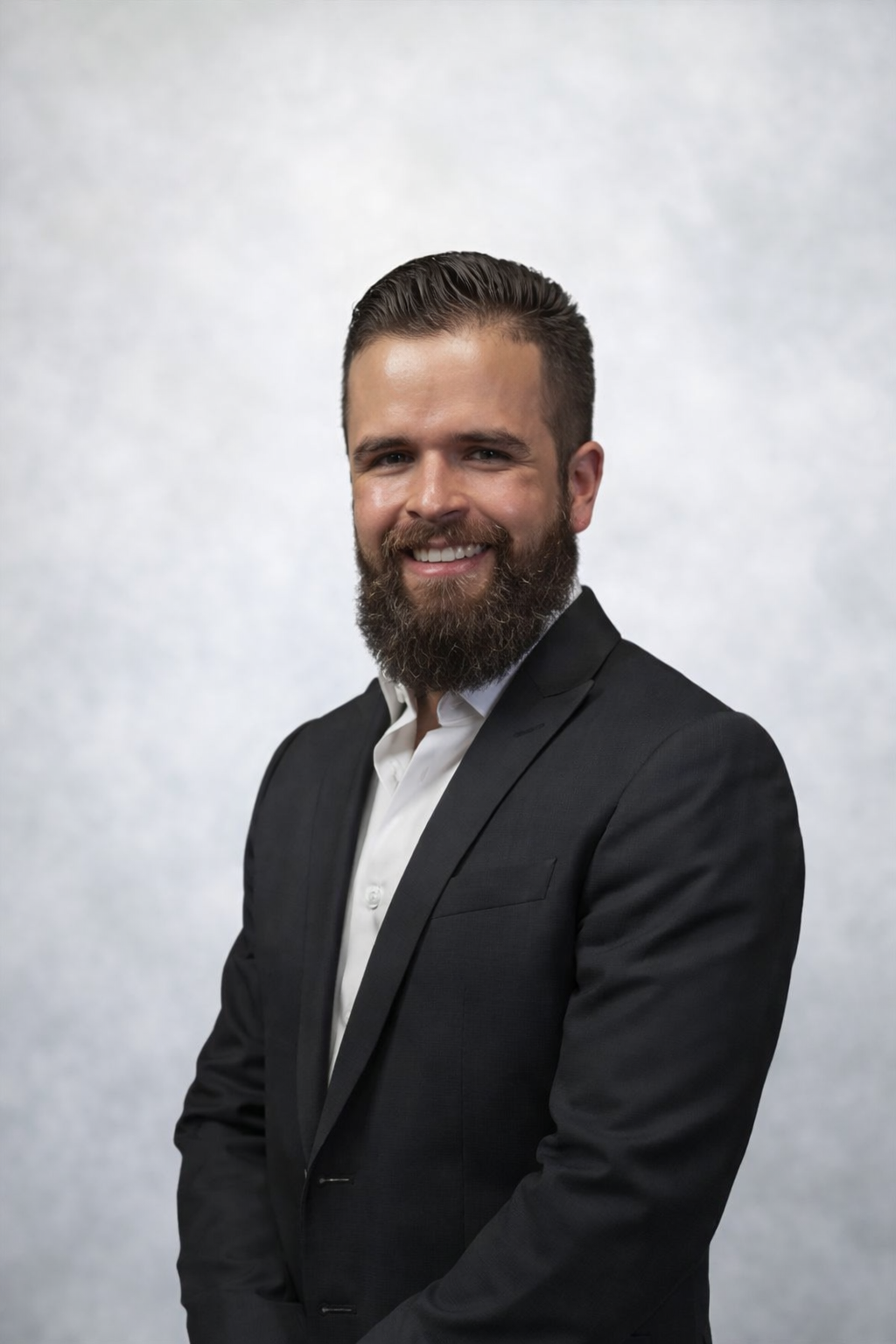
Alan Kunz-Lomelin
I’m Dr. Alan Kunz-Lomelin, Assistant Professor in the School of Social Work at Florida Atlantic University and a Licensed Clinical Social Worker (LCSW). My work focuses on the next era of behavioral health and human services, where artificial intelligence and large language models become part of the infrastructure of care, education, and research. I examine how these tools can strengthen human judgment rather than replace it by augmenting clinical workflows, expanding access to high-quality information, supporting training and supervision, and accelerating research in mental health and substance use systems, while also addressing the governance, workforce, and accountability challenges that emerge at scale. Methodologically, I draw on quantitative approaches, applied AI, and social network analysis to connect innovation with measurable outcomes and system readiness.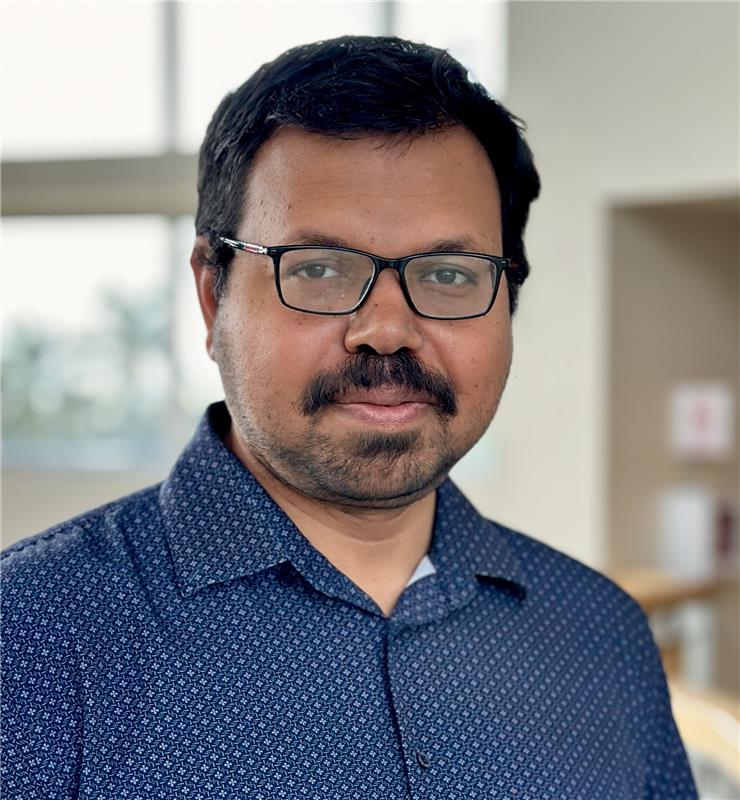
Subhosit Ray
Subhosit Ray, PhD, is a Senior Research Fellow in Data Science at the Christine E. Lynn College of Nursing, Florida Atlantic University. His research applies computational methods and machine learning to large-scale social and health datasets, including geospatial and GPS-derived behavioral data and population-scale electronic health records. His work focuses on identifying patterns of human behavior and health outcomes using data-driven approaches, with applications in detecting cognitive change, modeling disease risk, and understanding population-level health dynamics. Dr. Ray’s recent research includes developing explainable machine learning models using large-scale research platforms such as the All of Us Research Workbench to identify early predictors of Alzheimer’s disease and related dementias. He has also contributed to predictive modeling and interpretable machine learning approaches to study disease severity in infectious diseases such as COVID-19. Dr. Ray completed his PhD in the Department of Psychology at Florida Atlantic University, where his doctoral research focused on developing self-organizing deep learning architectures for reinforcement learning using graph cellular automata. In addition to his work in healthcare data science, he has experience in biomedical signal processing, including analyzing EEG signals to study the frequency dynamics of visual attention and developing computational approaches to analyze ECG data for identifying sources of atrial fibrillation. Dr. Ray has contributed to several funded research initiatives, including projects supported by the All of Us Research Program and pilot funding programs focused on Alzheimer’s disease and related dementias. At the Summer Institute in Computational Social Science (SICSS), he serves as an instructor and mentor, supporting participants in applying computational and machine learning methods to interdisciplinary social science research.Speakers
Minh Nguyen
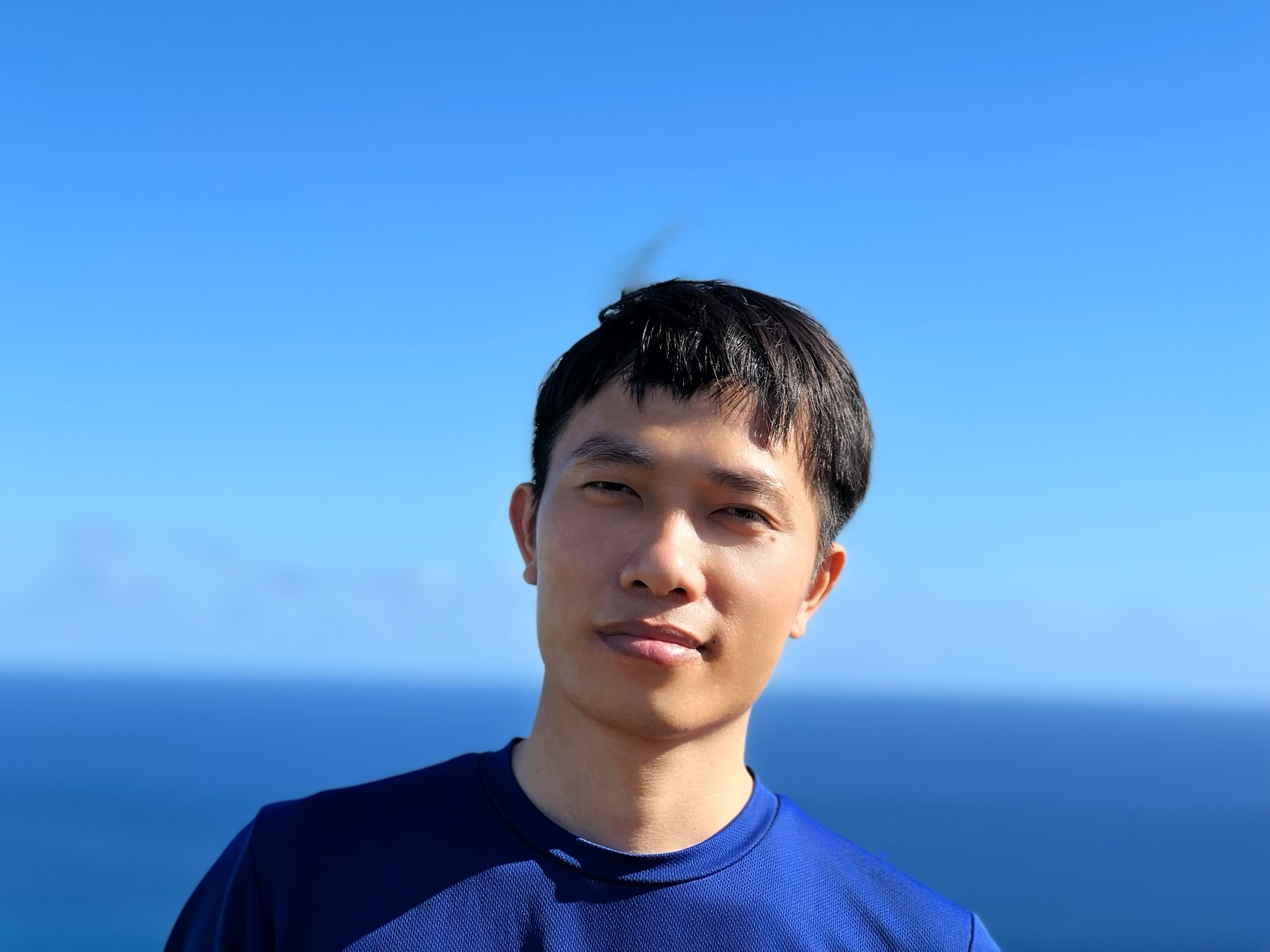
I am an Assistant Professor at IT and Operations Management Department at FAU. I study (1) causal inference and (2) applied AI/ML in the contexts of information systems, business analytics, and healthcare. I am also very interested in (3) science of science (exploring how researchers using methods to do research).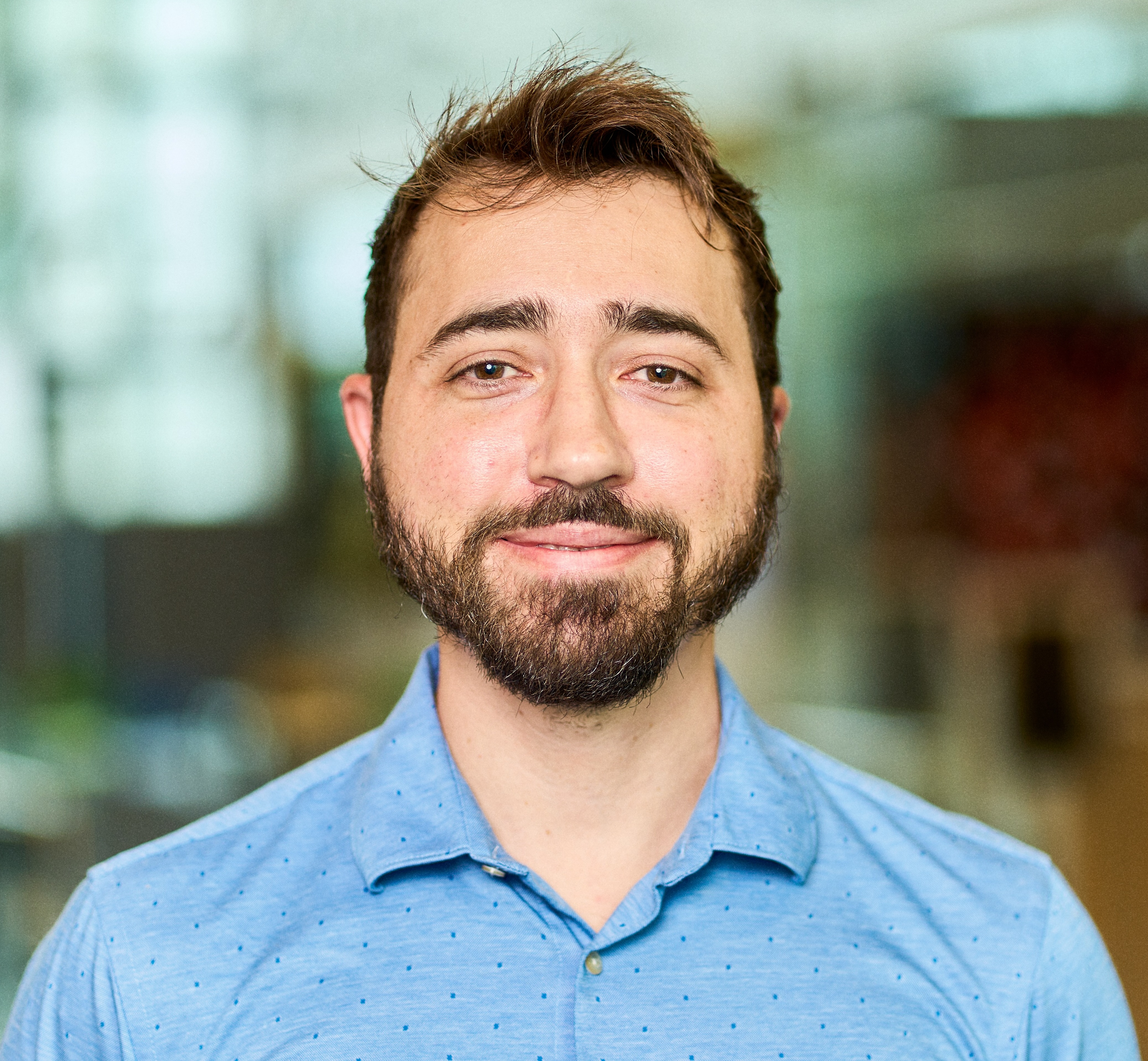
Rodrigo Pena
Rodrigo Pena is an Assistant Professor in the Biological Sciences Department at Florida Atlantic University. He works on communication between the different levels of organization in the brain with Computational Neuroscience. His computational modeling includes ion channels, synapses, neurons, networks, and systems, which involve many spatial scales and their interactions. He completed postdoctoral training at NJIT and Rutgers University and received his Ph.D. in Physics Applied to Medicine and Biology from the University of São Paulo. Additionally, he participated in a partnership with the International Research Training Group IRTG 1740 between Brazil and Germany and was a visiting scientist at the Humboldt University of Berlin and the Bernstein Center for Computational Neuroscience. He has also received training and worked at the Swiss Federal Institute of Technology in Lausanne as an undergraduate.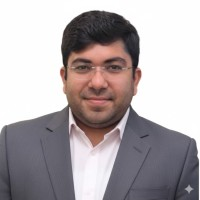
Harshal Sanghvi
Dr. Sanghvi is a Visiting Instructor and Director of Healthcare Analytics in the College of Business at Florida Atlantic University. He earned a Ph.D. in Computer Engineering and completed a Post-Doctoral Fellowship in Neural Engineering at Florida Atlantic University. He also serves as the Chair of the National Science Foundation NSF IUCRC CAKE Center and brings over 10 years of combined experience in industry and academia.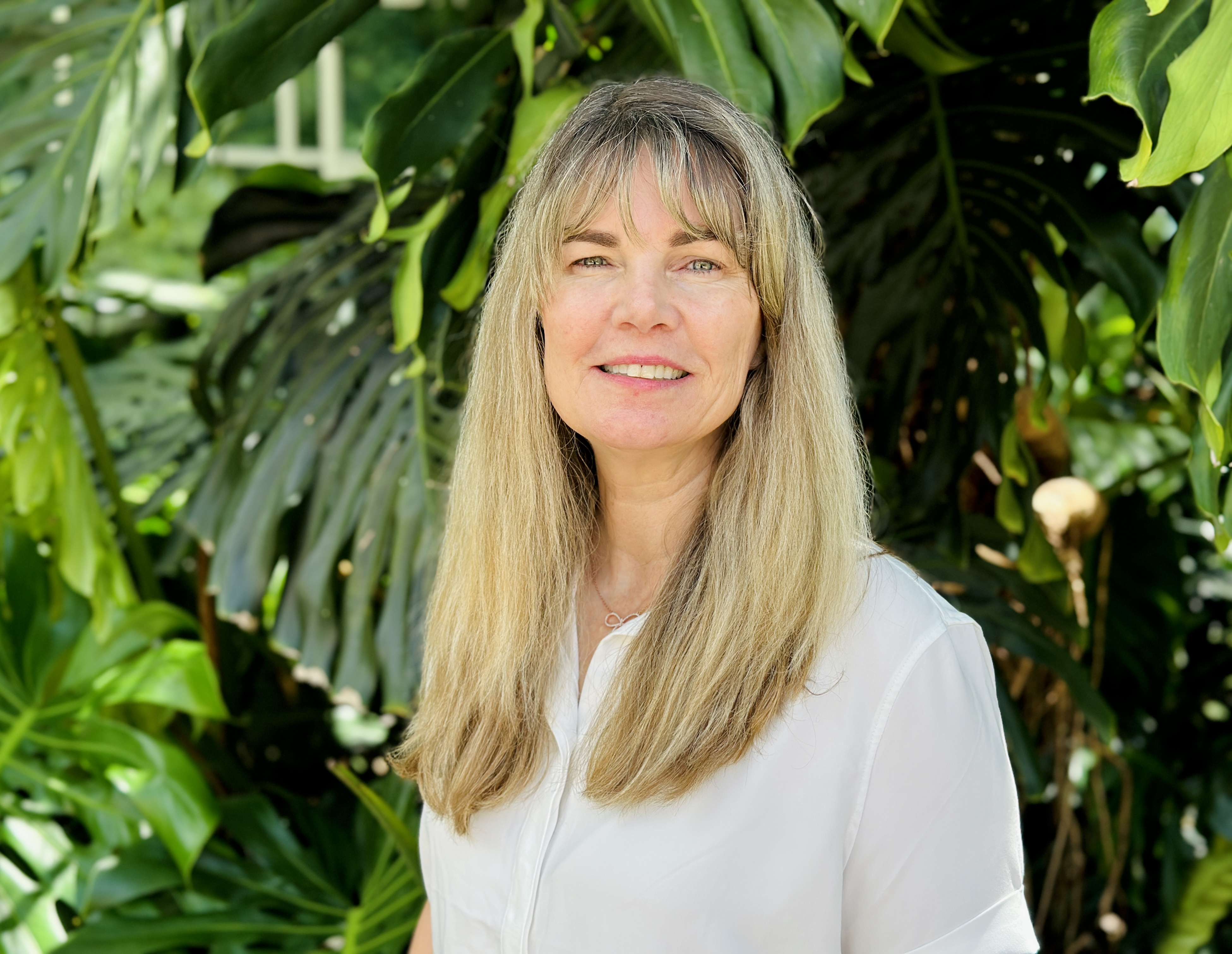
Candy Wilson
Dr. Candy Wilson is a tenured Professor, Schmidt Family Distinguished Professor, and Associate Dean for Research and Scholarship at Florida Atlantic University’s Christine E. Lynn College of Nursing. A retired U.S. Air Force Colonel and women’s health nurse practitioner, she has secured over $22 million in federal funding, authored 60 publications, and mentors award-winning nursing students.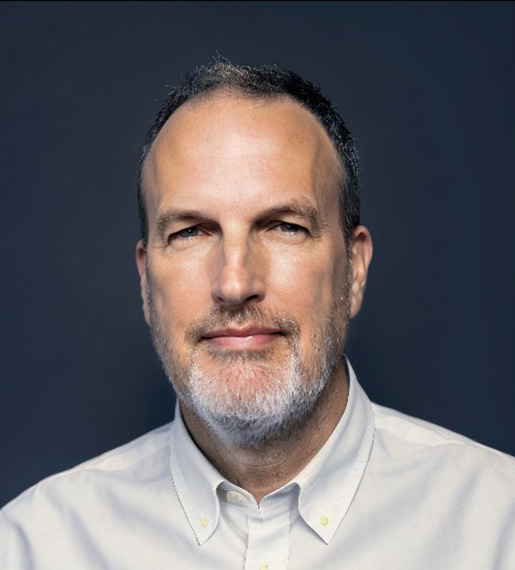
Timothy Dye
Timothy Dye, PhD, JD is Professor and Chair of Population Health at Florida Atlantic University's Schmidt College of Medicine and a licensed attorney. His work converges AI, international law, and health, spanning LLM-based measurement of social phenomena, health attitudes, and epidemiology. Grounded in data diplomacy and international law, he often works with consent, sovereignty, and bias.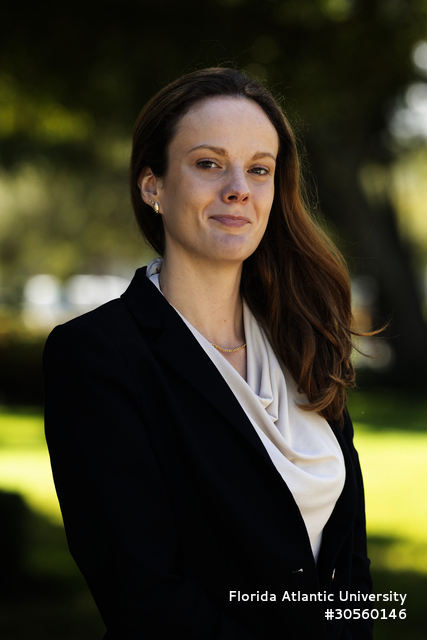
Ana Aleksandric
Ana Aleksandric is an Assistant Professor of Teaching at FAU. Her research is highly interdisciplinary at the intersection of data and social sciences, and public health informatics. Her research focuses on user behavior in toxic online conversations and social media discourse on public health topics, including women’s health and diabetes.Teaching Assistants
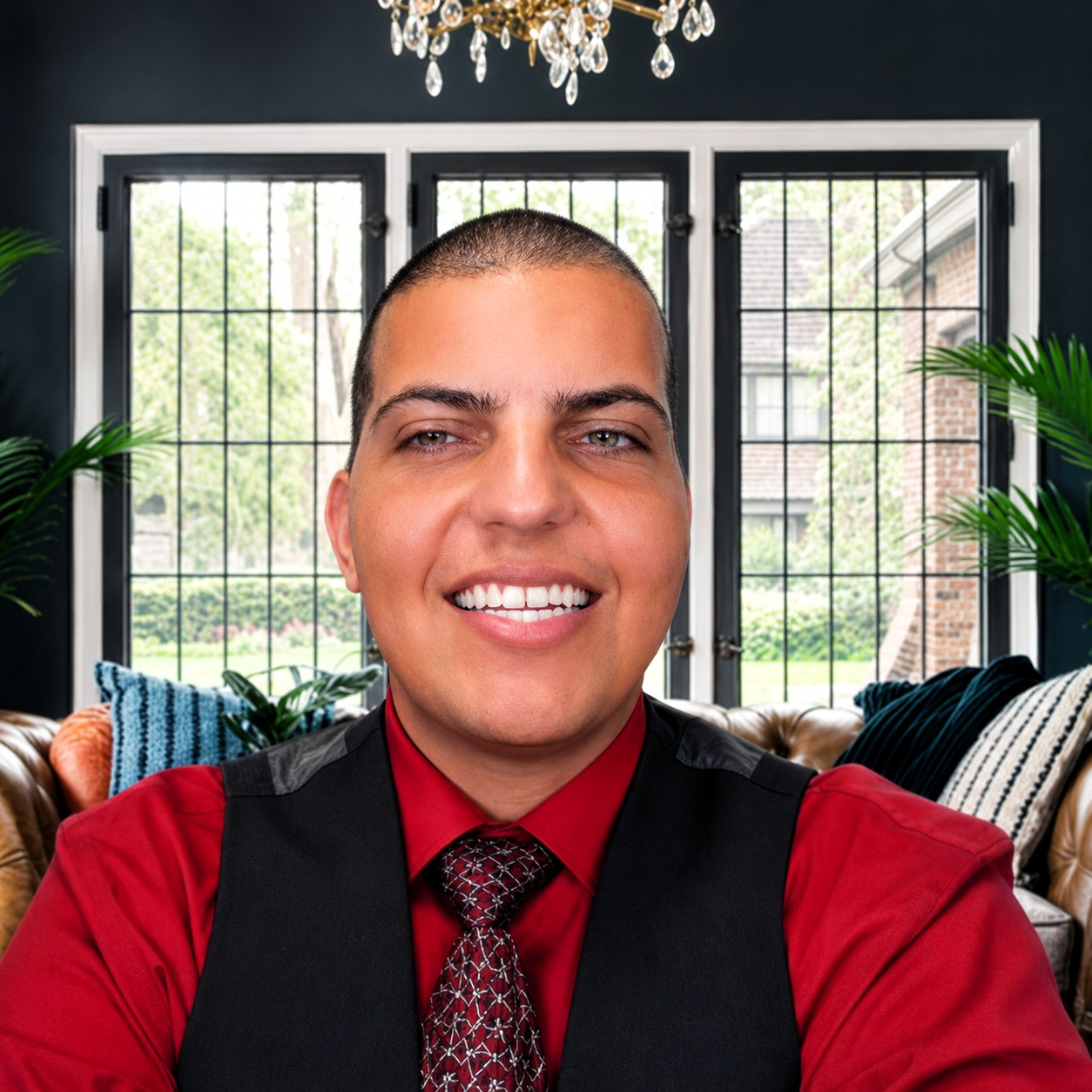
Alexandru Pasarariu
Alex is currently a Research Coordinator for the Eminent Scholars Office at the FAU Christine E. Lynn College of Nursing, a doctoral student in the FAU Public Administration Doctoral Program, and a member of the Florida State Guard’s Aviation Response Squadron, where he serves as the NCOIC of S-1.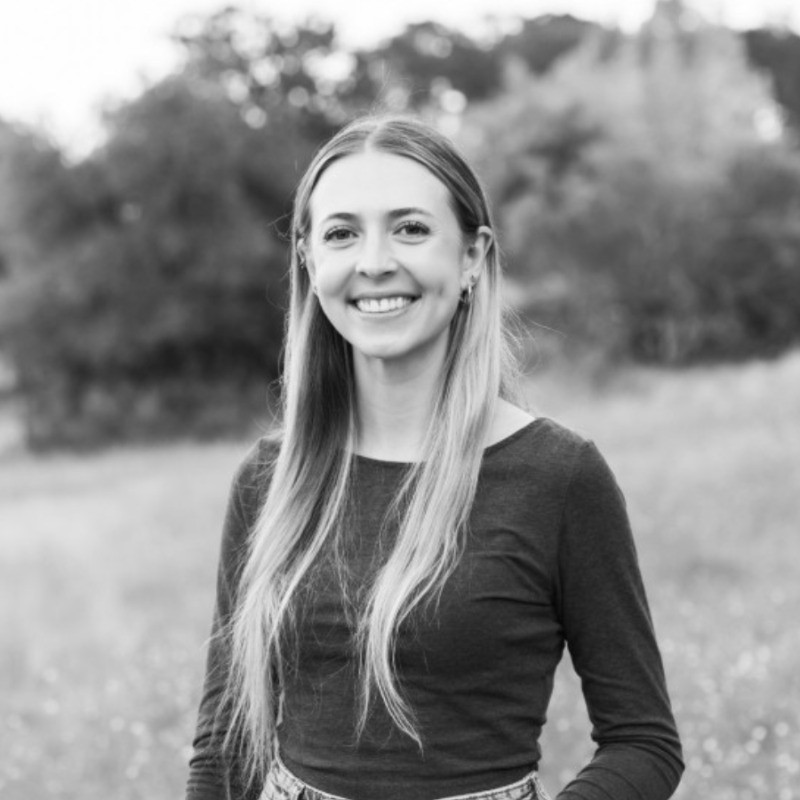
Edita Folfas
Edita Folfas graduated with her Ph.D. in Quantitative Biology in 2025 from the University of Texas at Arlington. She is currently a Postdoctoral Researcher at Florida Atlantic University in the Department of Biological Sciences. Her research focuses on the ways that resource availability and species interactions work together to shape animal behavior and community structure. She is especially interested in niche partitioning and the mechanisms that allow for multiple competing species to stably coexist. She uses a combination of statistical modelling, field observations, in-lab experiments, and cutting-edge deep learning tools paired with video analysis to achieve these goals. She uses lizards as a system to explore these questions, as they are a diverse group of animals that are also very fun to work with!Participants
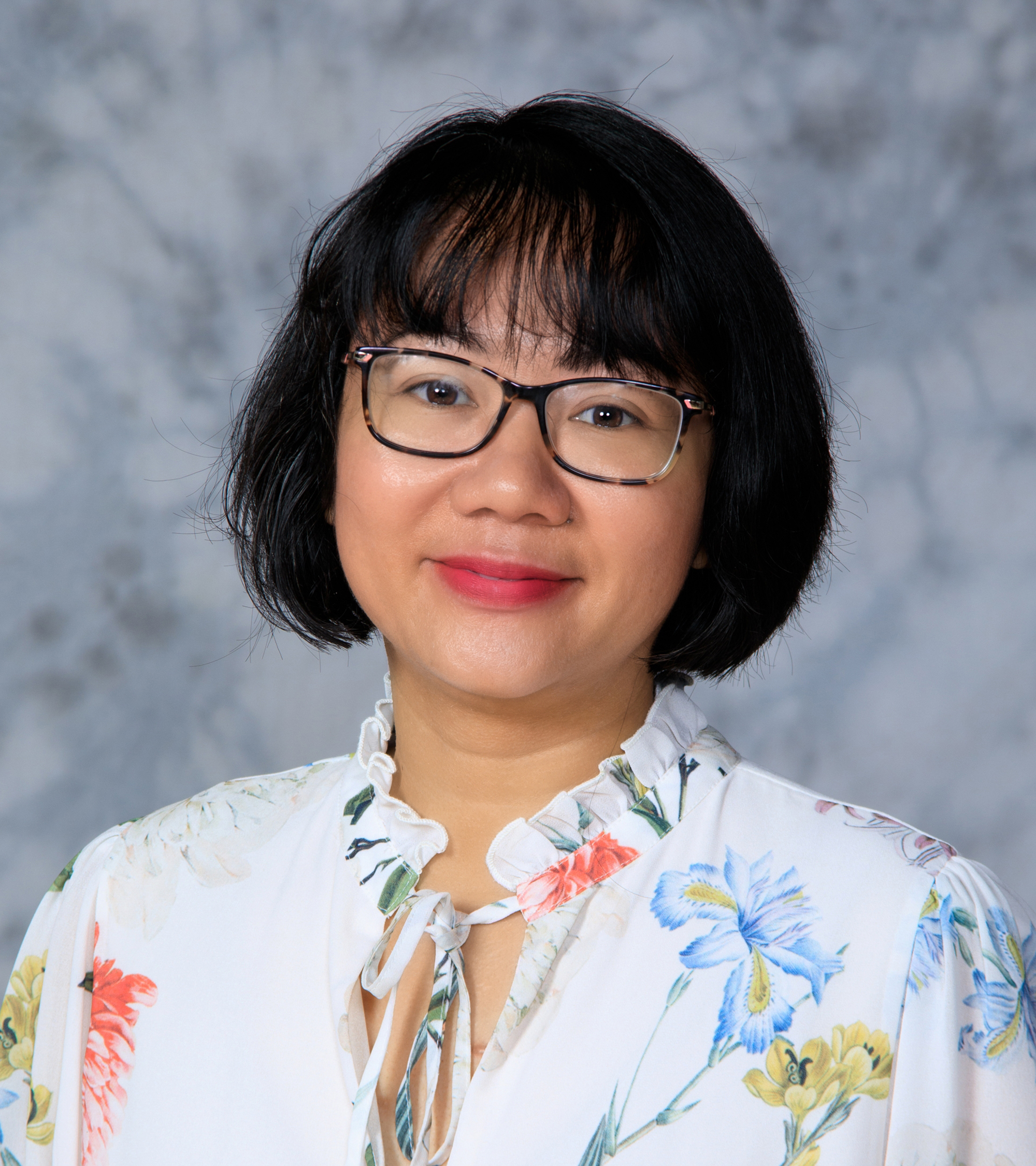
Hanh Phan
Hanh Phan is an Assistant Professor of Finance at Chatham University. Her research interests include corporate finance, real estate, and sustainability. She earned her Ph.D. in Finance and Real Estate from the University of Texas at Arlington and her Master's in Financial Management from Tilburg University.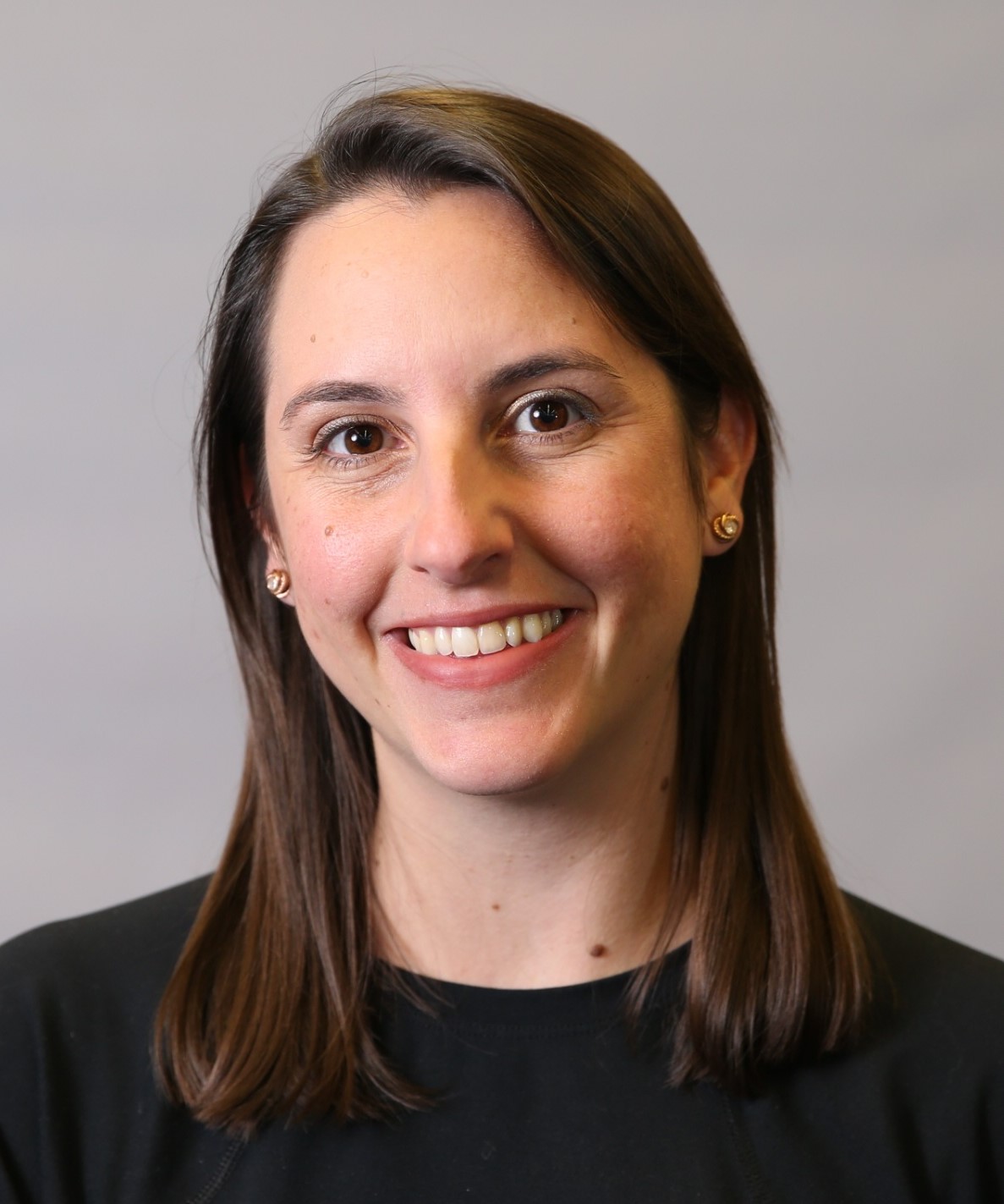
Michelle Knecht
Michelle Keba Knecht is the Senior Medical Librarian for the Schmidt College of Medicine at Florida Atlantic University and a doctoral student in the Department of Curriculum and Instruction. Her research uses Legitimation Code Theory to examine code clashes between healthcare professionals and breast cancer survivors.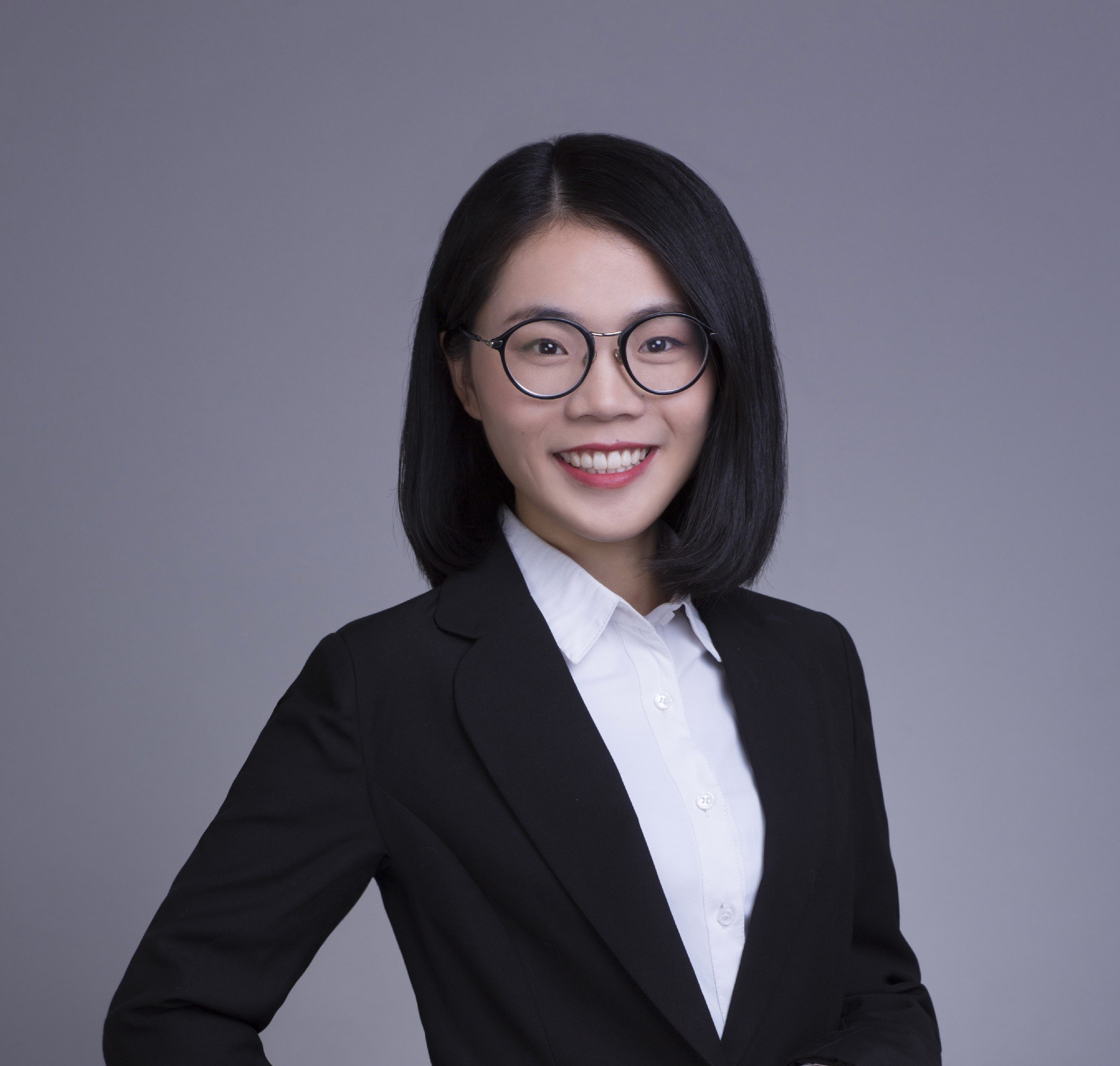
Shanting Chen
Shanting Chen is an Assistant Professor of Psychology at the University of Florida. She studies how life experiences get under the skin—using machine learning and epigenomics to understand why chronic stress accelerates aging and increases chronic disease risk, particularly among marginalized populations.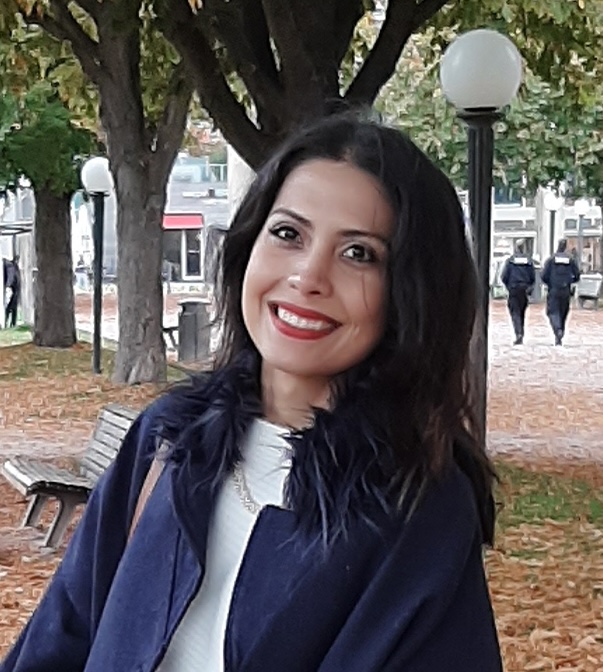
Aida Ashtari Nakhaee
Aida Ashtari is a Ph.D. candidate in Economics at Florida International University. Her research interests lie at the intersection of health economics, public economics, and policy evaluation, with a focus on health insurance, maternal health, nutrition, physical activity, fitness, and the broader determinants of health and well-being.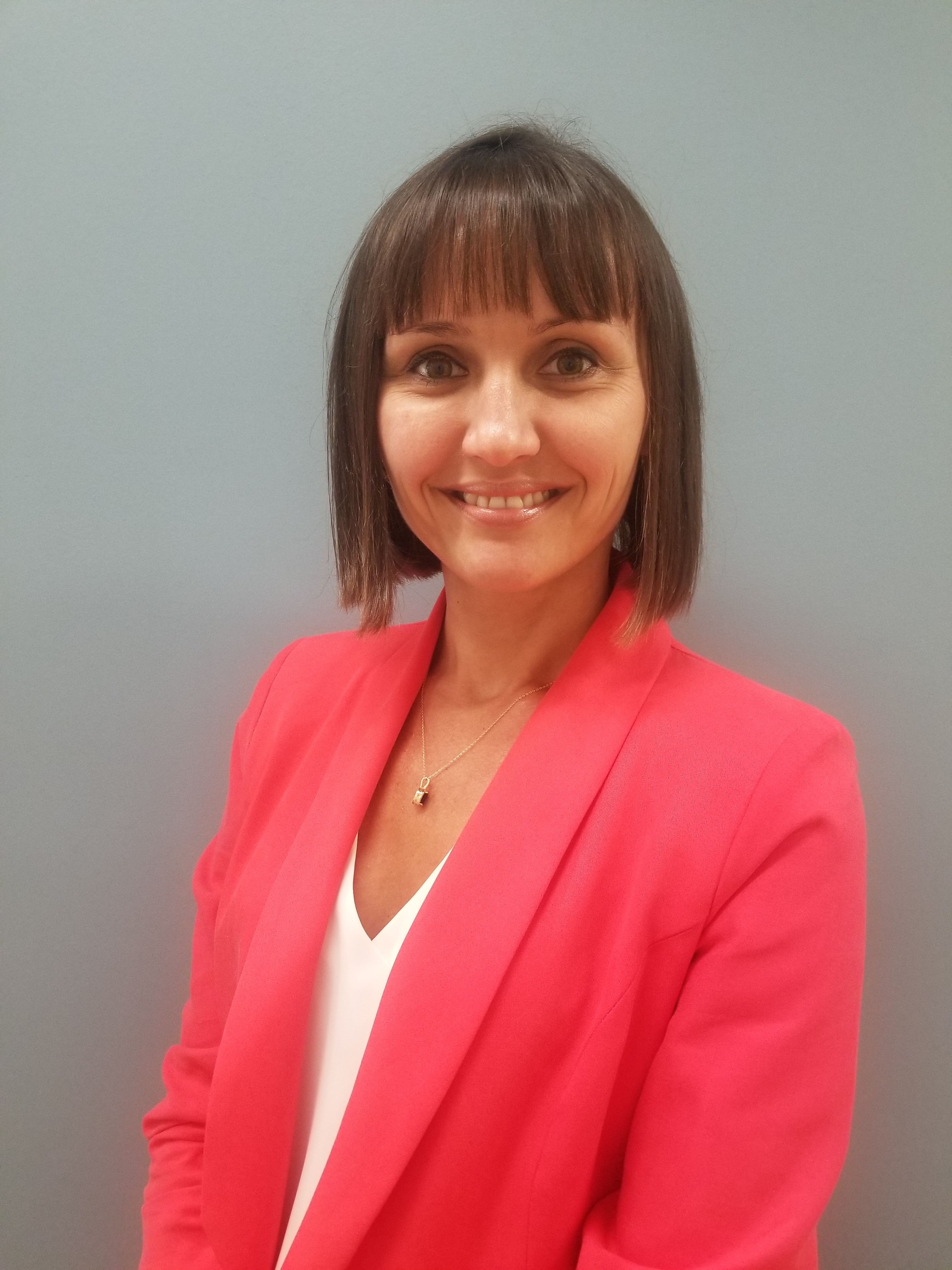
Judyta Kociolek
Judyta Kociolek is an oncology nurse with 10+ years of experience. She earned a master’s degree in Nursing Administration and Financial Leadership from Florida Atlantic University in 2019 and has served as Director of Clinical Research Unit Operations since 2023. She is also a PhD student at Christine E. Lynn College of Nursing.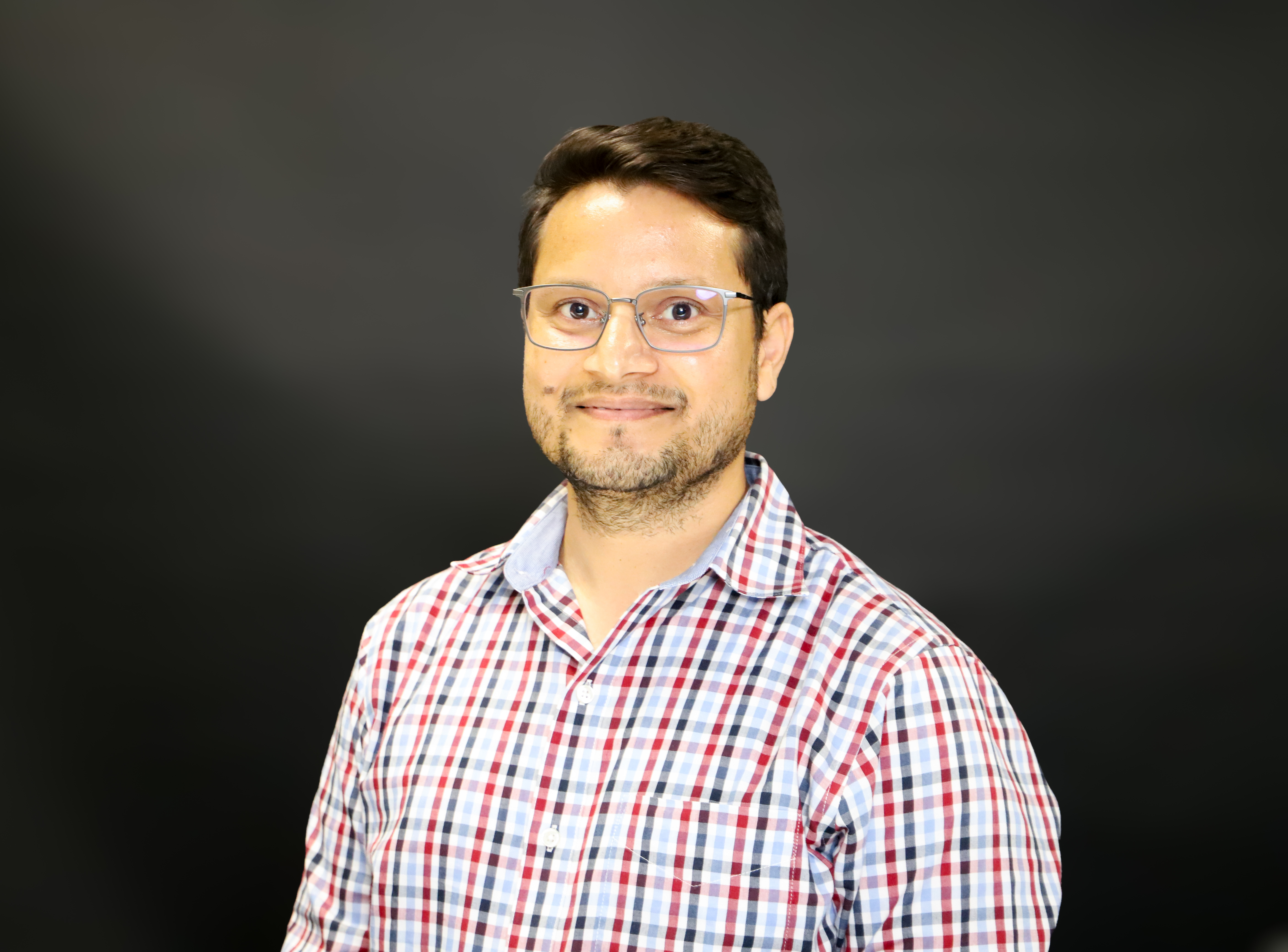
Sumarga Sah Tyagi
Sumarga Kumar Sah Tyagi (M’19) is an Assistant Professor at Florida A&M University specializing in AI, cybersecurity, IoT/IIoT, biomedical informatics, and NGS analytics. His research focuses on Bio-Cybernetics, deep learning, and genomics. He has held international academic roles and serves as editor, reviewer, and committee member.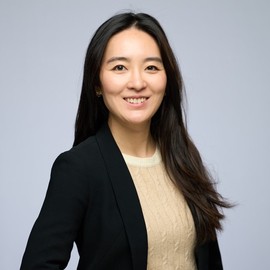
Lingwei Cheng
Lingwei Cheng is a postdoctoral researcher in public policy at the University of Central Florida. Her research examines how AI, machine learning, and administrative data systems shape social service delivery, with a focus on homelessness, child welfare, and benefits access. She uses causal inference, computational methods, and mixed methods to study algorithm-assisted decision-making, frontline discretion, and service access and outcomes.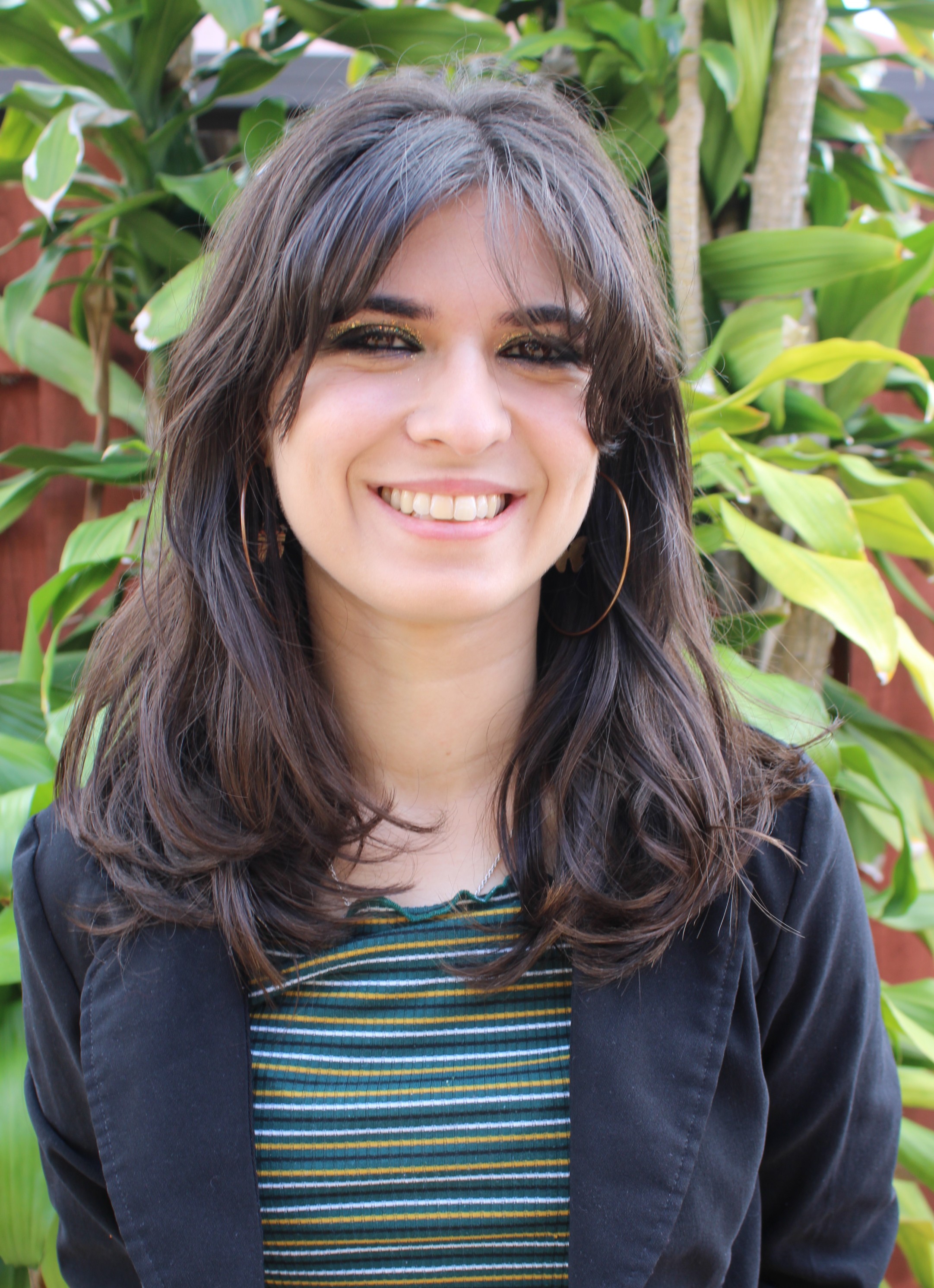
Kayla Jolly
Kayla Jolly is a PhD candidate in Social Welfare at Florida International University. Her research focuses on the emotional abuse of children, child abuse, and psychological trauma. Kayla aims to highlight the voices of children and ensure the relevance of emotional abuse frameworks to other countries and cultures.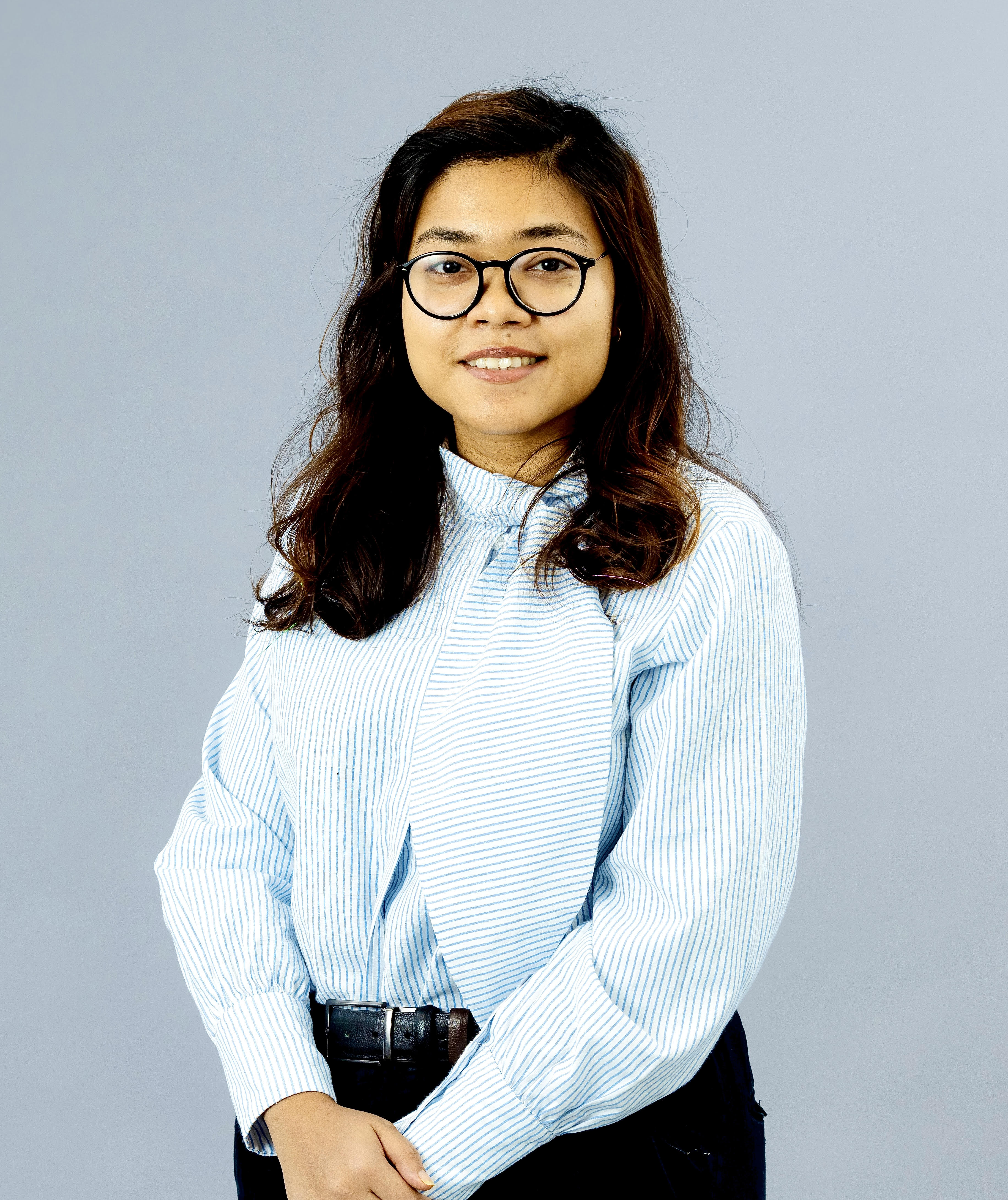
Sharika Marjan
I am a PhD student in the department of Environmental Health Sciences in Florida International University. My research focuses on the impact of environmental toxicant exposure on the neurodevelopment and cognitive function in adolescents. I have a masters in Global Health from Norway where I worked on establishing a drug screening platform for a rare genetic disease.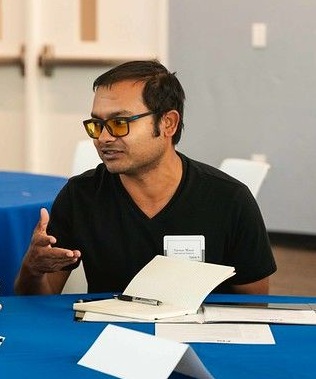
Sarwar Minar
Sarwar J. Minar is a PhD candidate in Politics and International Relations at Florida International University. His research examines how rising powers, particularly China and India, shape global governance through the United Nations using computational text analysis, NLP, and international relations theory, with a focus on human rights, climate change, emerging technologies, and space governance.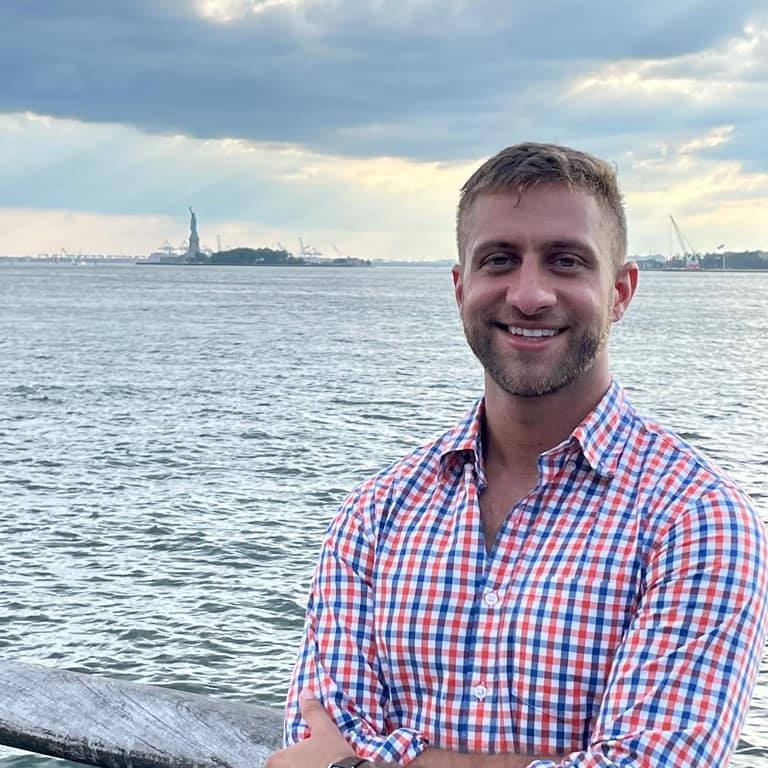
Trey Santorine
Trey Santorine is a doctoral candidate in Sociology & Criminology at the University of Miami. His research sits at the intersection of public health, sociology and criminology and currently studies homelessness, social services and social policy using mixed methods. Trey holds a MA in Sociology from Florida Atlantic University.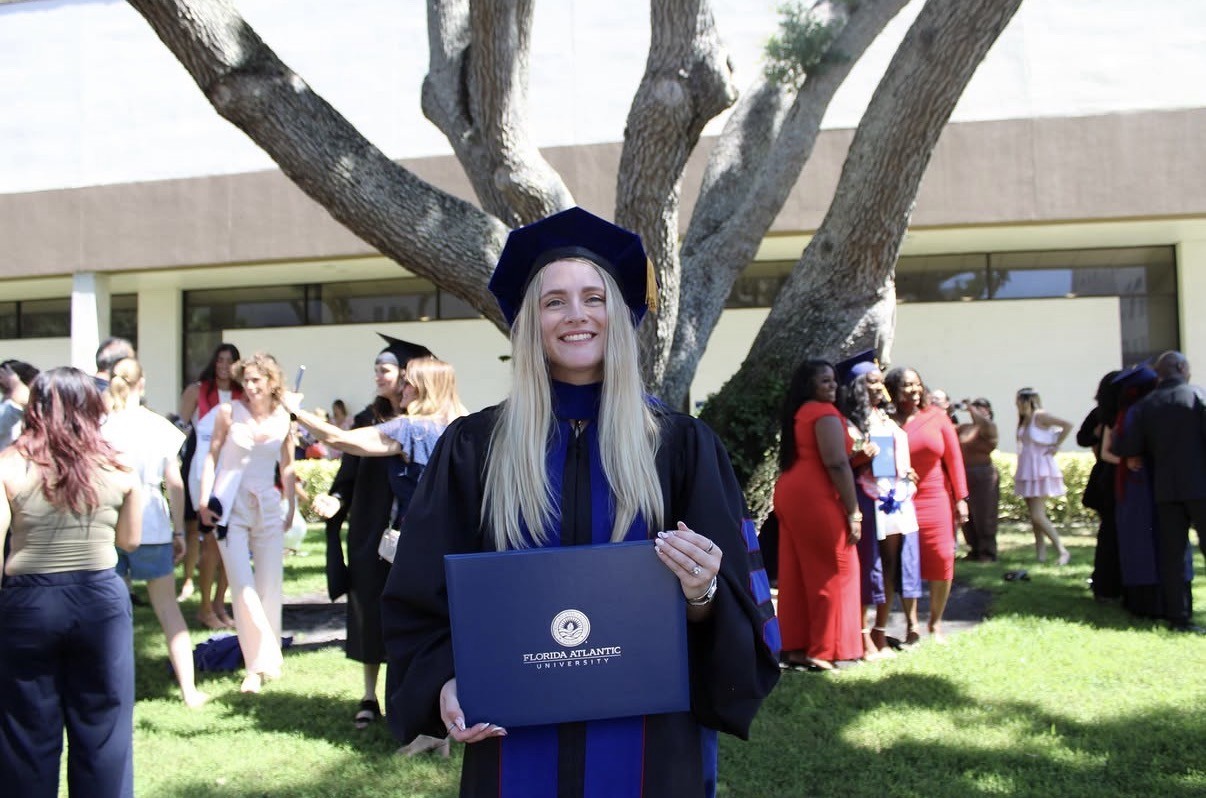
Samantha Gott
Samantha Gott, Ph.D., is a postdoctoral research fellow at Florida Atlantic University specializing in developmental neuroscience, EEG connectivity, infant temperament, and early anxiety risk. Her work integrates psychophysiology, computational modeling, and longitudinal developmental research to better understand neurodevelopmental trajectories across infancy and early childhood.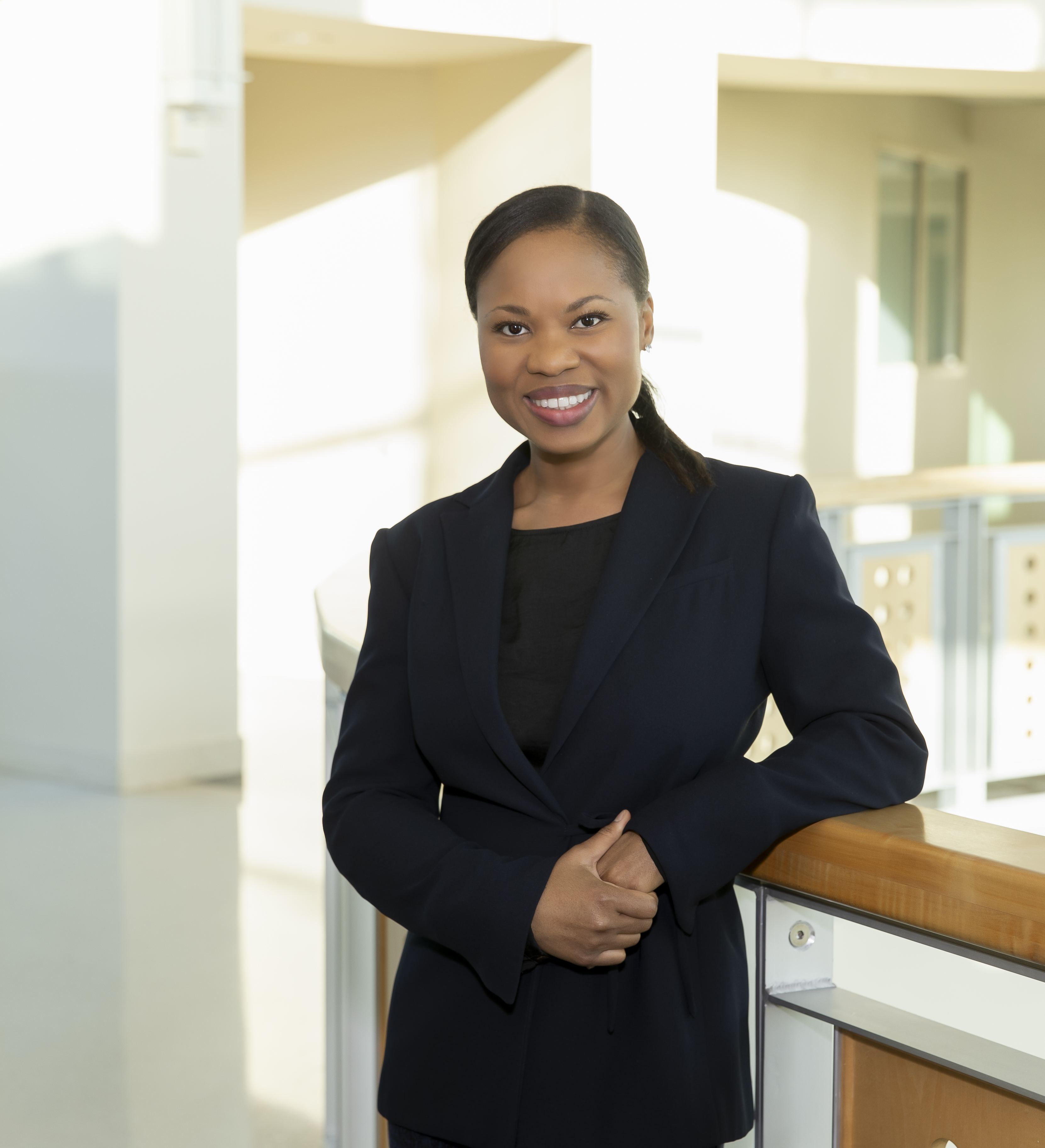
Breanne Levarity
Breanne Levarity is a faculty member in the undergraduate nursing program at the College of Nursing at Florida Atlantic University. Her scholarship focuses on trauma, resilience, holistic nursing, and promoting positive health outcomes among diverse populations, particularly those affected by trauma clusters, or multiple traumas occurring simultaneously or in close succession.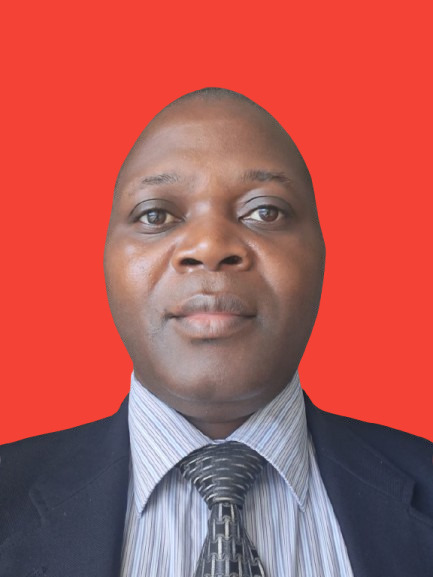
Owen Mtambo
Owen Mtambo is a Postdoctoral Fellow in Data Science at the University of the Virgin Islands (UVI), where he leads and contributes to interdisciplinary research at the intersection of artificial intelligence (AI), machine learning (ML), spatial and spatio-temporal modeling, and biomedical and public health. His work focuses on harnessing the power of AI and data science to address pressing health and educational challenges in geographically isolated and underserved communities, including the U.S. Virgin Islands.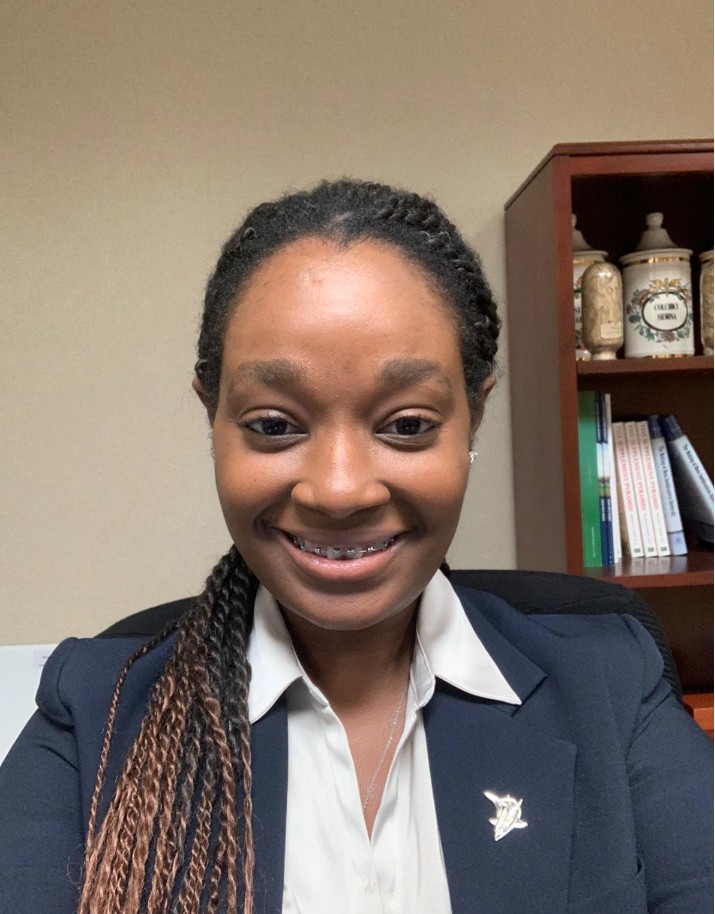
Dion Allen
Dion Allen is a postdoctoral fellow at the University of Miami Miller School of Medicine specializing in HIV prevention, women's health, and implementation science. Her research focuses on improving PrEP awareness and uptake among underserved women through community-engaged, data-driven, and behavioral health approaches.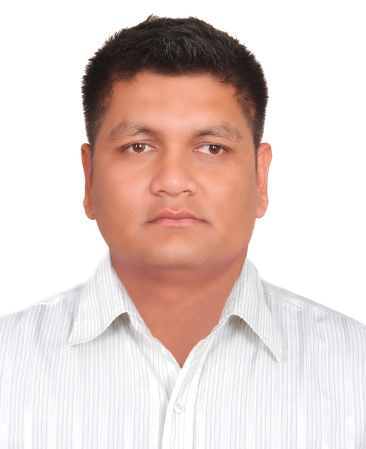
Ganesh Shiwakoti
Ganesh Shiwakoti is a Ph.D. candidate in Mathematics and Statistics at Florida Atlantic University. His research interests include statistical modeling, machine learning, medical AI, and trustworthy data-driven decision-making. He is passionate about applying mathematical and computational methods to improve healthcare and scientific discovery.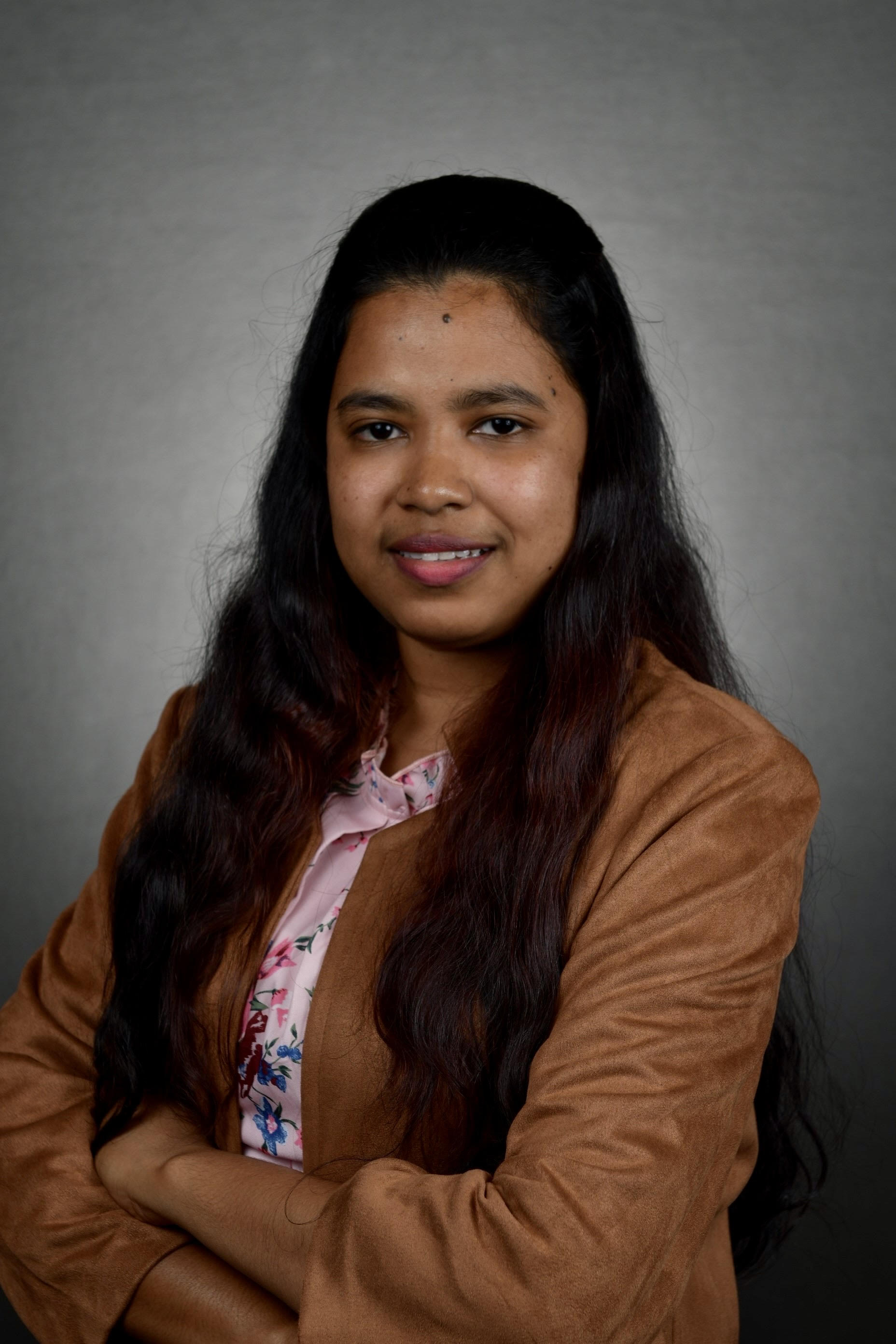
Tania Nachrin
Tania Nachrin is a doctoral candidate in Communication at the University of Maryland. Her research examines how communication shapes marginalized communities’ experiences of illness, healthcare, and inequity. She focuses on immigrant and minority health, health disparities, pandemic and crisis communication, and media representations of health issues in global and cultural contexts.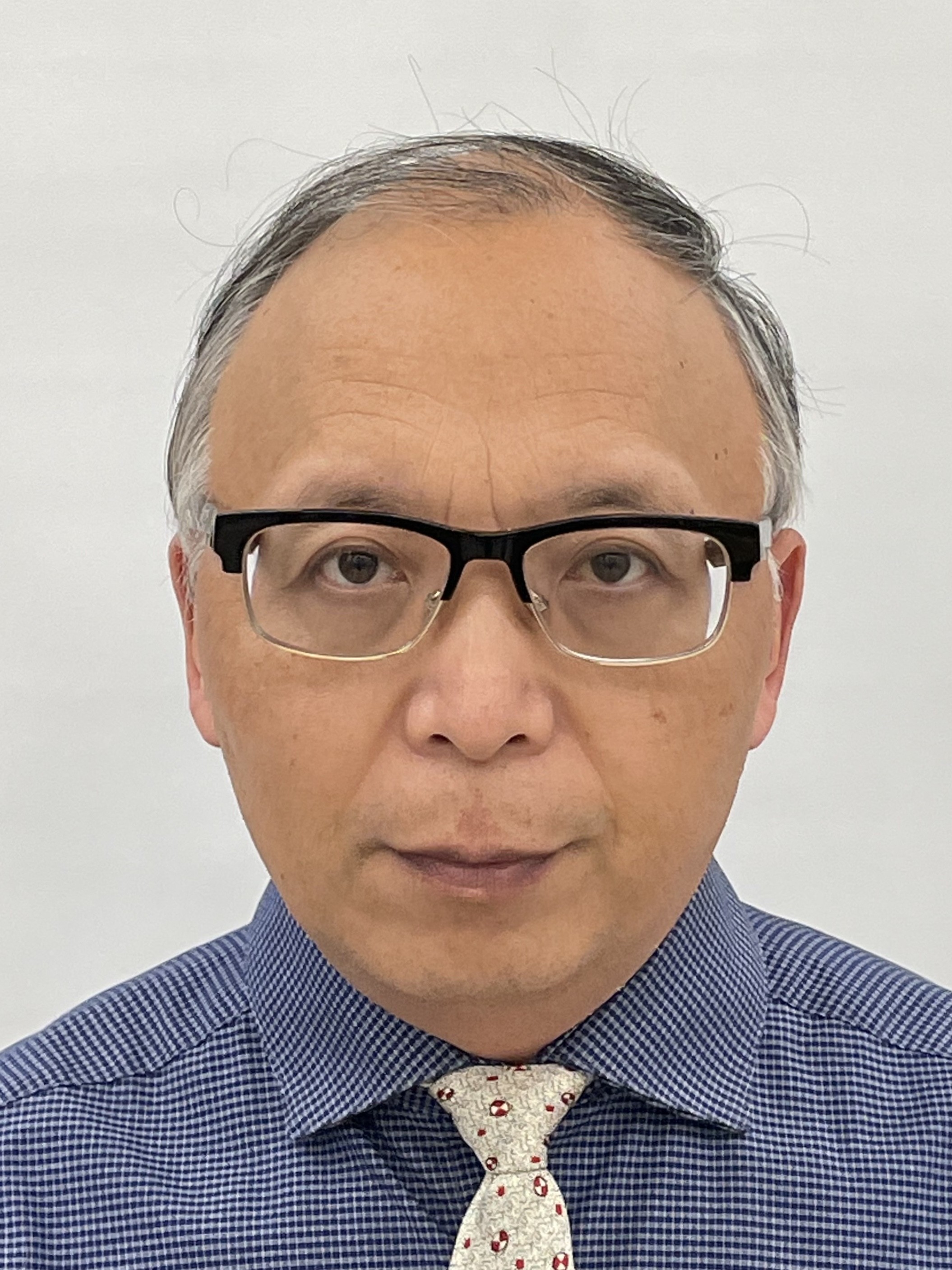
Jianli Niu
Dr. Jianli Niu is Sr. Scientist at Memorial Healthcare System and an affiliated Assistant Professor of Medical Education in the Department of Public Health and Social Science.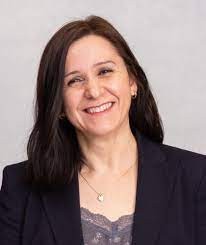
Besa Bauta
Besa H. Bauta, Ph.D., is an Assistant Professor at New York University and a researcher specializing in the ethical implementation of AI in behavioral health. An experienced technology executive, she previously served as a CIO and CDAO, leading large-scale digital transformations and modernization projects.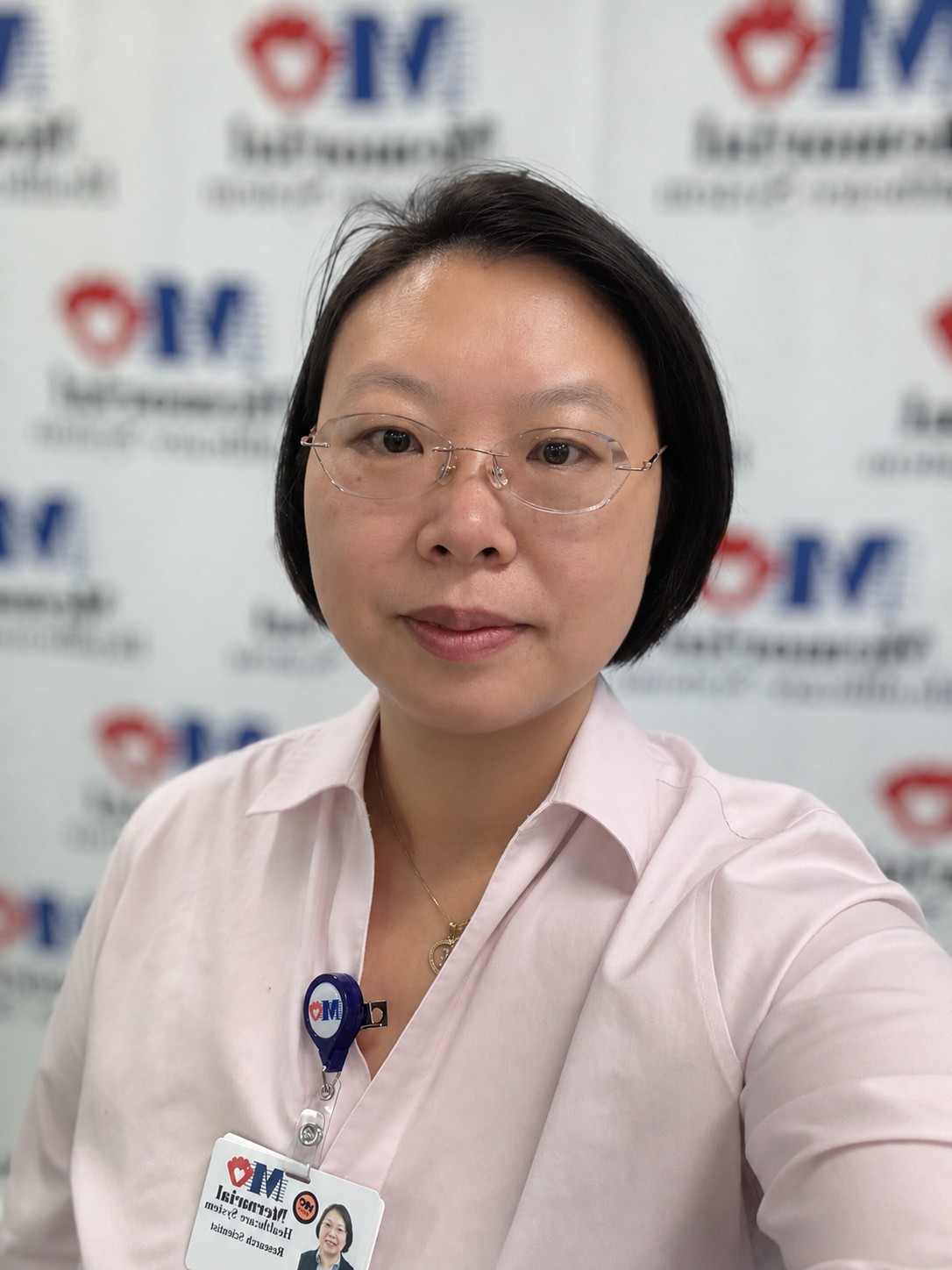
Xiaoqi Sun
Xiaoqi Sun, PhD, is a research scientist and biostatistician at Memorial Healthcare System.Her work focuses on population health, real-world data analysis, and health disparities, with applications in oncology and infectious disease using large-scale EHR and registry datasets.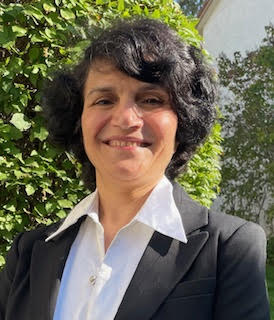
Fatemeh Choupani
Fatemeh Choupani, PhD, RN, is an Assistant Professor at Seattle University College of Nursing and Affiliate Faculty at the University of Washington School of Nursing. Her research focuses on genomic/epigenetic influences on obesity, metabolic diseases, cardiovascular disease, and mental health, alongside health disparities and AI/ML applications in nursing to advance equity.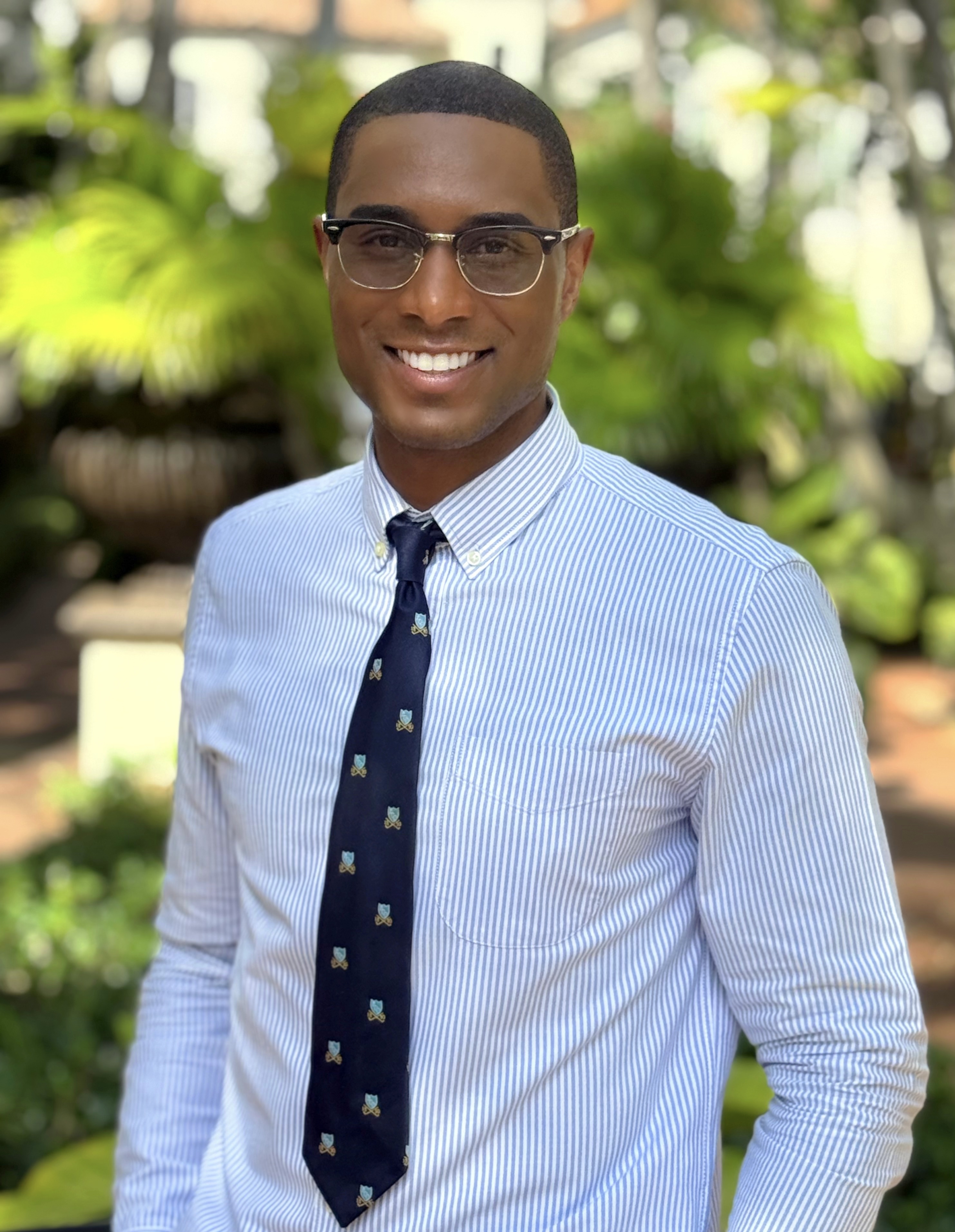
Freeman Lewis
Freeman Lewis is a PhD candidate Training in Environmental Neuroscience Fellow in Environmental Health Sciences at Florida International University’s Robert Stempel College of Public Health and Social Work. His research focuses on computational environmental neurotoxicology and multi-omics integration, with interests in neurotoxic metals, metabolomics, lipidomics, biomarkers, and Parkinsonism.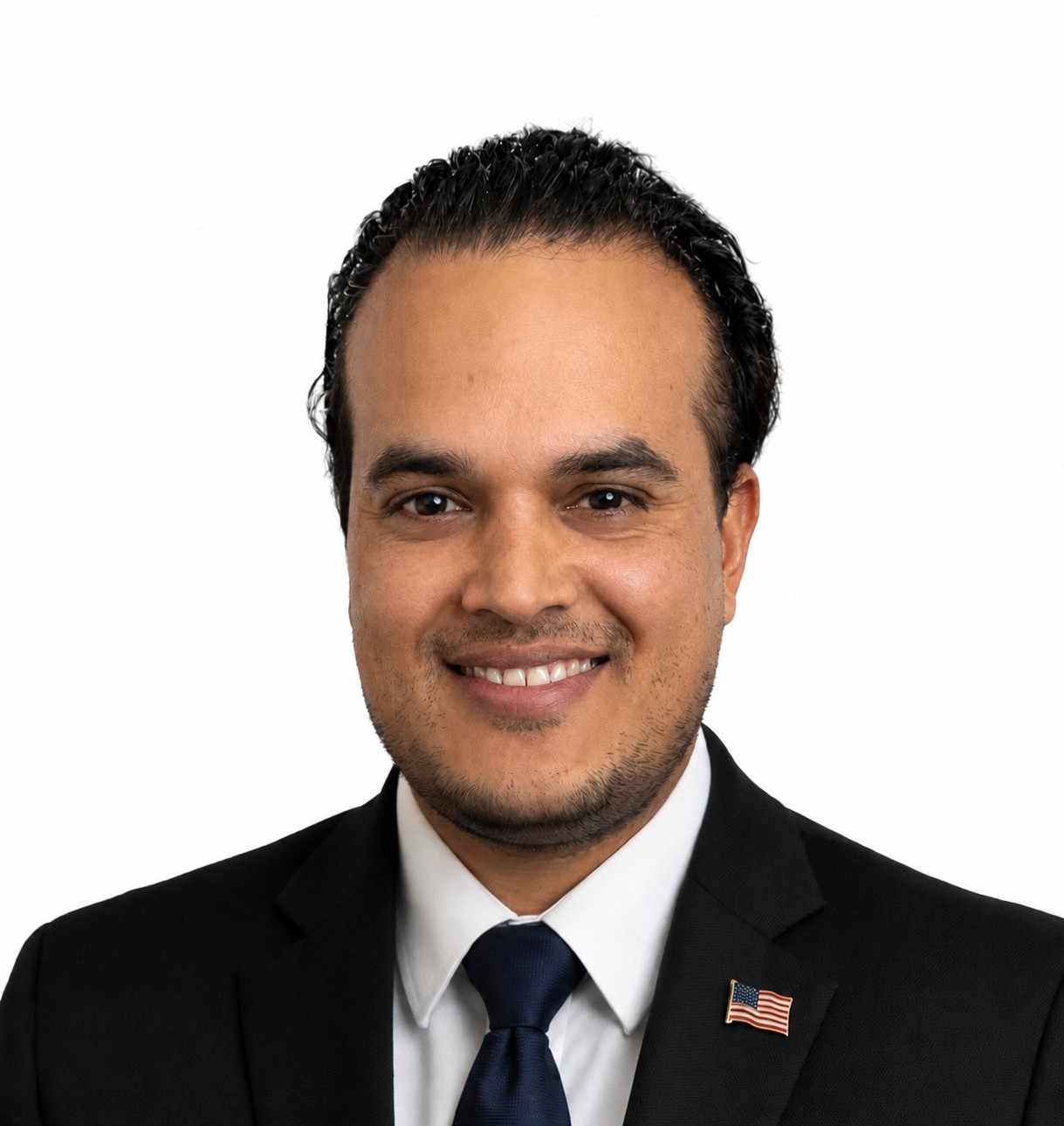
Deepak Bastola
Deepak Bastola is a PhD student in applied mathematics at Florida Atlantic University researching AI, neural networks, and statistical learning. Founder of the Mathematical Association of Nepal, he initiated and led Nepal’s first International Mathematical Olympiad participation (2017–2022), advancing mathematical education, leadership, and AI-oriented research.