People
Faculty
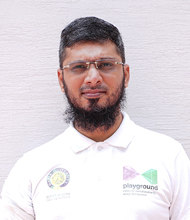
Muhammad Qasim Pasta
Muhammad Qasim Pasta is a Computational Social Scientist specializing in bibliometric extraction, network science, and data science to model collaboration and citation networks, particularly from the Global South. He co-founded Data Research Lab Pakistan, advancing contextual datasets to support evidence-based research and decolonize data production. He also co-leads the Forum for Research on Phenomenon-Oriented Science (FoRPhOS), building open tools and metrics for interdisciplinary research impact. His work bridges quantitative and social scientific methods to reveal patterns of knowledge production.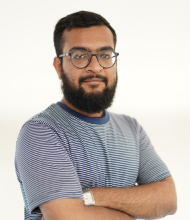
Asad Tariq
Asad is a Dean's Fellow in the department of Computer Science at Habib University. He received his masters in Computational Social Science from the University of California, San Diego as a Fulbright Scholar, and his bachelors in Computer Science from Habib University. His research interests include dynamically evolving human social networks which he studies using agent-based modeling, game theory and computational network graph based simulations.Speakers
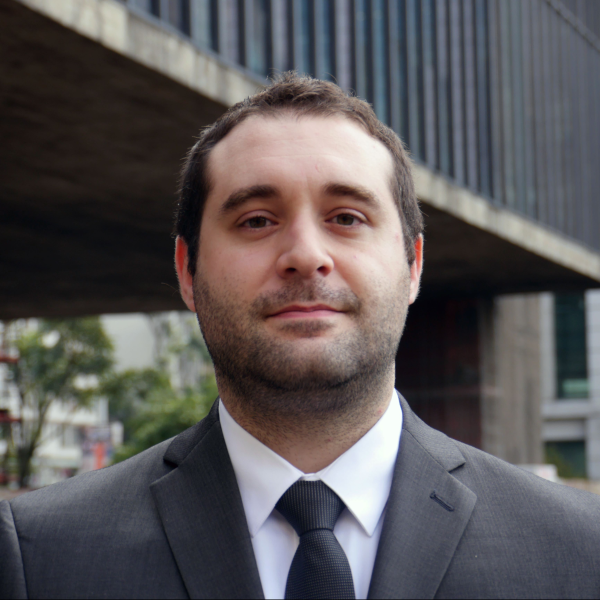
Umberto Mignozzetti
Umberto Mignozzetti is an Assistant Teaching Professor of Political Science and Computational Social Sciences at the University of California, San Diego, where he teaches across the Department of Political Science and the Computational Social Sciences Program. His methodological research develops deep learning approaches that integrate tabular data with non-tabular sources such as images, video, audio, and GIS, and he leads The DeepVerse Lab. His substantive work draws on comparative politics and political economy, with a regional focus on Latin America, to study how developing democracies can improve the provision of public goods, combining formal modeling, field and survey experiments, and elite and popular surveys. His papers have contributed to debates on the nexus between legislature size and welfare, the failures of bottom-up accountability, the effects of elite capture, and elite preferences over climate change mitigation agreements. His work has appeared in the American Journal of Political Science, the British Journal of Political Science, the Journal of Experimental Political Science, Research and Politics, and Global Environmental Politics.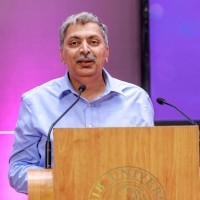
Shah Jamal Alam
Shah Jamal Alam is Professor of Computer Science and Associate Dean for Undergraduate Education at Habib University in Karachi, Pakistan, where he has been a founding faculty member since 2014. His research sits at the intersection of agent-based modeling, social network analysis, and computational social science, with applications spanning infectious disease dynamics, climate adaptation, and political discourse on social media. He completed his PhD at the Centre for Policy Modelling, Manchester Metropolitan University, where his doctoral work modeled the socioeconomic dynamics of HIV/AIDS in rural South Africa. He subsequently held postdoctoral appointments at the University of Michigan School of Public Health, where he worked on NIH-funded agent-based models of HIV risk dynamics and genetic transmission networks, and at the University of Edinburgh School of GeoSciences, where he contributed to EU-funded projects on land-use change and climate adaptation. His work has appeared in journals including Epidemiology, Landscape Ecology, PLOS One, and the Journal of Artificial Societies and Social Simulation, and he serves on the Editorial Board of PLOS Complex Systems. He recently served as Area Co-Chair for the Modelling and Simulation of Societies track at AAMAS 2026, and is a member of the European Social Simulation Association, the Association for Computing Machinery, and the Computational Modeling in Social and Ecological Sciences network.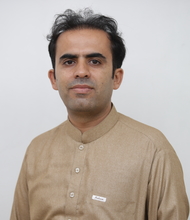
Abdul Samad
Abdul Samad is an Associate Professor of Computer Science at Habib University in Karachi, Pakistan. He completed his PhD at the University of Georgia as a Fulbright scholar, where as part of the RNA-Informatics Lab his doctoral research modeled biomolecular structure prediction using maximum spanning-tree algorithms on backbone graphs. His research interests span machine learning, deep learning, and natural language processing, with a particular focus on the fine-tuning of large language models. His recent work in NLP includes projects on Urdu text generation and genre classification, reflecting a commitment to developing computational tools for South Asian languages and contexts. He has supervised numerous theses and published research across conferences and journals in the field.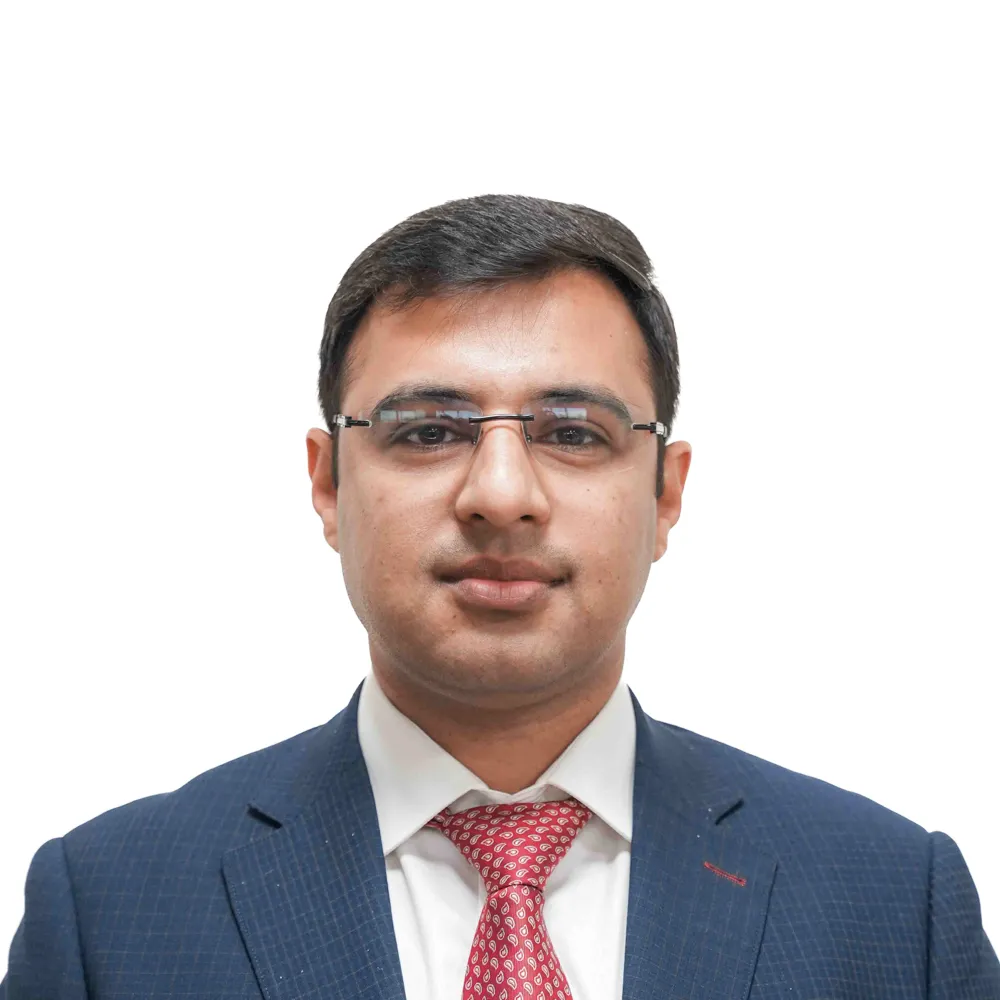
Muhammad Bilal
Dr. Muhammad Bilal (SMIEEE) is an Assistant Professor in the School of Computing at FAST National University of Computer and Emerging Sciences (NUCES), Islamabad. He holds postdoctoral research experience from the University of Florida, USA. His work centers on computational social science with a strong emphasis on social media data analytics. His research includes social and political profiling, mobility behavior analysis, and assessing reviewer network strength on e-commerce platforms. He has further contributed to the study of social computing technologies for Society 5.0, leveraging digital trace data to understand human behavior and societal dynamics. His broader research interests include natural language processing, data mining, machine learning, information processing, social computing, and software engineering. Dr. Bilal is a recipient of Taylor’s Ph.D. Scholarship and a Bronze Medal in his undergraduate studies. He has also been awarded a Faculty Research Support Grant for his project titled 'Detecting Mis/Disinformation and Reducing Information Overload in Social Media Platforms Using Machine Learning.'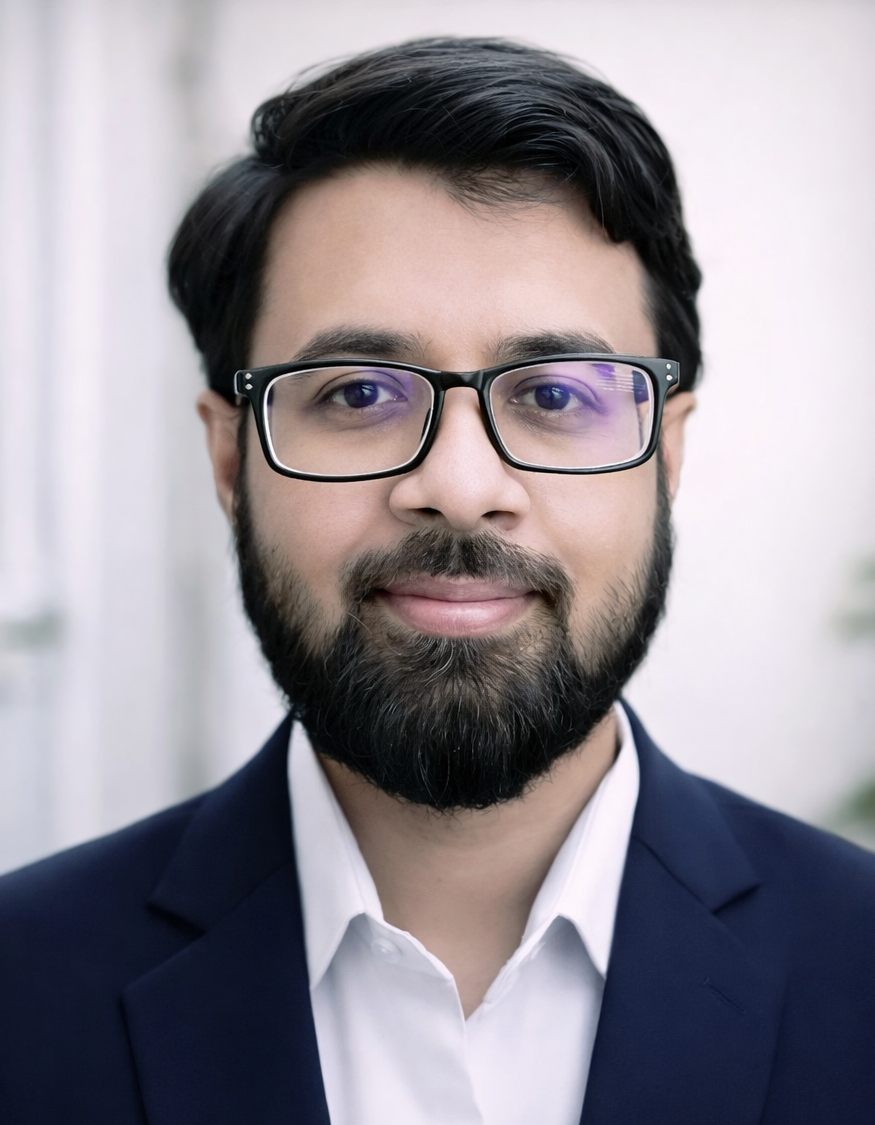
Muhammad Yaseen Khan
Muhammad Yaseen Khan is a Computer Scientist specializing in Natural Language Processing for low-resource languages and affective computing. He currently serves as an Assistant Professor in the Department of Artificial Intelligence and Data Science at FAST-NUCES, Karachi. His research focuses on enabling artificial intelligence systems to better understand human language, emotions, and behaviour, with particular emphasis on multilingual and underrepresented linguistic communities. Beyond academia, he brings industry experience from leadership and technical roles at Tyler Technologies (in collaboration with Microsoft), Alibaba Group, and Alexa Translations, where he has contributed to large-scale machine learning, data science, and software engineering initiatives.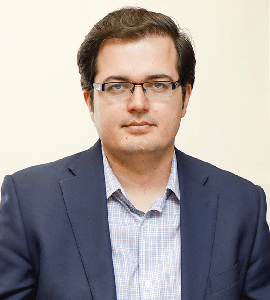
Ihsan Ayyub Qazi
Dr. Ihsan Ayyub Qazi is a Professor of Computer Science at the Lahore University of Management Sciences (LUMS), where he co-leads two of Pakistan's most ambitious research initiatives: the National Center in Big Data & Cloud Computing and the National AI Hub. He also serves as the Director of LUMS’s Digital Health program and its online learning platform, LUMSx. He holds a Ph.D. from the University of Pittsburgh and has held research appointments at the University of California, Berkeley and institutions in Australia and Germany. His research sits at the intersection of clinical AI and digital health, information integrity, and trustworthy AI systems. He has published in top-tier venues spanning computer science, economics, and medicine including ACL, ACM SIGCOMM, CHI, Nature Health, the New England Journal of Medicine (NEJM) AI, and the Journal of Development Economics. His work has been supported by the World Bank Group, the Gates Foundation, a Google Faculty Research Award, and multiple Meta Integrity Research Awards. He has also been recognized with teaching and alumni achievement honors from LUMS and the University of Pittsburgh.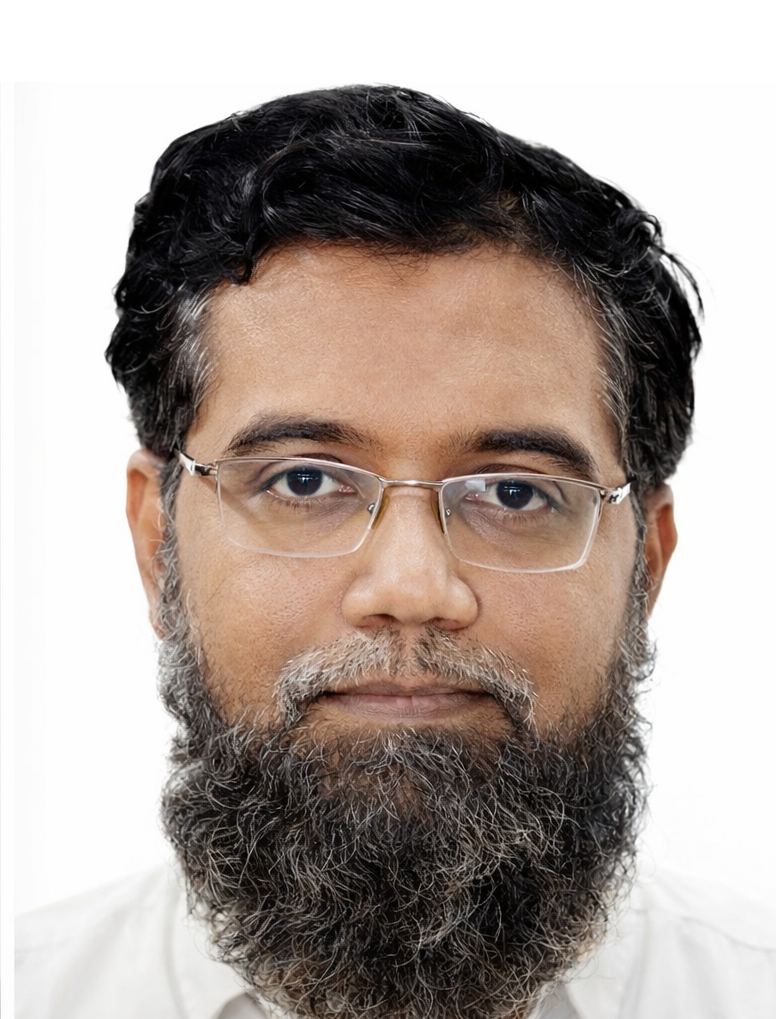
Tafseer Ahmed Khan
Dr. Tafseer Ahmed is professor at Mohammad Ali Jinnah University, Karachi. He is a computational linguist with over 25 years of experience in academia and industry. He received his PhD from the University of the University of Konstanz (Germany). His work bridges classical linguistic theory and modern machine learning, with a particular focus on South Asian languages and multilingual natural language processing (NLP). He has held academic roles at major universities in Pakistan , and contributed to industry. He has collaborated on international research projects, including with the University of Colorado and a DAAD-funded initiative, and has delivered talks at venues such as Yale University and ESSLLI.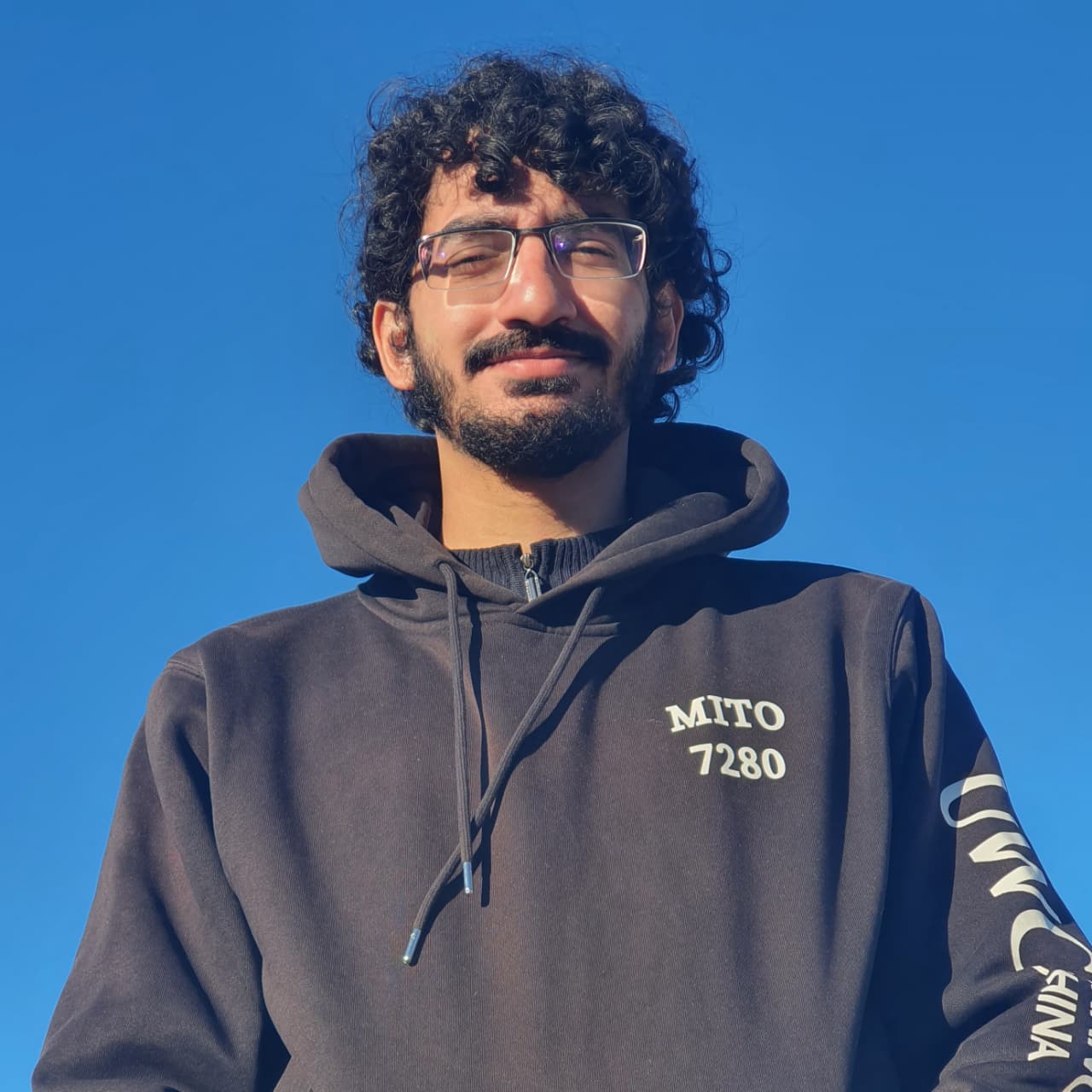
Zain Ahmed Usmani
Zain Ahmed Usmani is a researcher whose work sits at the intersection of computational social science, agent-based modeling, and AI. He holds a B.S. in Computer Science from Habib University, with experience across data science, social simulation, reinforcement learning, and sustainability. His research applies agent-based models to complex social systems, with a focus on equity and water distribution — including an ongoing ABM project on Karachi in collaboration with Tufts University. He is passionate about interdisciplinary research and empowering others through teaching.
Rabeea Jaffari
Dr. Rabeea Jaffari is an Assistant Professor in the Software Engineering Department at Mehran University of Engineering and Technology, Pakistan, where her research spans artificial intelligence, computer vision, and deep networks with a focus on sustainable development and interdisciplinary applications. She holds B.E., M.E., and Ph.D. degrees in Software Engineering and Information Technology (AI), has authored 28+ publications in high-impact journals, and has won multiple national and international hackathon competitions. Selected as a TechWomen Emerging Leader (2024), she represented Pakistan in Silicon Valley and led Team Pakistan to win the TechWomen seed grant for Dhaani, an AI-powered platform empowering female artisans through digital marketing and e-commerce, competing against teams from 25 countries. Her research has been presented at the International Centre of Theoretical Physics (ICTP), Italy, and the Technical University of Munich (TUM), Germany, and her future goals include contributing to AI policy and governance.Teaching Assistants
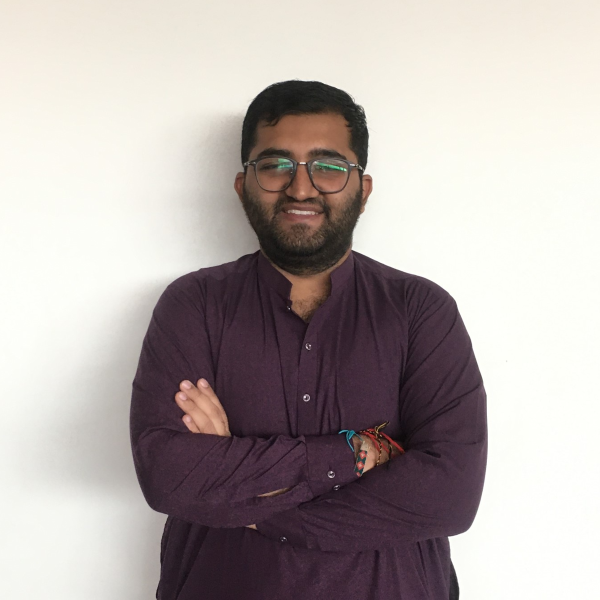
Sandesh Kumar
Sandesh Kumar is a senior researcher at Habib University. He graduated from Habib University with Bachelors in Computer Science with AI Specialization. Since then he has been working in the field of AI, constantly upgrading himself, mentoring students and working on various research projects. He has publications in various esteemed local and international conferences including ACL. He is not just limited to AI. During his undergrad he had huge interest in interdisciplinary work so he took various courses from school of Arts Humanities and Social Sciences. He also served as President of Computer Science and Engineering Club, Treasurer of Student Government and Treasurer of AI Club during his undergrad. Right now, he is working in the medical and linguistics domains combination with AI.Participants
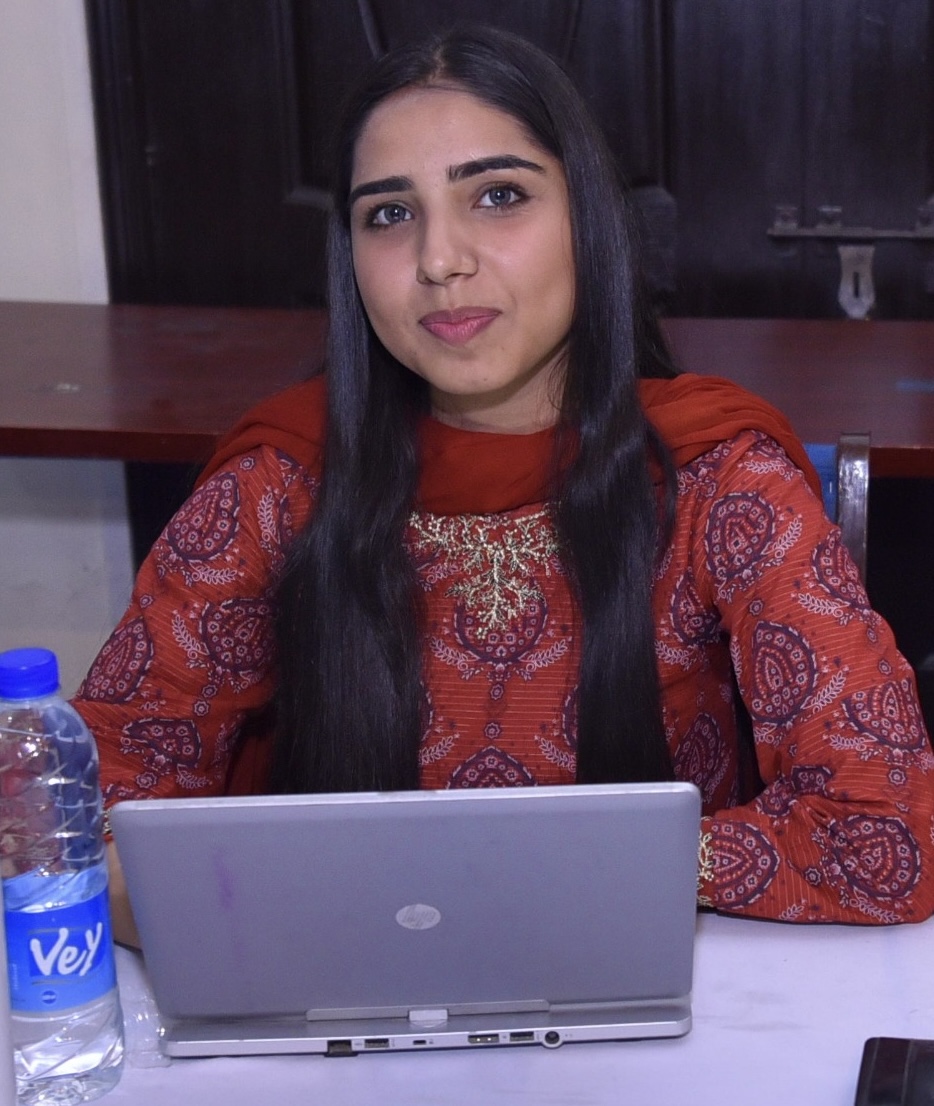
Muskan
Muskan is a recent Linguistics graduate from Bahria University, Karachi, and a Global UGRAD Program alumna. Her research explores the intersection of language, society, and computation, with a focus on how language reflects social distinctions in Pakistan. Her independent study on menu language and social class in Karachi was accepted at ICLAP, and she went on to complete a thesis in computational linguistics — the first undergraduate research of its kind at Bahria University. At SICSS, she aims to apply computational approaches to digital trace data to study language and social meaning in Pakistani society, and to contribute to open Pakistani datasets for computational social science.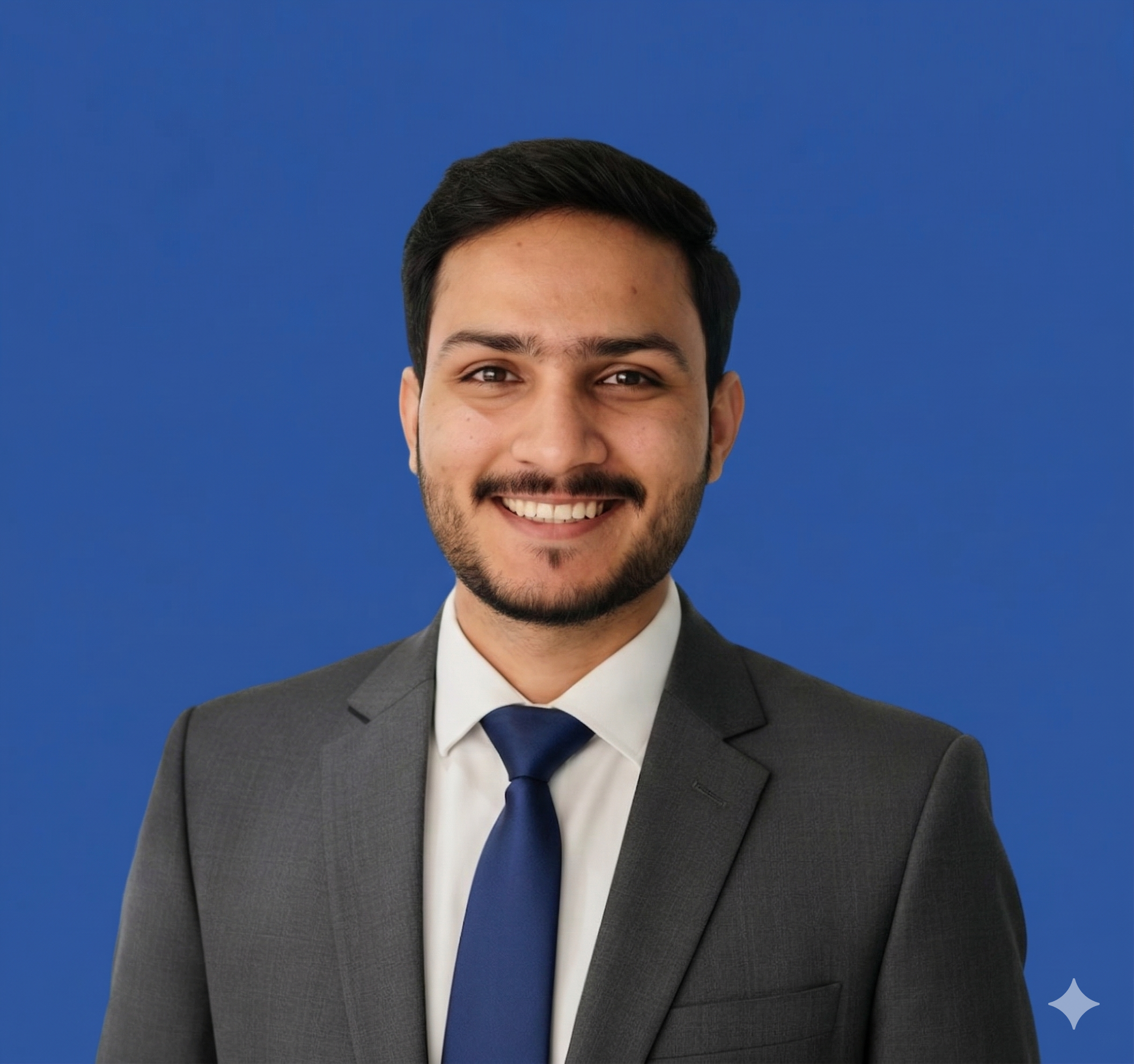
Muhammad Saleem
Muhammad Saleem is an Assistant Manager – Technology for Education at The Citizens Foundation (TCF), Pakistan, where he leads the implementation of digital learning programs in underserved school communities, with experience spanning facilitator development, classroom technology integration, and learning analytics. His research sits at the intersection of AI, education, and computational social science, examining how AI-enabled educational technologies can support learning without inducing harmful cognitive offloading — particularly among secondary school students in mathematics classrooms. A central focus of his work is building reproducible datasets from low- and middle-income country contexts to inform the design of responsible AI tutoring systems and evidence-based educational practices.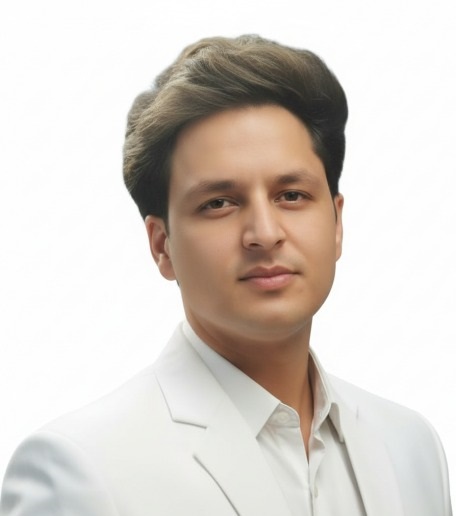
Naeem Hussain
Naeem Hussain is an MPhil researcher in Government and Public Policy at National Defence University, Islamabad, studying why Pakistan's climate commitments fail at implementation, with a focus on climate governance fragmentation in Gilgit-Baltistan through policy analysis, institutional mapping, and stakeholder interviews. His interests lie at the intersection of computational methods and governance analysis — text analysis, network mapping, and geospatial tools applied to climate policy and water security in South Asia. He is building the Climate and Security Research Institute South Asia, an independent think-do tank, and has published three peer-reviewed papers, including on the Indus River system and glacial lake outburst floods. He is a Green Narrative Fellow, McKinsey Forward Programme participant, and UNU Hub-certified climate action fellow. He joins SICSS-Habib to build the computational skills needed to strengthen evidence-based climate governance research in Pakistan.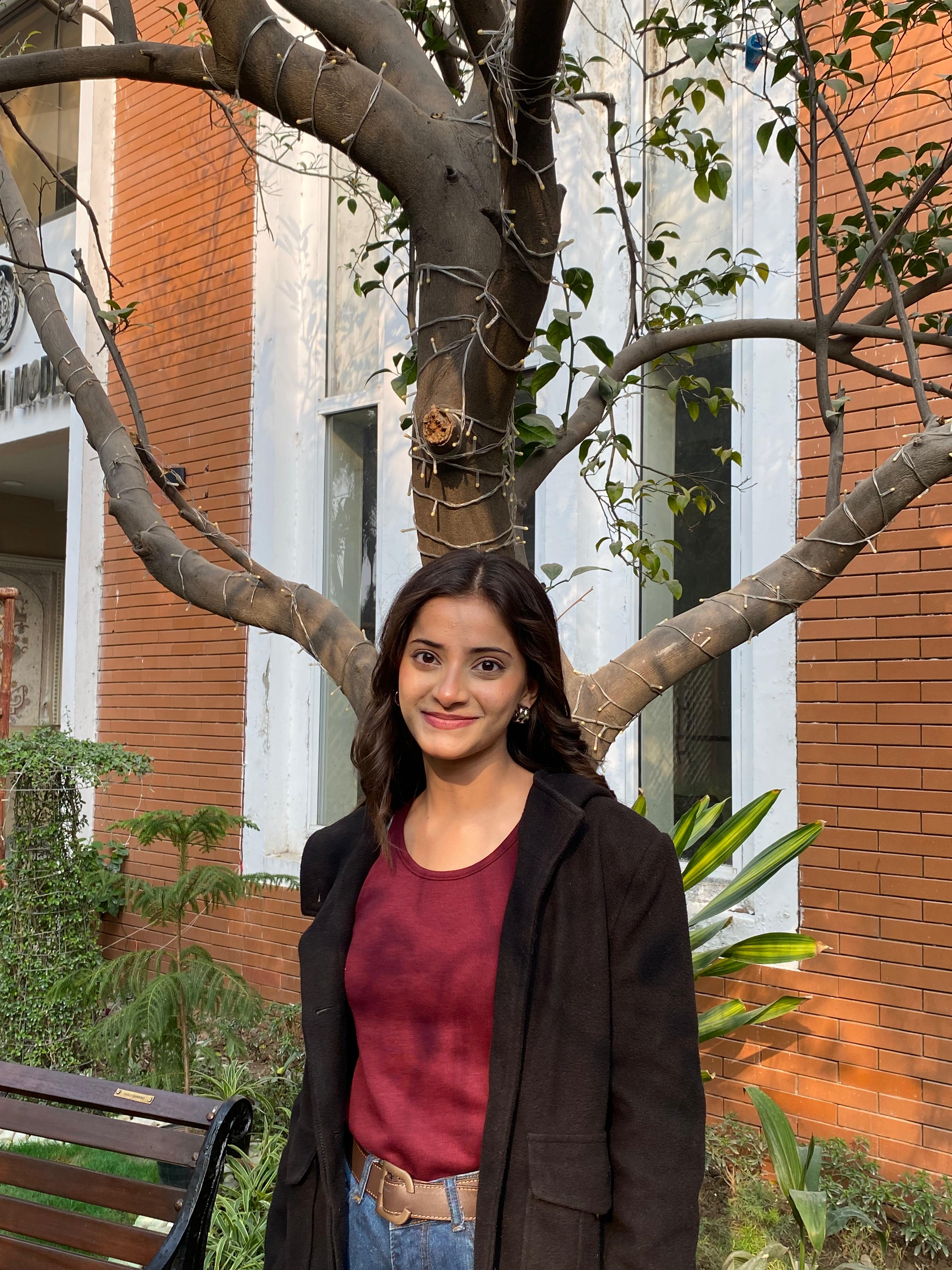
Noor Fatimah
Noor Fatimah is a Sociology and Cultural Studies student with strong interests in research, social development, and public policy. Her work focuses on questions surrounding inequality, gender, religion, education, and marginalized communities in South Asia, approached through a critical and interdisciplinary lens. She is particularly interested in qualitative research and the ways in which culture, identity, and power shape everyday social realities. Alongside her academic pursuits, Noor has actively contributed to student leadership and intellectual engagement through organizing cultural and research-oriented initiatives, discussions, and events. Her interests extend to global development and international organizations working toward meaningful social impact. Combining analytical thinking with creativity and leadership, she aspires to contribute to research and policy spaces that challenge dominant narratives and encourage more inclusive and socially conscious futures.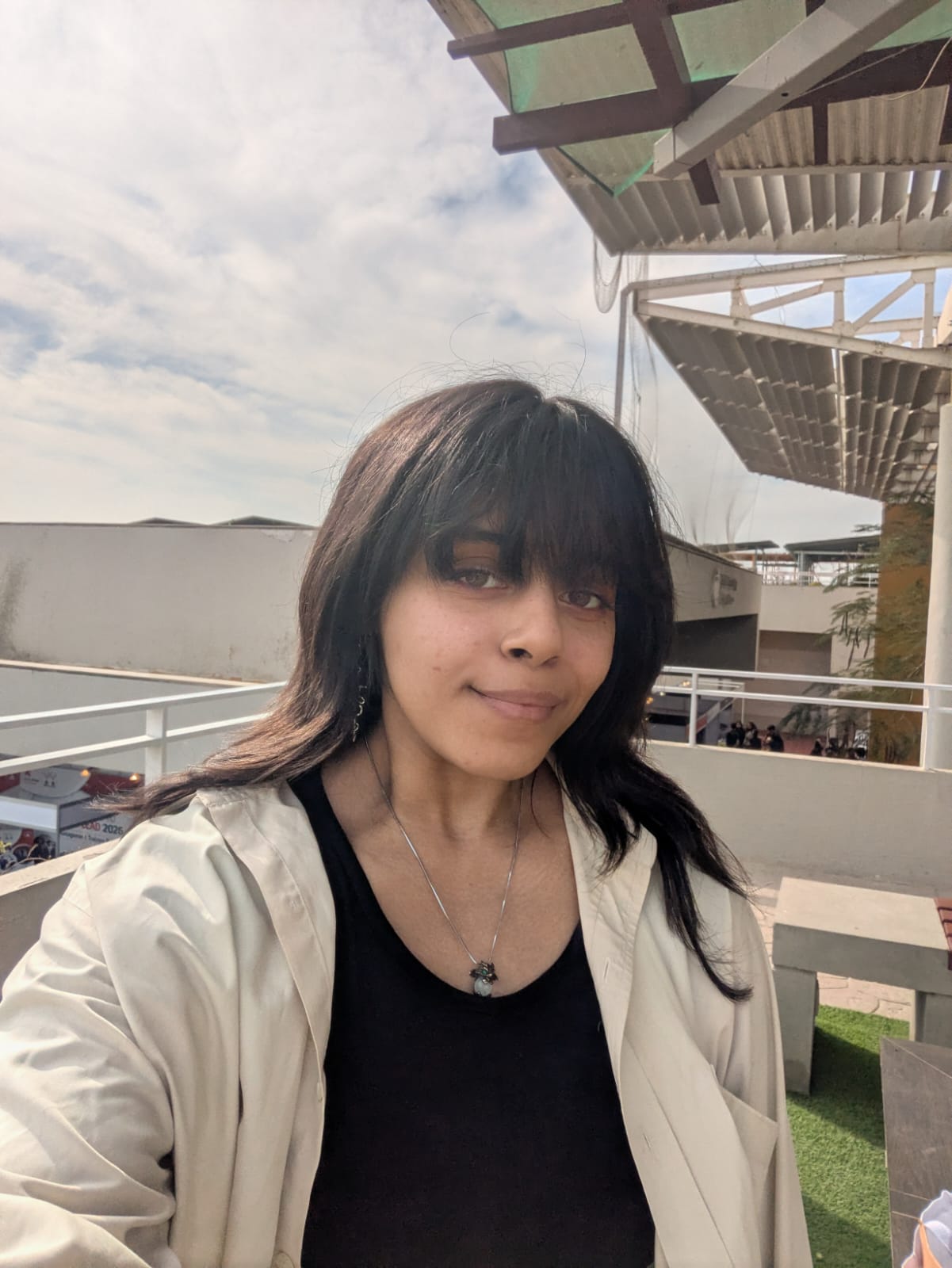
Wajeha Khan
Passionate about creating an impact, Wajeha substantially enjoy various disciplines such as history, literature, and philosophy. Following the culmination of my bachelors in Communication and Design from Habib University, I have been on the quest for meaning through experimenting with different fields that have the potential to be a catalyst for positive change by invoking deeper empathy. This is also what inspired my thesis research, 'Mindscapes,' which elaborated upon the boundless intricacies of the human psyche by touching upon different levels of reality or subjectivity through the medium of both traditional art and storytelling. Since then, I have been preoccupied with pressing social concerns and revisited some of my previous research work, particularly relating to animal rights and wellbeing within the scope of our country. I am a writer at heart who wishes to surpass the boundaries and limitations of conventional thinking by making my work as comprehensive as possible, which has motivated me to pursue this program. I aim to build a foundation for my qualitative research and relevant social theory through advancing my understanding of computational methods, ensuring the execution of necessary intervention within Pakistan.
Amna Umer
Amna Umer is a Lecturer in Computer Science at UIT University, with over six years of teaching experience and a focus on student-centered, active learning approaches. She holds a Bachelor's in Computer Science from COMSATS and an MS in Information and System Technology from Quaid-i-Azam University. Her research explores the application of AI in programming education, student learning behavior, and AI-inclusive pedagogical techniques. She is currently examining how AI-assisted tools influence student confidence and engagement in computing courses. She also serves as Treasurer of IEEE Women in Engineering Karachi Section and Content and Media Manager for IEEE HTA Region 10 and is active in talks on women's empowerment and humanitarian technology.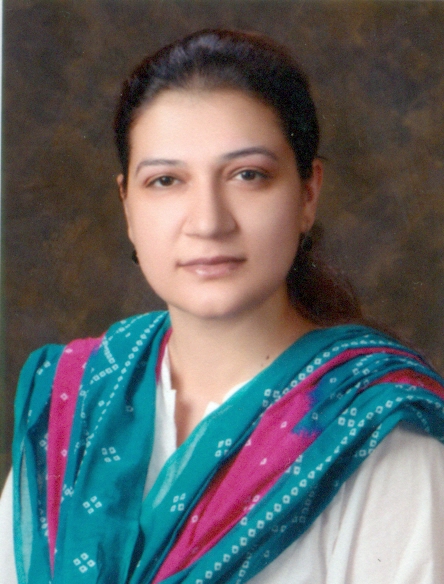
Amrat Haq
Dr. Amrat Haq is currently serving as Assistant Professor at the Department of Media and Communications Studies, International Islamic University, Islamabad. She has previously served as the Chair for the Department, as well as In-charge Programs for the Faculty of Social Sciences, IIUI. She completed her Doctoral Thesis in 2017 from the School of Communication, Hong Kong Baptist University, HK, studying the desensitizing effects of news violence on audiences in Pakistan. Her primary research interest remains political communication, including studies on political polarization, disinformation, audience trust, social media echo chambers, and the experiences of female politicians online in Pakistan. She has published numerous research papers and has presented her work at both national and international conferences. She is currently expanding her research interests to explore and understand the role of generative AI in both journalism and political communication.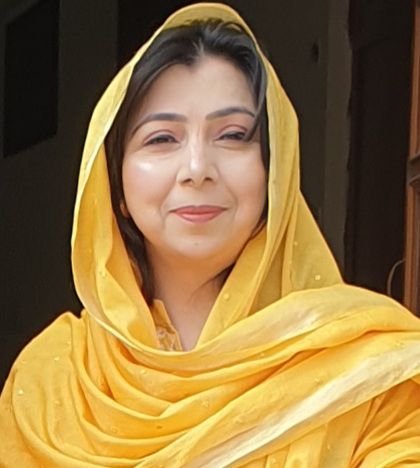
Ayesha Ashraf
Dr. Ayesha is an Assistant Professor of Economics at The Women University Multan, holding a PhD in Economics from Germany and over eight years of experience teaching and conducting policy research across Pakistan. Her research interests span Macroeconomics, International Trade, Environmental Economics, and Public Sector Economics, while her research interests cover International Economics, FDI, Development Economics, Women Empowerment, and Computational Social Science. She has published over 30 refereed articles in international journals and managed numerous government-commissioned and externally funded research projects. She is particularly interested in interdisciplinary collaborations integrating Economics, Data Science, and Computational Social Science to address complex policy and development challenges.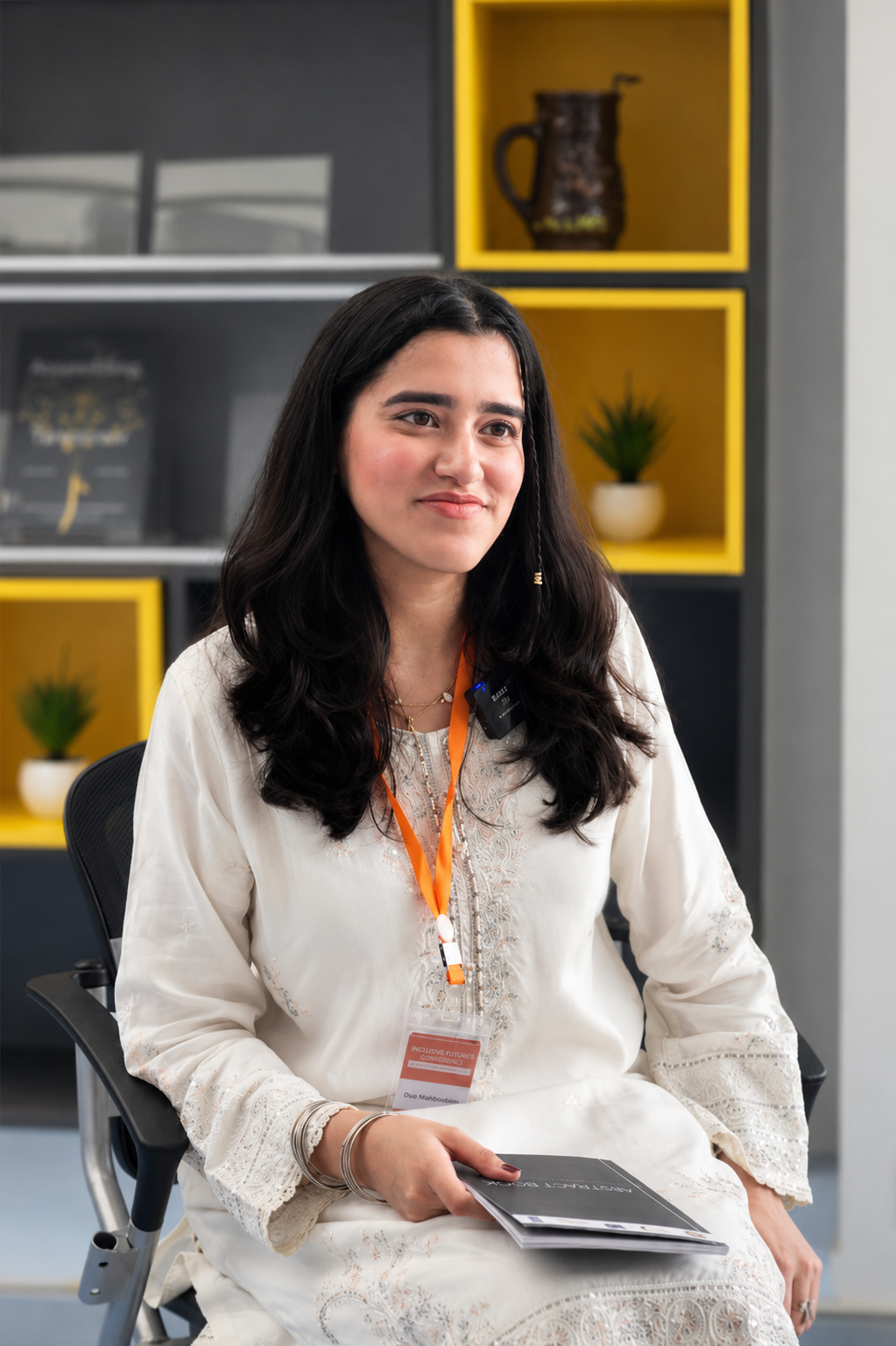
Dua Mohstashim
Currently working as a Product Associate, Dua is actively involved in the development of scalable digital health platforms impacting frontline workers and maternal health outcomes across Pakistan. She holds a BSc.(Hons) in Social Development and Policy from Habib University where she worked on multiple academic projects in education, policymaking, urban development, and political science. Broadly, she is interested in how decisions around urban infrastructure — housing, transit, and public space — determine health outcomes for cities and communities at large. Apart from her academic pursuits, Dua volunteers for Karachi Bachao Tehreek (KBT), a growing movement of demolition-impacted communities and their allies in the city. As a push back against academia's epistemic gatekeeping, she sees SICSS as a chance to build open-source datasets that give Pakistan's research community real access to its own knowledge.
Maryam Mansoor
Maryam Mansoor is a Computer Science educator and aspiring interdisciplinary researcher, holding a BS in Software Engineering from the University of Sindh, Jamshoro, and an MS in Computer Science and Information Technology from NED University, Karachi. A teacher by profession and researcher by passion, she has co-authored two published research papers, with academic interests spanning NLP, Machine Learning, Computer Vision, and AI. She is particularly interested in exploring how emerging AI technologies can address real-world challenges and create social impact. Through SICSS, she has found a new pathway to engage with social science through computational methods, and she is eager to deepen this work through future research bridging technology and society.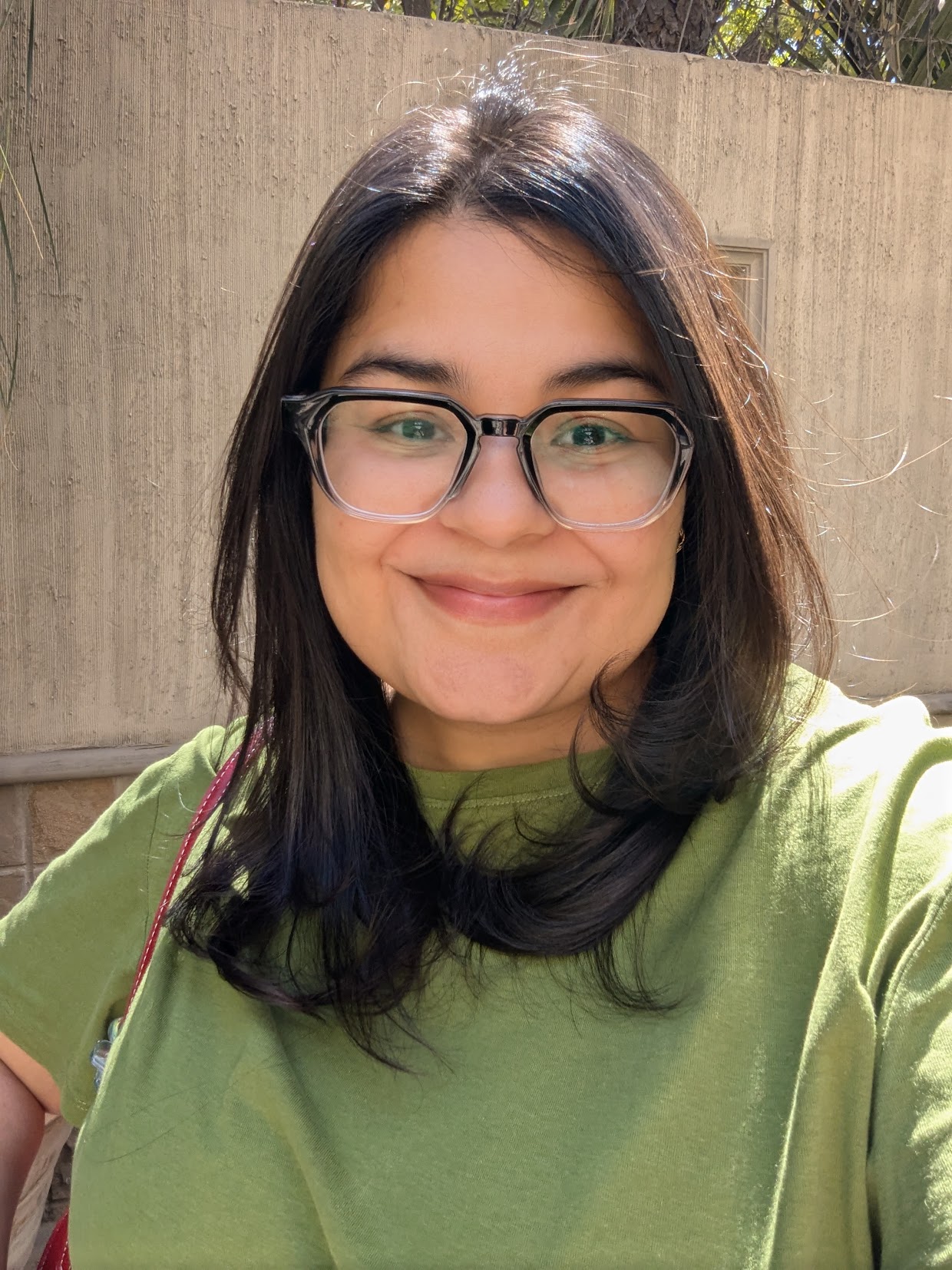
Fatin Nawaz
Fatin Nawaz is a product design strategist working at the intersection of user experience, systems thinking, and digital product strategy. She is currently at Raqami Islamic Digital Bank, Pakistan's first fully digital Islamic bank, where she designs financial experiences across onboarding, payments, and behavioral product design. With a background in Computer Science from Habib University and a career spent in the messy, beautiful world of fintech, Fatin has built a practice that moves between qualitative research and quantitative product analytics. She works closely with behavioral data; using tools like GA4 and Mixpanel to study how users move through the products she has designed, and is increasingly interested in the gaps that dashboard-level analysis leaves behind. Alongside her industry work, Fatin teaches Interaction Design at the Indus Valley School of Art and Architecture, where she has seen firsthand how the absence of computational fluency limits the questions designers and researchers can ask about the world. At SICSS, she hopes to fill her own computational gaps, particularly in automated text analysis, data scraping, and digital experiments. She is most interested in applying these methods to questions about financial behaviour and inclusion in Pakistan, especially among communities that move money entirely outside formal banking systems.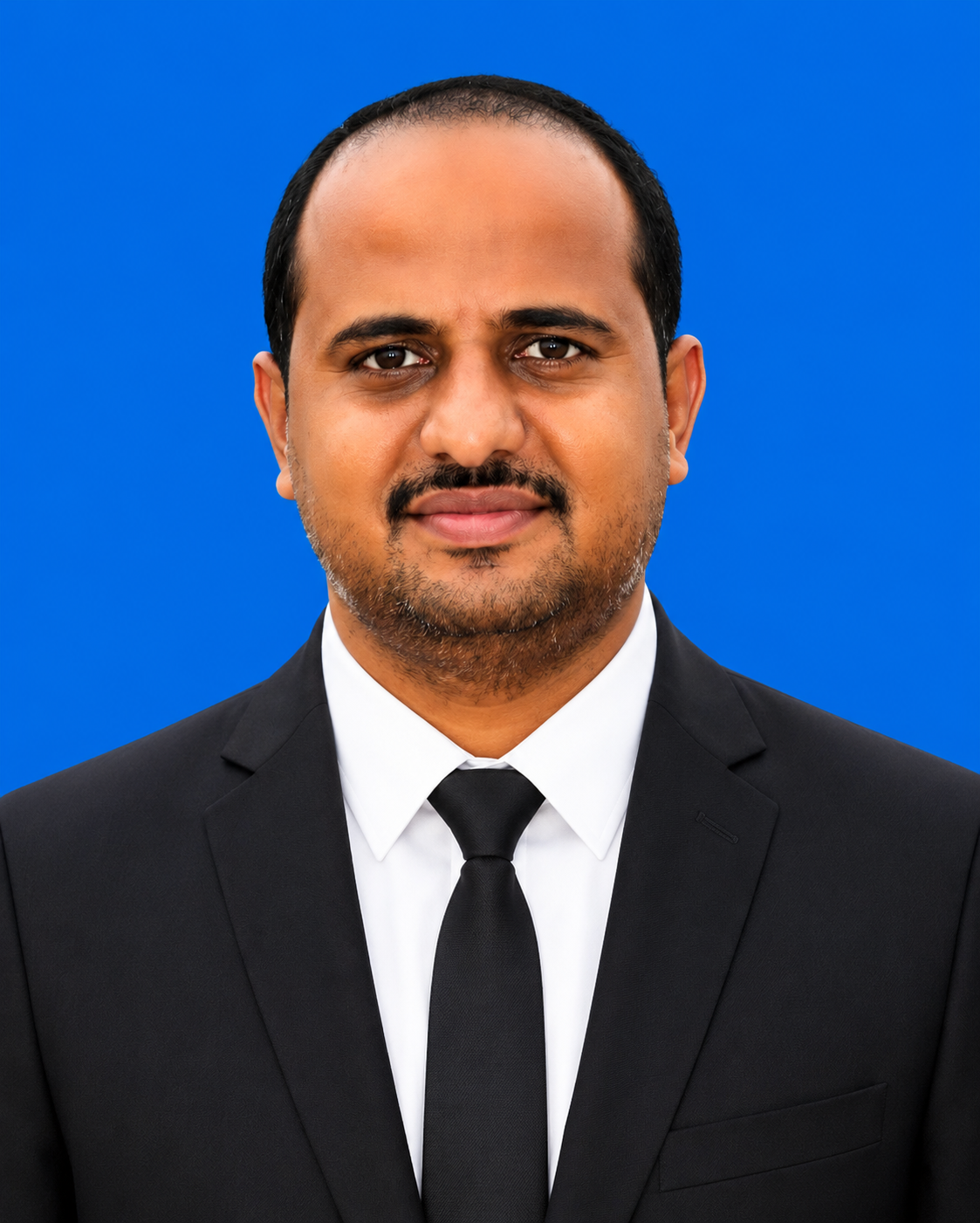
Mushtaque Ahmed Rahu
Dr. Mushtaque Ahmed Rahu is an accomplished researcher in the field of Electronic Engineering with a strong specialization in Internet of Things (IoT) and Machine Learning. He earned his B.E., M.E., and PhD degrees in Electronic Engineering from Quaid-e-Awam University of Engineering, Science and Technology Nawab Shah. His research interests include Wireless Sensor Networks (WSN), IoT, Machine Learning, Smart Agriculture, and Artificial Intelligence in Education. He is also actively engaged in programming and data analysis using R. Dr. Rahu has an impressive research portfolio with 31 publications in reputed journals, 5 conference papers, and one book chapter to his credit. Beyond academia, Dr. Rahu has contributed extensively to public awareness and educational discourse through 65 published articles in various English newspapers. He regularly participates in continuous professional development activities, including Pakistan Engineering Council Continuous Professional Development (CPD) workshops, and up-to-date knowledge-based trainings and workshops to further enhance his technical and research skills. He has professional memberships in his area interested fields.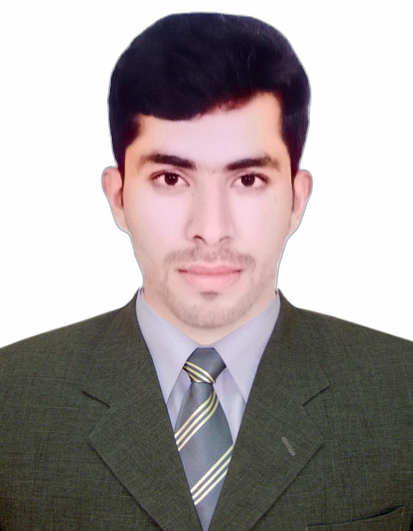
Sarfaraz Ali
Sarfaraz Ali is a Pakistani academic and interdisciplinary researcher working at the intersection of social sciences, applied linguistics, and English language education. He is pursuing a fully funded PhD in Social Sciences, focusing on digital media, language, and education in multilingual societies. He holds a Master's in Applied Linguistics from Universitas Diponegoro, Indonesia, and currently serves as Lecturer in English at IBA, Sukkur, and Course Leader for the EaSTE II teacher development program. He has taught at several institutions across Pakistan, including NUML, Begum Nusrat Bhutto Women University Sukkur, and IBA Community College Khairpur, with experience spanning linguistics, TESOL, and academic writing. His research interests include computational social science, sociolinguistics, intercultural communication, and digital pedagogy, and he has published on phonology, semantics, and multilingual language acquisition. He was selected for the U.S. Department of State-sponsored TEA Program at the University of Nebraska Omaha, alongside several fully funded international certifications. At SICSS-Habib 2026, he aims to deepen his engagement with computational methodologies in education and language research.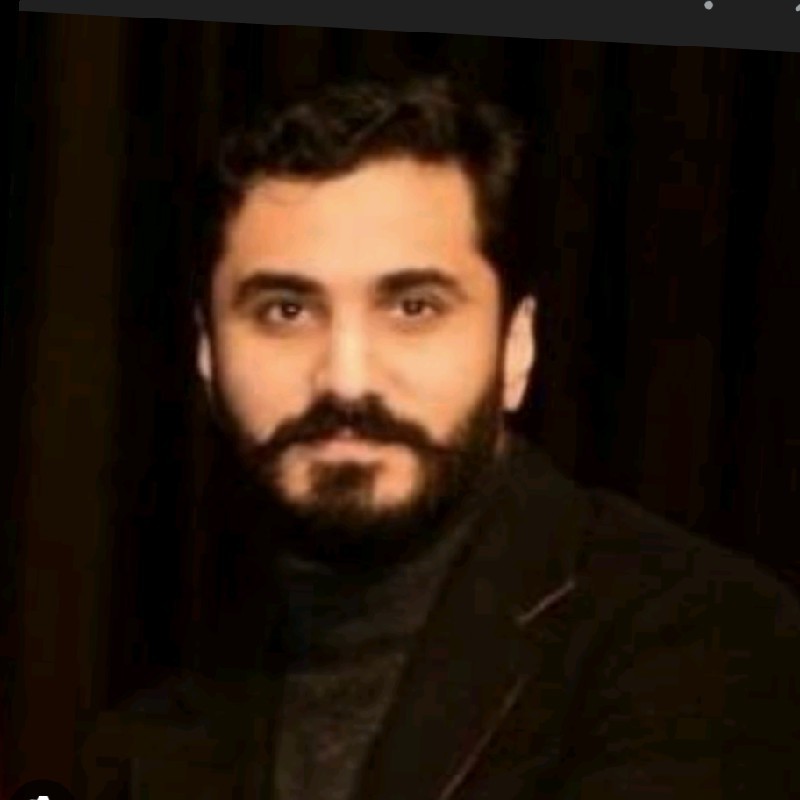
Sarmad Wali Khan
Sarmad Wali Khan teaches Political Science at Government College Balakot, a remote institution in Khyber Pakhtunkhwa, where he brings both scholarly rigor and policy experience to students in underserved regions. His recently completed M.Phil from Government College University Lahore examined how populism shapes democratization in hybrid regimes, with Pakistan as a critical case. Fluent in Urdu, Pashto, Hindko, and English, he works at the intersection of qualitative and computational approaches - particularly interested in how manual discourse analysis can be validated and scaled through computational tools. His broader research agenda spans populism, political communication across South Asia, and the politics of representation. At SICSS Habib, he seeks to build technical capacity in text analysis that will deepen and extend the qualitative work that anchors his scholarship.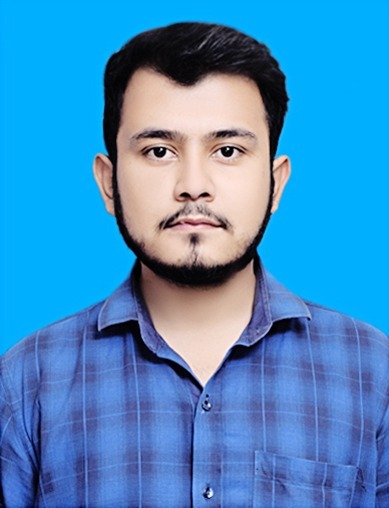
Shahbaz Noor
Shahbaz Noor is an MS Data Science candidate at Muhammad Ali Jinnah University (MAJU), Karachi, originally from Khaplu in Gilgit-Baltistan. His thesis focuses on building the first open-source English-to-Balti neural machine translation system — a pioneering effort for an endangered Sino-Tibetan language with virtually no prior digital language resources. His system combines a fine-tuned MarianMT model with a FAISS-based RAG pipeline, drawing on a parallel corpus that is being actively expanded as data cleaning progresses. His broader research interests lie at the intersection of computational linguistics, low-resource NLP, and digital language preservation, with a focus on supporting endangered languages historically excluded from mainstream AI development. At SICSS-Habib 2026, he hopes to bring these concerns into dialogue with computational social science methods.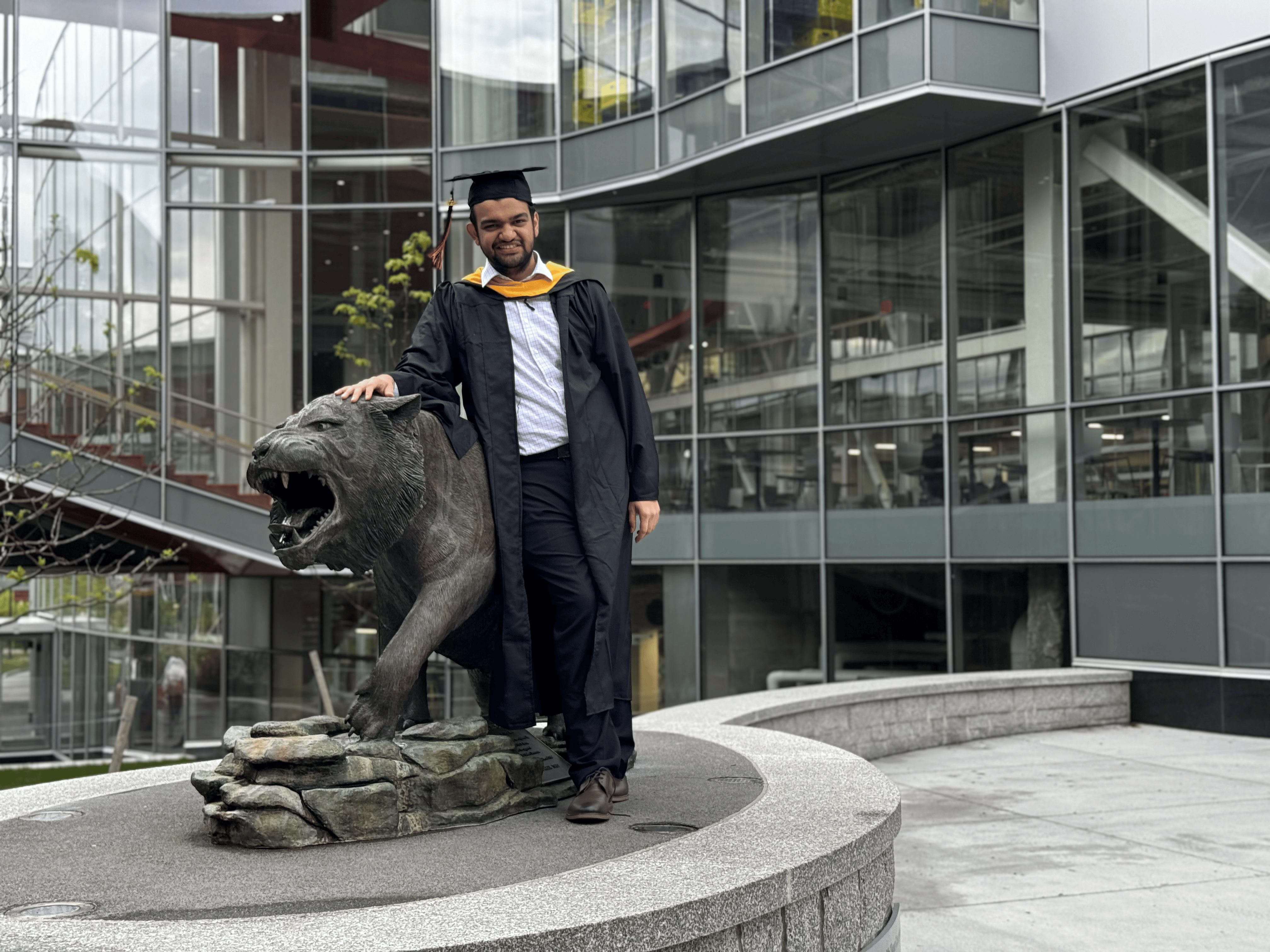
Sualeh Ali
A graduate of Rochester Institute of Technology and completed my Master’s in Data Science in 2024 under the Fulbright Scholarship program. Currently, Sualeh am engaged as a Senior AI Engineer at Careem (Uber), where we are building agentic platforms as part of the GenAI team. Simultaneously, I am also teaching Machine Learning courses at my alma mater, the Institute of Business Administration, as a visiting faculty. My research interest lies in building AI for Social Good and overlaps with Computational Social Science and has published papers to merit this effort (IJCAI 2024).