People
Faculty
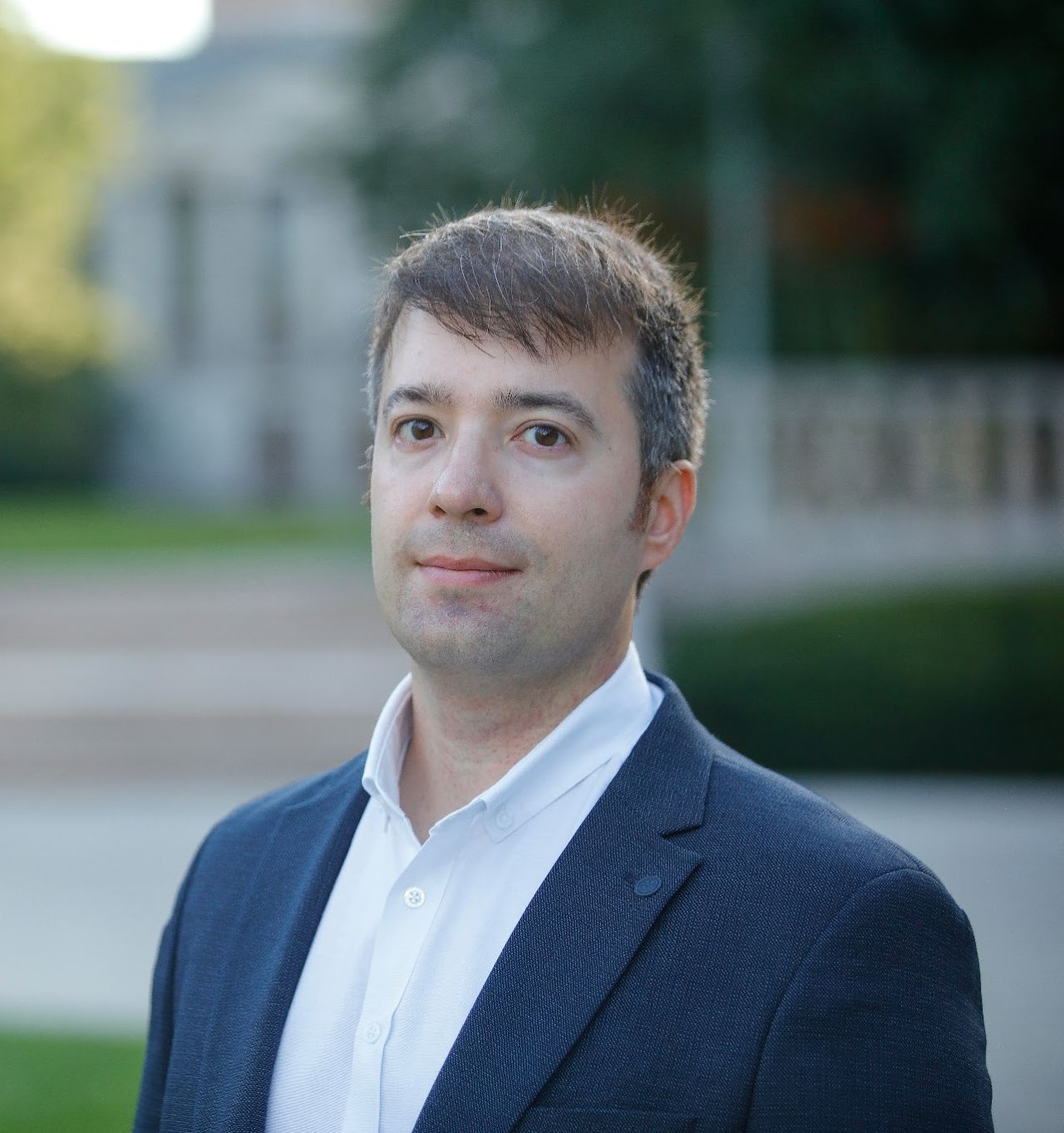
Cantay Caliskan
Cantay Caliskan is an associate professor of instruction at the Goergen Institute for Data Science and AI, University of Rochester. He studied political science, computer science, and statistics during his PhD, and received his degree from Boston University in 2018. Cantay received his BA in economics, mathematics, and international and global studies from Brandeis University, his MA in international relations from Koç University, and his MBA from the University of Rochester. His research interests include computational social science, specifically computer vision, social media analysis, and generative AI.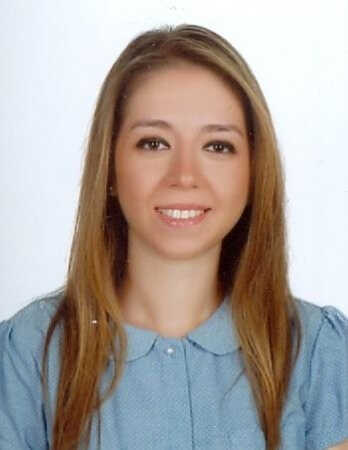
Ezgi Siir Kibris
Ezgi Siir Kibris is a lecturer of data science at Rochester Institute of Technology. She is a Ph.D. candidate in political science and an alumna of the MS program in data science at the University of Rochester. She has MA degrees in political science and European studies and BA in economics from Sabanci University. Her dissertation research revolves around judicial politics, international courts, democratic backsliding, and gender. She is interested in quantitative methods, specifically causal inference, machine learning, and natural language processing.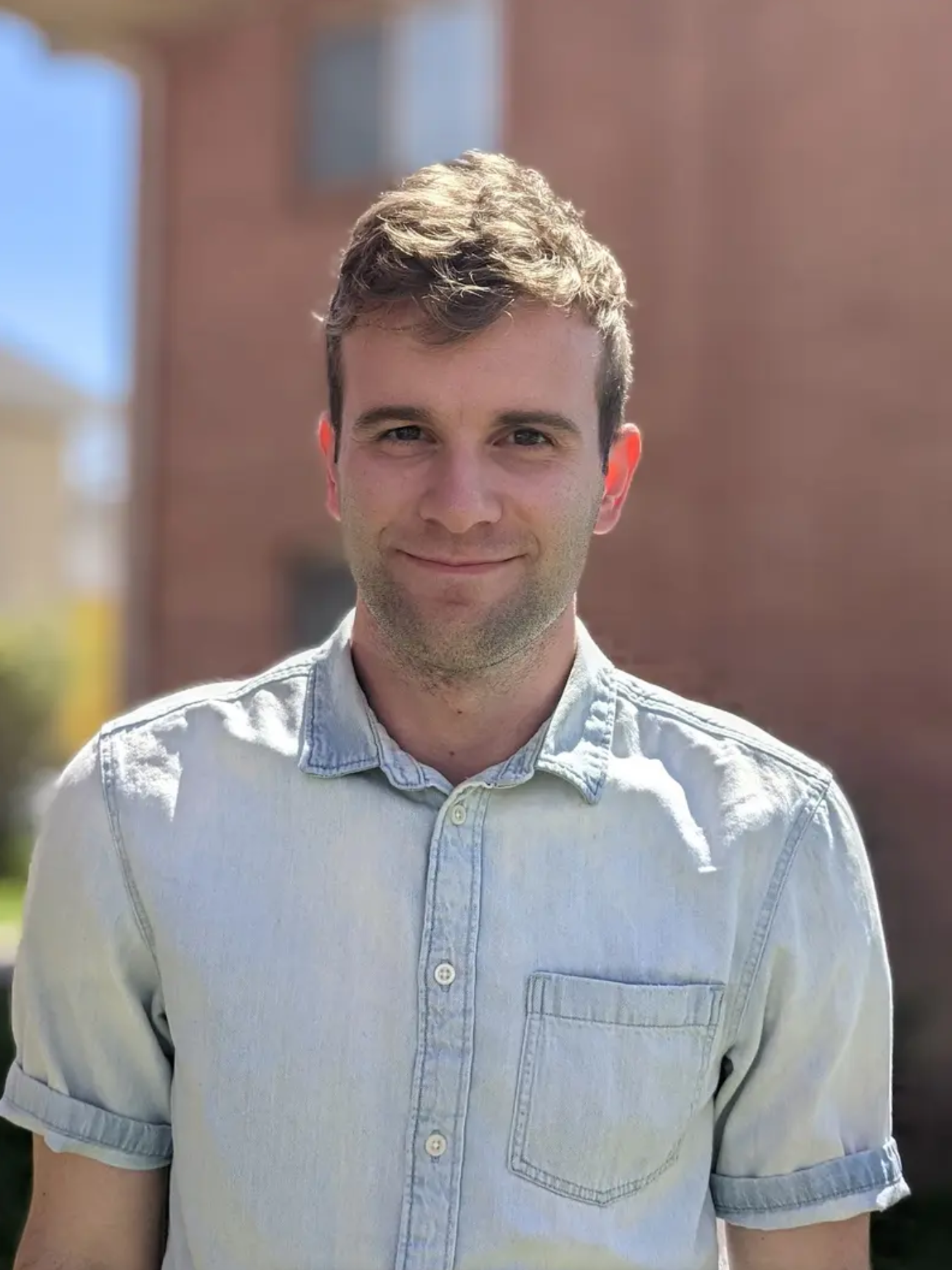
Adam D. Roberts
Adam D. Roberts is a PhD candidate in Political Science at the University of Rochester and a Democracy Center Graduate Fellow for the 2025–2026 academic year. He received his BA in Political Science and Economics from Brigham Young University in 2021. His research is in comparative politics, with a focus on accountability, elections, voter behavior, and democratic competition in developing democracies. He works primarily on Latin America, especially Mexico, and uses quantitative methods in his research.Speakers
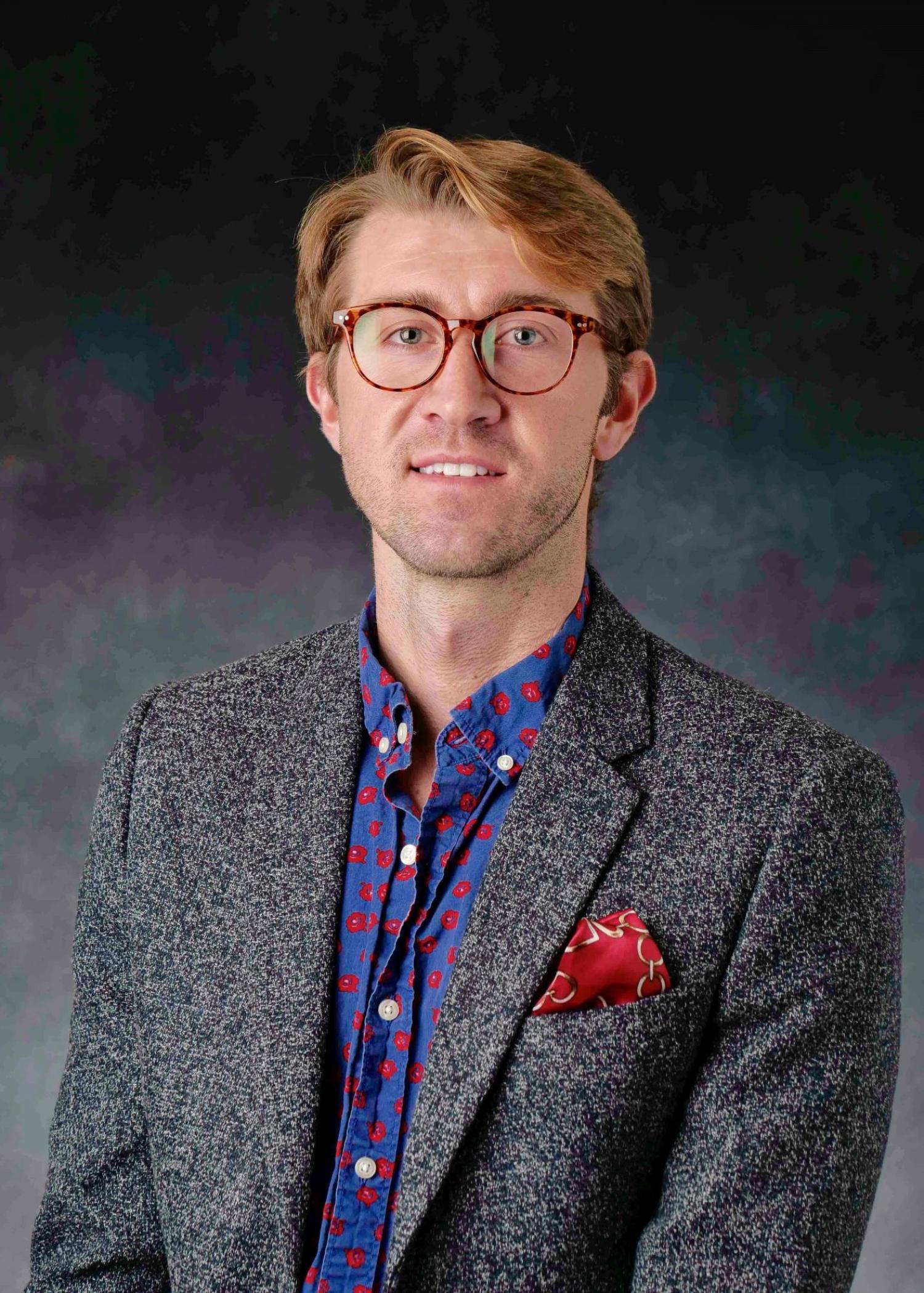
Keynote Speaker: Andrew Q. Philips
Andrew Q. Philips is Professor of Political Science at the University of Colorado Boulder, where he holds the Henry W. Ehrmann Endowed Professorship in Law and Jurisprudence and serves as a Fellow in the Institute of Behavioral Science. Before joining Colorado, he earned a BA in Political Science from the University of Vermont in 2011 and a PhD in Political Science from Texas A&M University in 2017, with concentrations in comparative politics and political methodology. His research focuses on political economy and methodology, with substantive interests in public budgets, representation, and the political consequences of economic risk. Much of his work brings careful quantitative methods to questions about government spending, women’s representation, dynamic modeling, and public opinion. He is the coauthor, with Christine S. Lipsmeyer and Guy D. Whitten, of The Politics of Budgets: Getting a Piece of the Pie, published by Cambridge University Press in 2023. His recent work includes articles on electoral quotas in India, labor market risk and policy preferences, compositional volatility, Monte Carlo learning, and the interpretation of ARCH and GARCH models. He has also developed software and teaching materials in Stata and R, including tools such as dynamac, dynsimpie, mkduration, and qdmean. In addition to his research, Philips has taught a wide range of methods courses at Colorado and in major summer training programs, including time series, pooled time series, panel and longitudinal analysis, maximum likelihood, machine learning, and statistical programming.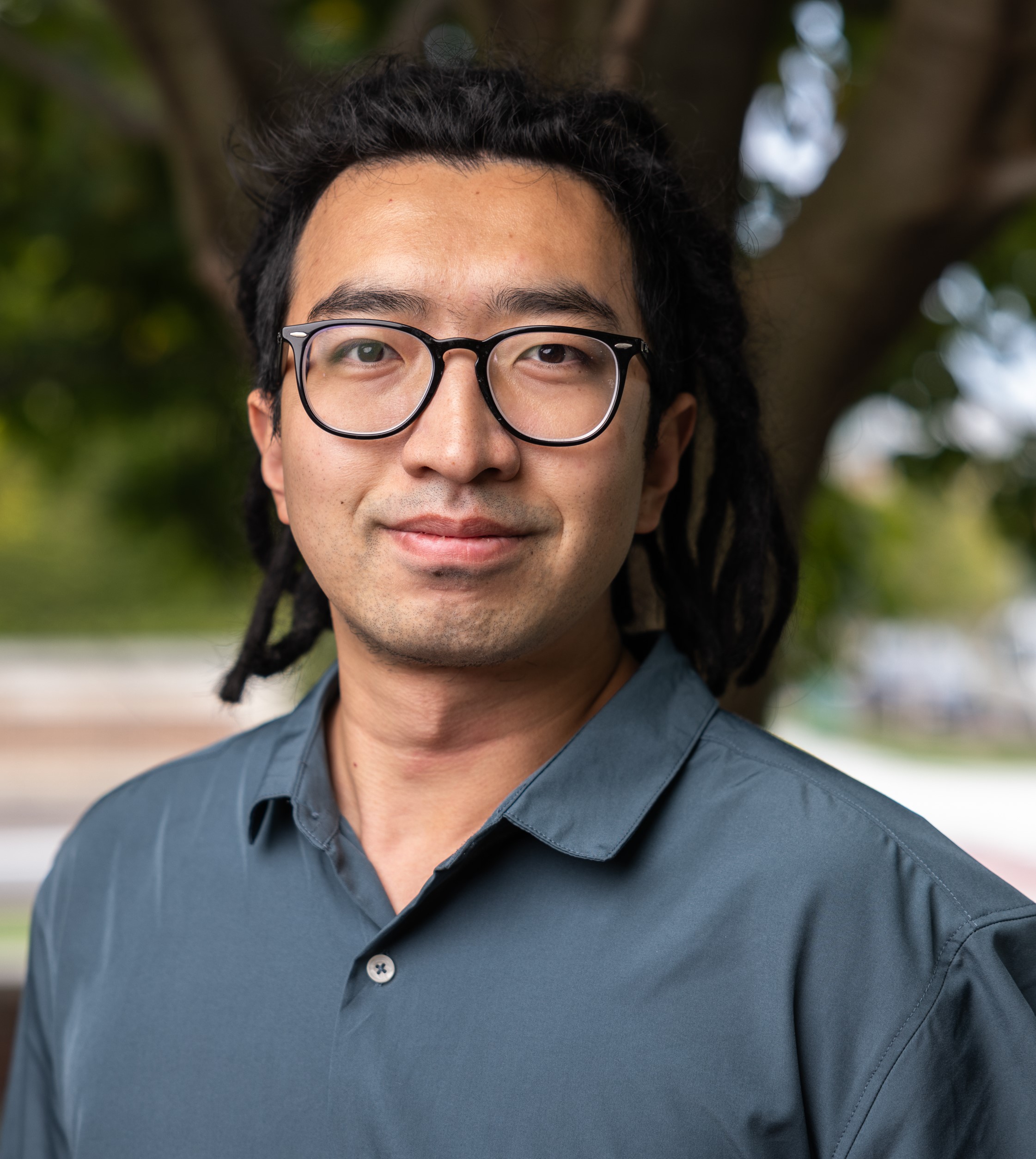
Da Gong
Da Gong is Lecturer of Data Analytics in the School of Business at SUNY Geneseo. He received his PhD in Economics from the University of California, Riverside in 2024, after earning an MA in History from the Chinese Academy of Social Sciences and a BA in Business Administration from Hunan University. His research spans development economics, public economics, political economy, culture and institutions, labor economics, and applied machine learning. Much of his work focuses on how large-scale policies and institutions shape economic outcomes, social behavior, and public beliefs. His recent publications examine the effects of China’s Zero-COVID policies on economic activity, student performance, and labor market outcomes, with articles published in China Economic Review, Journal of Asian Economics, and Journal of Labor Research. His ongoing research includes projects on famine experience and trust, public responses to political communication during the pandemic, bureaucratic incentives in crisis control, air pollution and sleep, and reproducibility and replicability in economics and political science. Before joining SUNY Geneseo, he also served as Lead Consultant at UC Riverside’s Graduate Quantitative Methods Center, where he supported graduate students and researchers on quantitative methods, programming, and research design. In addition to his research, he teaches courses in data analytics, Python, business and economic statistics, and information systems management, reflecting a scholarly background that combines substantive interests in political economy with strong quantitative and computational training.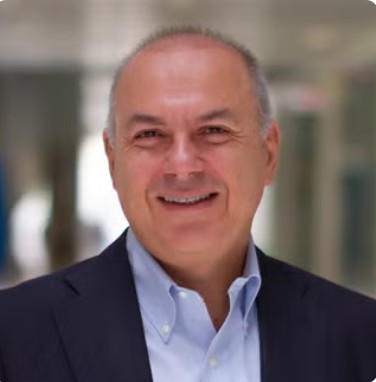
George Mikros
George Mikros is Professor in the MA Program in Digital Humanities and Societies at Hamad Bin Khalifa University’s College of Humanities and Social Sciences. Before joining HBKU, he was Professor of Computational and Quantitative Linguistics at the National and Kapodistrian University of Athens. He also directs the Computational Stylistics Lab and serves as an Adjunct Professor in the Department of Applied Linguistics at the University of Massachusetts Boston. Earlier in his career, he worked as a Research Associate at the Institute for Language and Speech Processing, where he contributed to the development of important language resources and natural language processing tools for Modern Greek. Since 1999, he has also taught at the Hellenic Open University, where he directed the undergraduate program in Spanish Language and Literature. Professor Mikros has authored five monographs and more than eighty scholarly publications in journals, conference proceedings, and edited volumes. He has long played a leading role in the International Association of Quantitative Linguistics, serving on its council since 2007 and becoming President in 2018. He is a frequent keynote and invited speaker at international conferences, workshops, and summer schools in digital humanities and quantitative linguistics. His work is well known for combining linguistic theory with quantitative methods to study authorship, variation, and textual evidence. His research focuses on computational stylistics, quantitative linguistics, computational linguistics, and forensic linguistics. At SICSS Rochester, he brings deep expertise in language, text, and measurement, along with a strong record of building bridges across linguistics, computation, and the digital humanities.
Gourab Ghoshal
Gourab Ghoshal is a Professor of Physics and Astronomy with a joint appointment in the Department of Computer Science. Prior to joining his current institution, he was a Research Scientist in the Department of Earth and Planetary Sciences at Harvard University and a member of Harvard's multidisciplinary Origins of Life initiative. Originally from New Delhi, India, Ghoshal earned his BSc and MSc in Theoretical Physics from the University of London in 2004. He completed his PhD in Physics at the University of Michigan, Ann Arbor in 2009, during which he also attended the prestigious Complex Systems Summer School at the Santa Fe Institute in New Mexico and the Theoretical Physics School at Les Houches in France. Following his PhD, he held postdoctoral positions at Northeastern University and Harvard Medical School, and was a visiting scientist at the MIT Media Lab. Trained as a statistical physicist, Ghoshal conducts research in complex systems, with interests spanning the theory and applications of complex networks, non-equilibrium statistical physics, game theory, econophysics, dynamical systems, and the origins of life. He is the editor of a book on complex networks published by Springer, and his work has appeared in leading journals such as Nature, Science, and Physical Review Letters.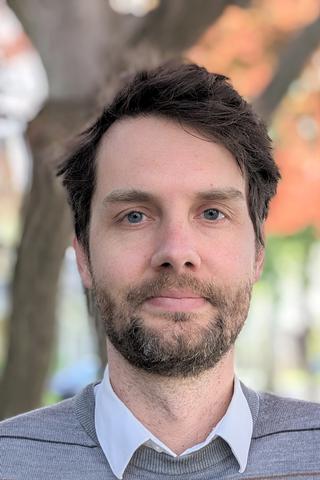
Jon Herington
Jonathan Herington is an Assistant Professor of Health Humanities & Bioethics at the University of Rochester, with secondary appointments in Philosophy and affiliation with the Goergen Institute of Data Science. His research sits at the intersection of bioethics, AI ethics, and political philosophy, with a particular focus on the governance of health technologies, fairness in machine learning, research ethics, and resource allocation during health emergencies. He teaches and writes on questions about data, algorithms, justice, and the social implications of emerging technologies. Before joining Rochester, he held positions at Kansas State University and the University of Birmingham. He earned his PhD in philosophy from the Australian National University and previously studied philosophy, international relations, and microbiology at the University of Queensland.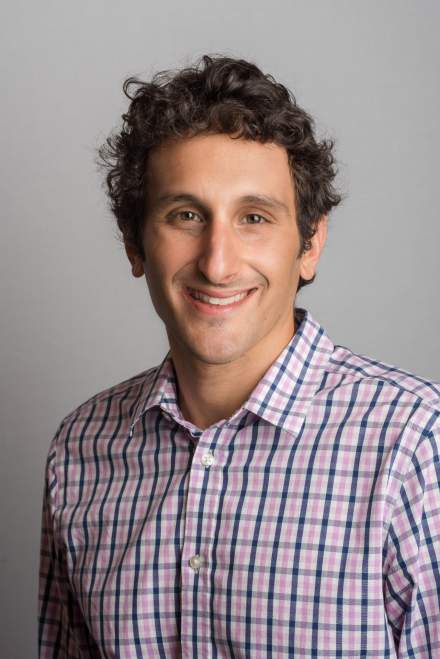
Kenneth Joseph
Kenneth Joseph is an Associate Professor in the Department of Computer Science and Engineering and the Department of AI and Society at the University at Buffalo, where he also serves as Associate Director of AI and Society in the Institute for Artificial Intelligence and Data Science. He leads the computation and equity lab, or cUBelab, where he and his collaborators study social inequality through computational methods and develop tools that help researchers better understand complex social problems. His work sits at the intersection of computer science and the social sciences. Drawing on machine learning, natural language processing, simulation, and network analysis, he studies topics such as stereotypes and prejudice, political misinformation, gender bias in organizations, social inequality, disaster response, and patterns of news and social media use. A central theme of his research is how computational approaches can help explain social divides and support work that benefits society. Before joining the University at Buffalo in 2018, Joseph held research positions at Northeastern University and Harvard’s Institute for Quantitative Social Science. He was also a Data Science for Social Good Fellow at the University of Chicago. He earned his PhD and MS in Societal Computing from Carnegie Mellon University and his BS in Computer Science from the University of Michigan. In addition to his research, Joseph is widely recognized for his teaching and mentorship. His honors include the University at Buffalo’s Exceptional Scholar Young Investigator Award and the 2025 Meyerson Award for Distinguished Undergraduate Teaching and Mentoring.
Timothy Loftus
Timothy Loftus is an undergraduate senior at the University of Rochester completing a BS in computer science with minors in political science and Spanish. In addition to performing research in computational social science, he works as a data scientist for the Lehigh Valley Justice Institute, using data research and working with other organizations to tackle local issues relating to criminal justice and advocacy. His research interests include computer vision, computational social science, and political analysis.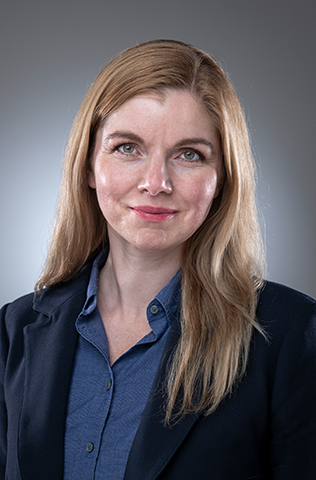
Yasemin Celikkol
Yasemin Y. Celikkol is Assistant Professor in Residence at Northwestern University in Qatar, with a joint appointment in Communication and Liberal Arts. She is affiliated with the Institute for Advanced Study in the Global South, serves on the Board of Advisors of the Center for Advanced Research in Global Communication at the University of Pennsylvania, and is Reviews Editor of the Middle East Journal of Culture and Communication. A scholar of global communication, her research focuses on the intersection of communication, culture, and geopolitics, with recent work on the geopolitics of globalized Turkish television series, as well as fashion and hegemony, published in journals such as the International Journal of Communication, Critical Studies in Media Communication, International Journal of Cultural Studies, and Fashion Theory. In Turkey, she is also known for her work on baby sign language and positive discipline; her book on baby sign language was the first of its kind to be widely available in bookstores and was recognized by the Deaf community and disability advocacy organizations. She received her PhD in Communication from the Annenberg School for Communication at the University of Pennsylvania in 2021, and her teaching emphasizes connecting theory to practice while mentoring students to engage thoughtfully with global communication in real-world settings.Teaching Assistants
Participants
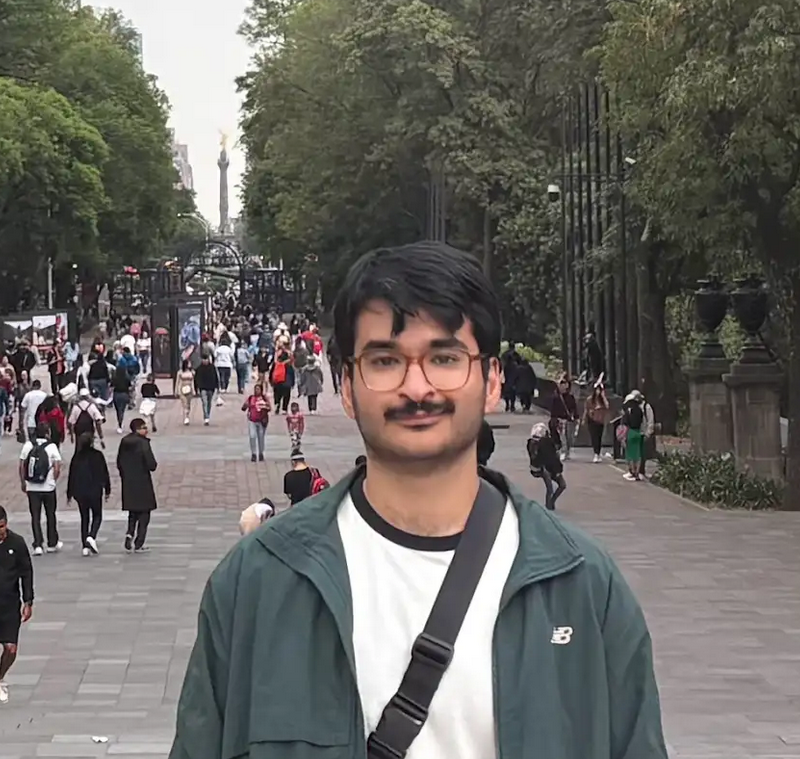
Borna Atrchian
Borna Atrchian is a first-year PhD student in Political Science at McGill University. He holds an MA in Political Science from the University of Toronto and a BSc in Behavioural Neuroscience from the University of British Columbia. His research interests are political behaviour and social psychology in the post-truth age. His current work explores the role of nihilism, distrust, and conspiracy beliefs in shaping public perceptions of reality and fuelling political violence.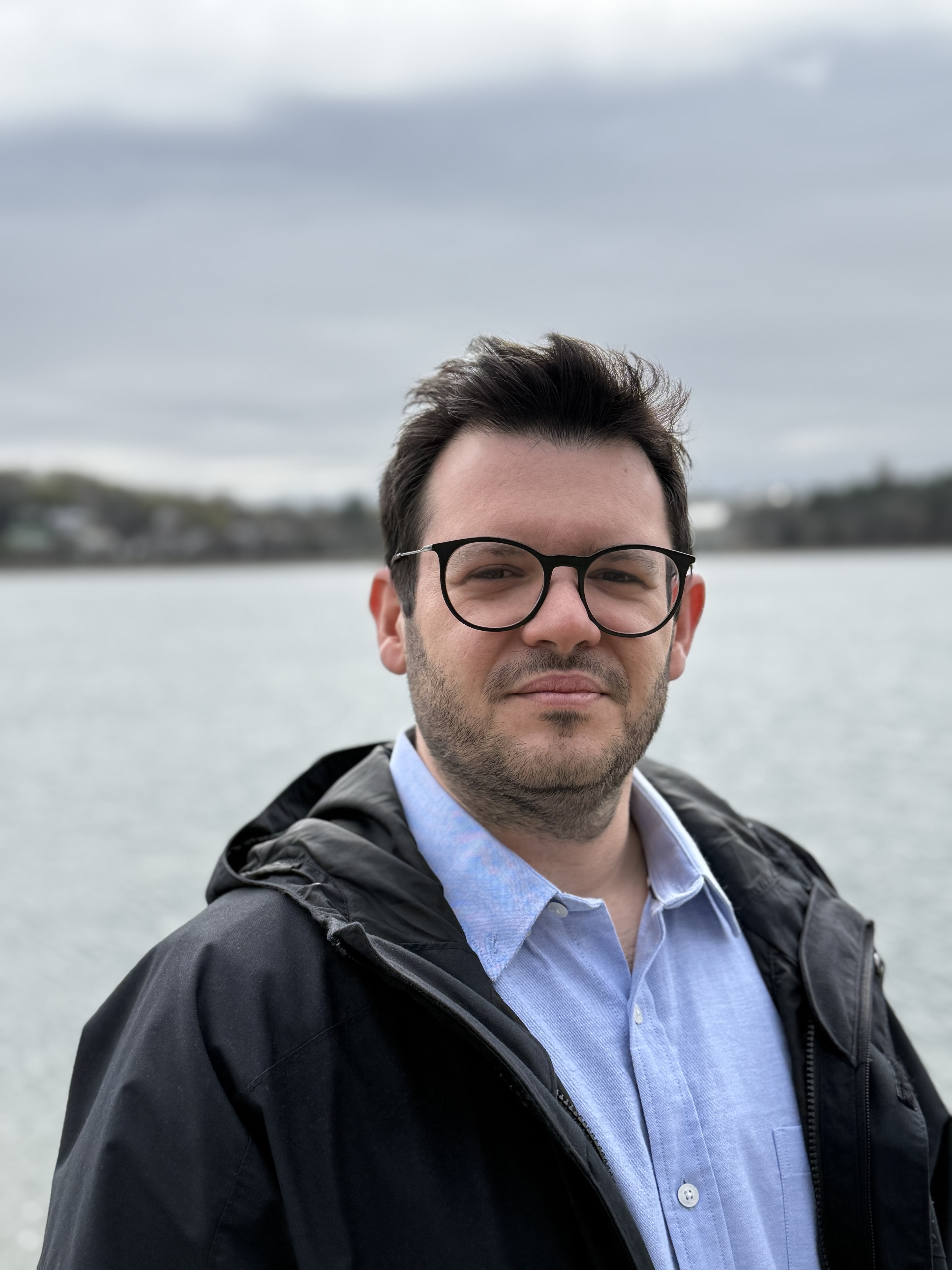
Duygun Ruben
Duygun Ruben is a PhD student in Sociology at Boston College. His research interests lie broadly in the sociology of work, with a particular focus on platform labor and the intersection of work and AI. His current research explores how platform delivery workers in Turkey sacrifice their leisure time and physical safety to maximize their income, complicating conventional understandings of platform worker precarity. In his prospective dissertation research, Duygun will examine how AI reshapes social relationships in the workplace, influences workers’ sense of belonging, and transforms the meanings they attach to their skills and labor.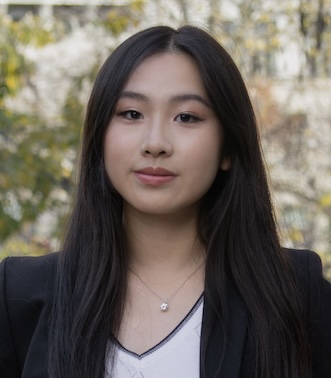
Eliza Yip
Eliza is an incoming Master’s student in Political Science at the University of Toronto. She was awarded the SSHRC Canada Graduate Research Scholarship to examine how online political behaviour impacts electoral outcomes and democratic resilience. She is a Research Assistant at the Center for the Study of Democratic Institutions, where she works with panel data and longitudinal causal inference methods. She is also co-authoring research with Professor Dietlind Stolle. Previously, she worked at the National Research Council of Canada and at the G20 Summit in New Delhi, India.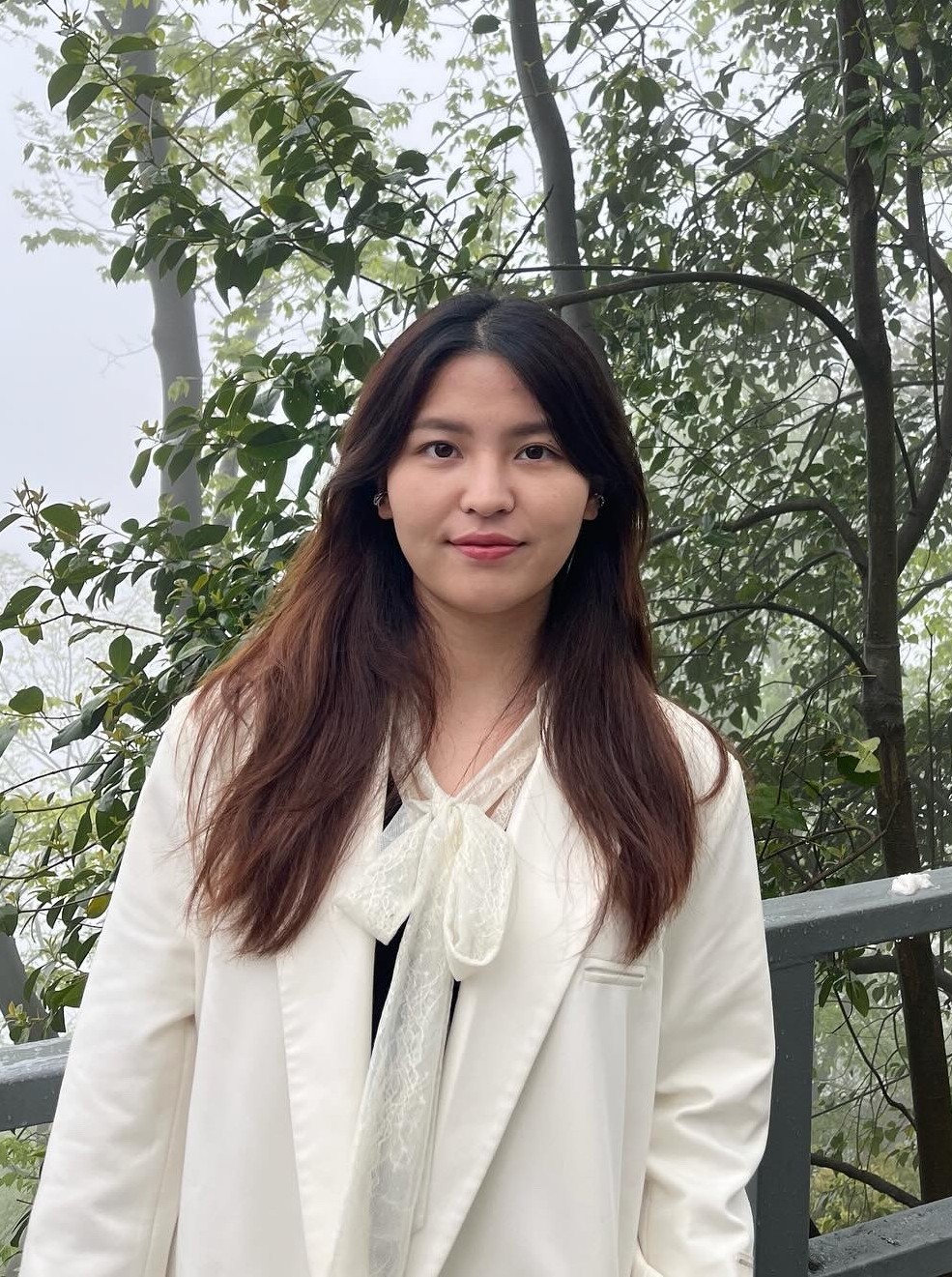
Fanxi He
Fanxi He is a first-year Ph.D. student in Political Science at the University of Illinois Urbana-Champaign. She holds a master's degree in International Politics from Fudan University and a bachelor's degree from Nankai University. Her research sits at the intersection of feminist international relations, international norm diffusion, and computational social science, with a regional focus on East Asia and the Middle East. She is especially interested in how states rhetorically engage with the Women, Peace, and Security Agenda, and uses natural language processing, topic modeling, and causal inference to study the diffusion of international gender norms.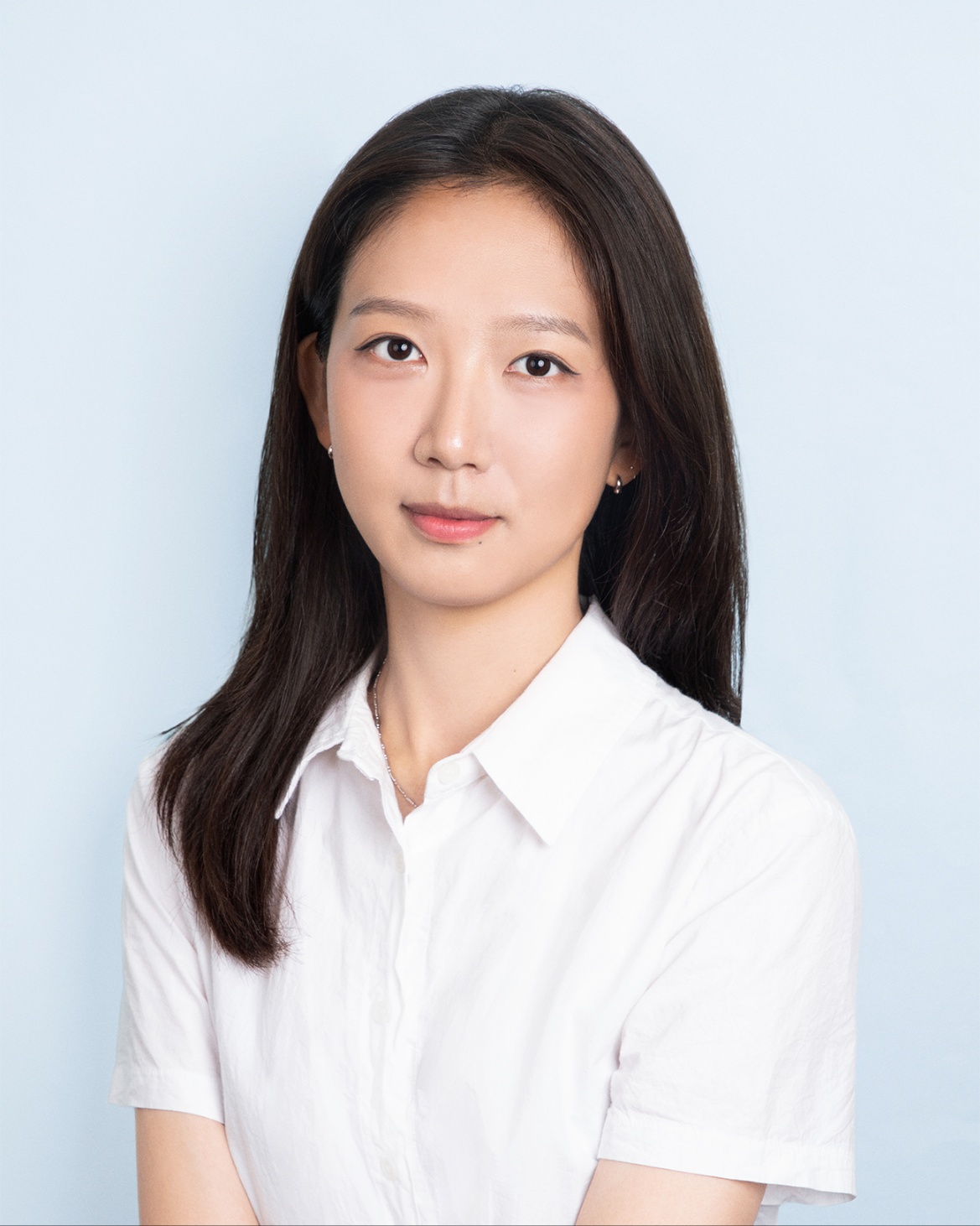
Gaeun Jung
Gaeun Jung is a Ph.D. student in the Department of Government at the University of Texas at Austin. She holds an M.A. in Political Science from Dongguk University. Her research focuses on International Relations, with a particular interest in civil conflict, rebel governance, and the role of external state support in violence against civilians.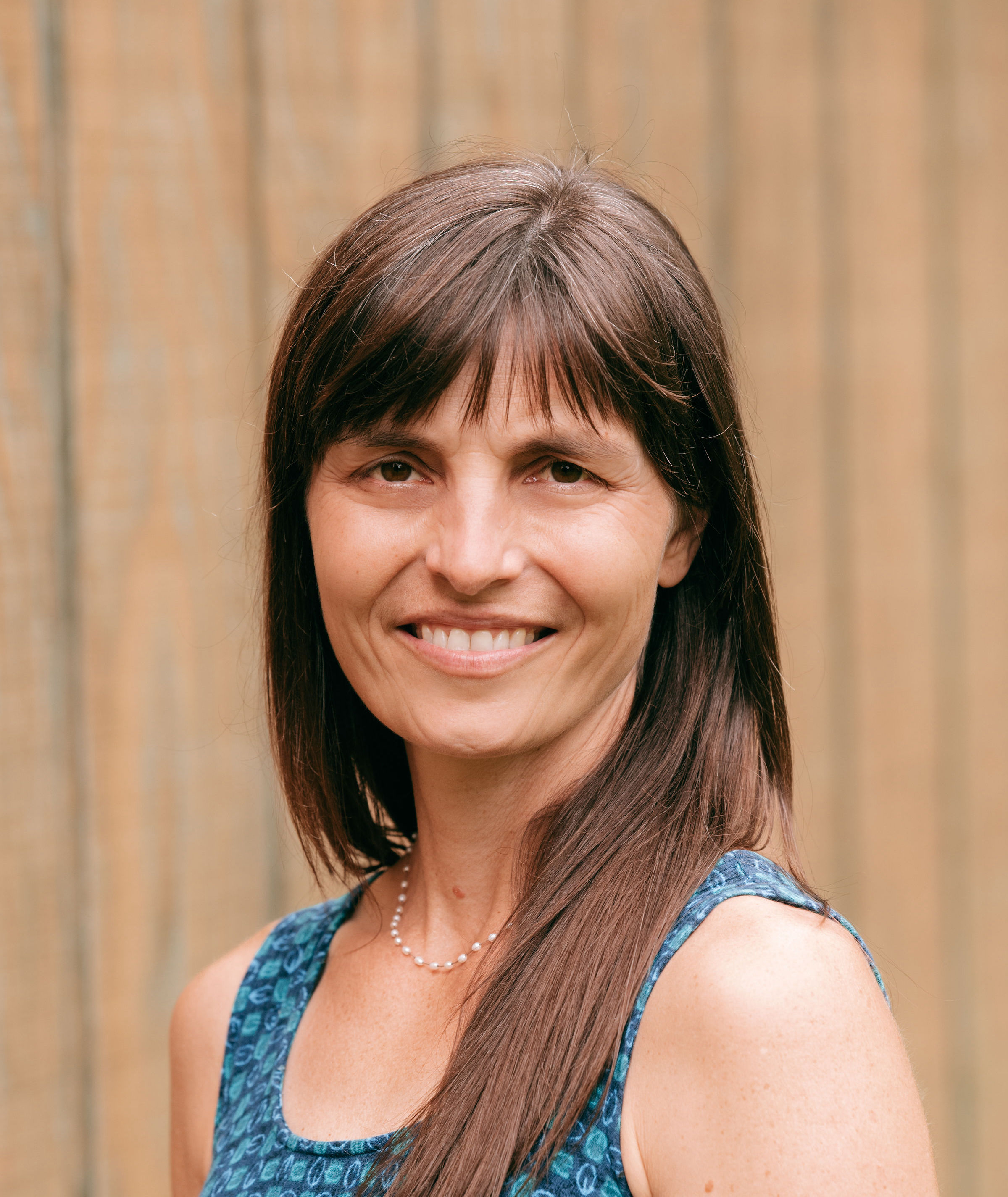
Hanna Sistek
Hanna Sistek is a political scientist whose research examines how digital technologies reshape democratic discourse and political accountability. Her work focuses on how fragmented media environments, affective polarization, and generative AI influence incentives for honesty in politics. She will join the Edmond & Lily Safra Center for Ethics at Harvard as a Postdoctoral Fellow in the fall of 2026. There, she will continue to develop her newest project ConvoLab, an AI-powered dialogue coach designed to support constructive political conversations. Her research combines survey experiments, interviews, and computational methods, including text analysis, to study disinformation and societal discourse. Before academia, she worked as an international journalist reporting across five continents.
Hari Acharya
Hari Prasad Acharya is an undergraduate student in Computer Science at the University of Rochester. He is interested in data science, machine learning, computer vision, and building data-driven systems that connect technical methods to real-world impact. His current research focuses on sustainability-related applications of artificial intelligence.
Luke Eliason
Luke Eliason is an undergraduate student at Brigham Young University studying comparative politics and Middle East studies. His research focuses on authoritarianism, extremism, and legitimacy in government. He is interested in data mining and web scraping methods, as well as large-scale data analysis through the use of large-language models. His area interests include the Levant and Mesopotamia, Arab Gulf, and the Indonesian archipelago.
Mateo Santalucia
Mateo Santalucia is an undergraduate at the University of Rochester studying Economics and Statistics. He has conducted quantitative research analyzing how federal policies shape legal aid accessibility in underserved communities and works as a student consultant supporting local businesses through benchmarking analysis. His interests include trade policy, development economics, and financial market dynamics, with a focus on data-driven policymaking.
Nathan Carpenter-Holmes
Nathan Carpenter-Holmes is an undergraduate at the University of Rochester pursuing a B.S. in Data Science and a B.A. in Economics, with a minor in Mathematics. His research interests span computational social science and sports analytics, with a focus on using data-driven methods to study decision-making, behavior, and performance across different domains. Nathan has worked as a research assistant studying historical political polarization through state legislature roll call data and will be a Summer Research Intern at Columbia Business School, where he will analyze the effects of political “disloyalty ads” on consumer behavior. Alongside his social science research, he has applied machine learning and statistical modeling in baseball analytics, developing tools and metrics using Trackman data to evaluate player performance, including a Stuff+ model for pitchers.
Peng-Ting (Dean) Kuo
Peng-Ting Kuo is a PhD student in Political Science at UT Austin, working at the intersection of computational social science and international relations. His substantive interests include threat perception, diplomatic rhetoric, and media representation, while methodologically he focuses on latent variable measurement, natural language processing, and multi-agent simulation. He served as a research assistant in political science, computer science, and sociology before joining UT Austin. Peng-Ting received his MA and BA in political science with a minor in economics from National Taiwan University.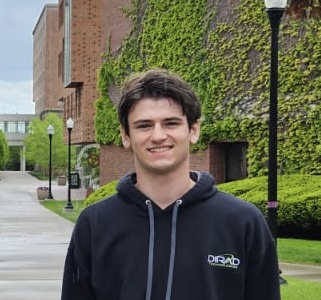
Shea Thorpe
Hailing from Albany, New York, Shea will enter his senior year at the University of Rochester in the fall of 2026. Here he studies Financial Economics and Data Science, and conducts legislative research under the tutelage of Political Science professor Gerald Gamm. Working with professors Stu Jordan and Gretchen Helmke, Shea developed web-based educational tools using political surveys administered by the nonpartisan organization Bright Line Watch. He's excited about the prospect of advancing this work using data mining methods, and hopes to utilize natural language processing and machine learning to analyze and predict the effect of political headlines on public sentiment.
Songtao Zhang
Songtao Zhang is a senior at the University of Rochester majoring in Data Science and Business. He has previously worked on topics in Data Science. He is passionate about learning how AI and social media shape or reshape people’s political attitudes, and whether social media intensifies political polarization. He is also interested in examining how different social structures / ethics and religious traditions influence social outcomes.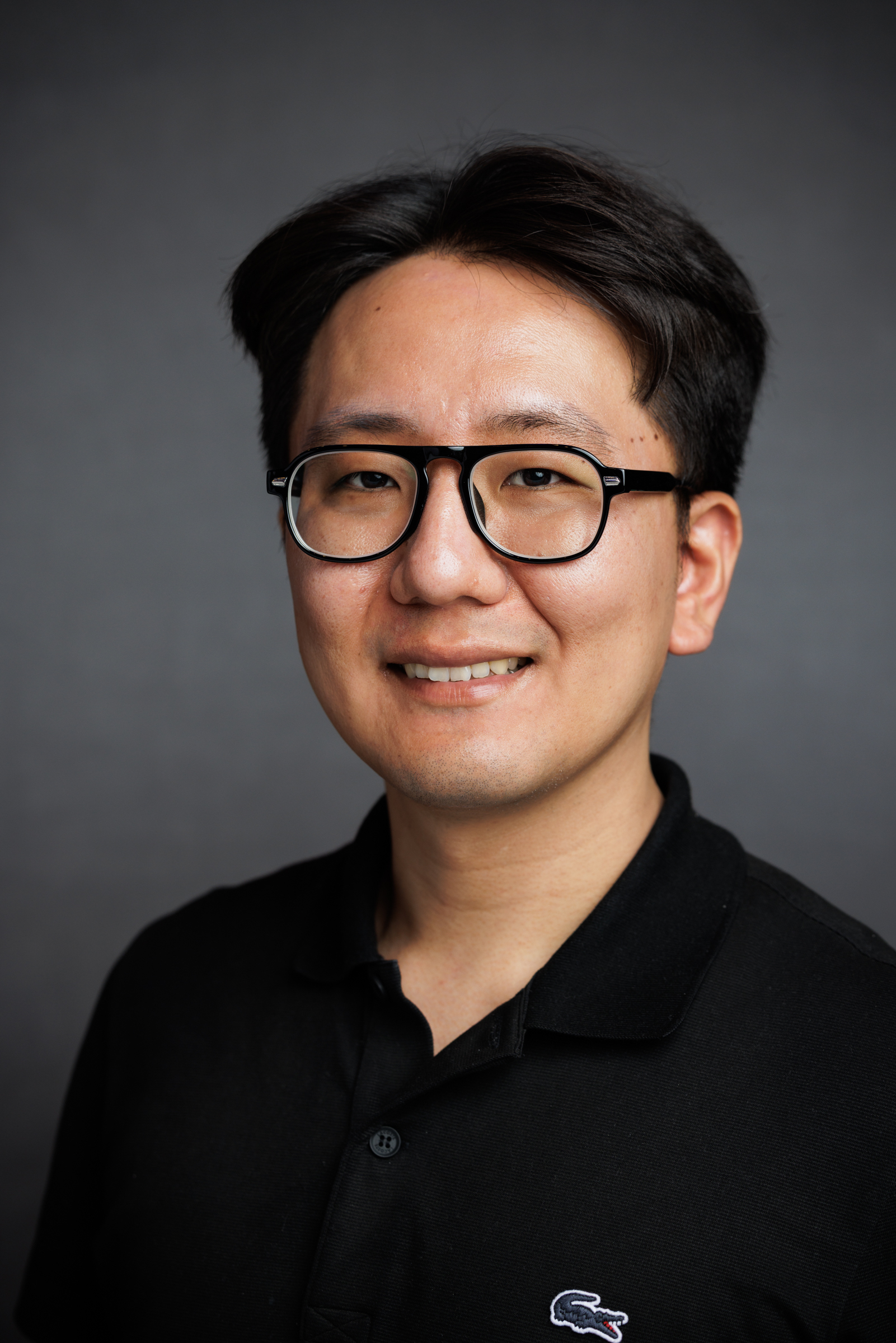
Wonmin Hong
Wonmin Hong is a Ph.D. candidate in Political Science at Louisiana State University. He studies comparative politics, with substantive interests in authoritarian regimes, political institutions, domestic conflict, and state repression. His current research examines how authoritarian regimes use legal institutions to manage political threats while preserving institutional credibility. His broader research agenda explores how autocracies govern through law, coercion, and political institutions. He is interested in computational social science approaches to legal and political texts, especially text-as-data, machine learning-assisted classification, and the construction of court-ruling datasets. Wonmin received his M.A. in Political Science from Yonsei University and his B.A. in International Relations from the University of Seoul.