People
Faculty
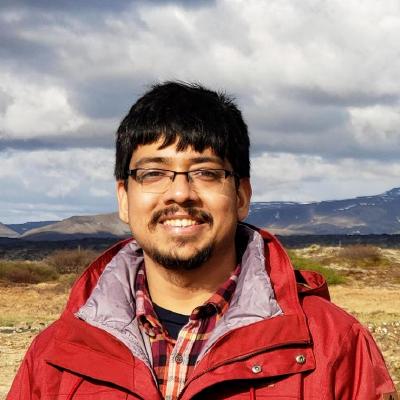
Subhayan Mukerjee
Subhayan Mukerjee is an Assistant Professor at the Department of Communications and New Media, and a principal investigator at the Centre for Trusted Internet and Community at the National University of Singapore. He researches online audiences using computational methods, and teaches courses in quantitative methods, programming, and data visualization.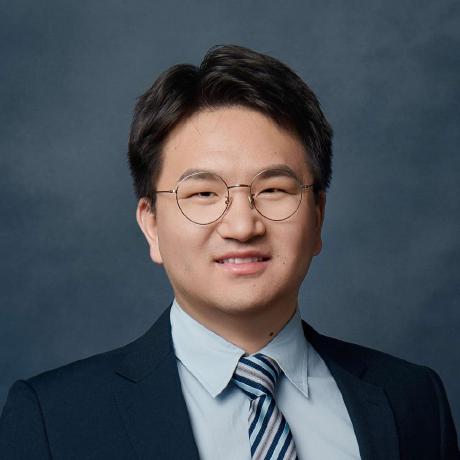
Zhicong Chen
Zhicong Chen is a Postdoctoral Fellow at the Department of Communications and New Media at the National University of Singapore. His research bridges digital media, data science, and cultural analysis, leveraging text-as-data methods and large-scale datasets to investigate online safety, information dynamics, and social change.
Cai Mengxuan
Mengxuan Cai (PhD) is a Research Fellow at the Centre for Trusted Internet Community, National University of Singapore. Her research spans political communication, gender, social media, misinformation and AI.
Rongxin Ouyang
Rongxin Ouyang is an PhD student at the Department of Communications and New Media at the National University of Singapore. He researches the societal and political implications of digital media using computational, causal, or quantitative methods; with a particular interest in the inequality and audience engagement of social media.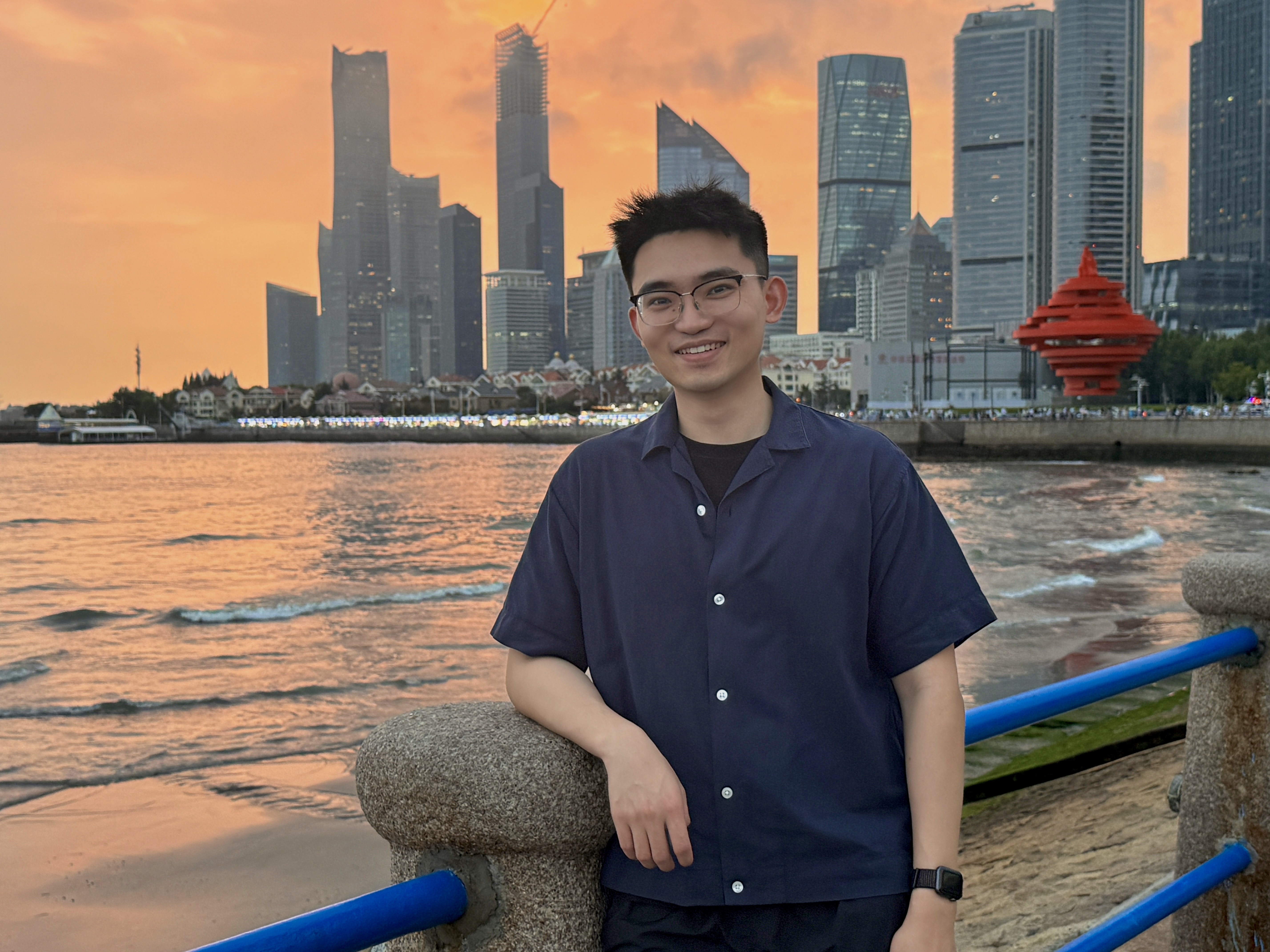
Xu Dong
Xu Dong is a PhD Candidate at the School of Journalism and Communication at the Renmin Univerisity of China and visiting student at the Department of Communications and New Media at the National University of Singapore. He researches human-computer interaction and public opinion on social media using computational methods.
Cai Yang
Cai Yang is a Master by Research student affiliated with the Department of Communications and New Media and the Centre for Trusted Internet and Community at the National University of Singapore. His research interests lie in computational social science, where he studies user behavior and user profiles on social media platforms using large-scale digital data and computational methods. He also develops auditing methods to evaluate platform transparency and compliance.Speakers
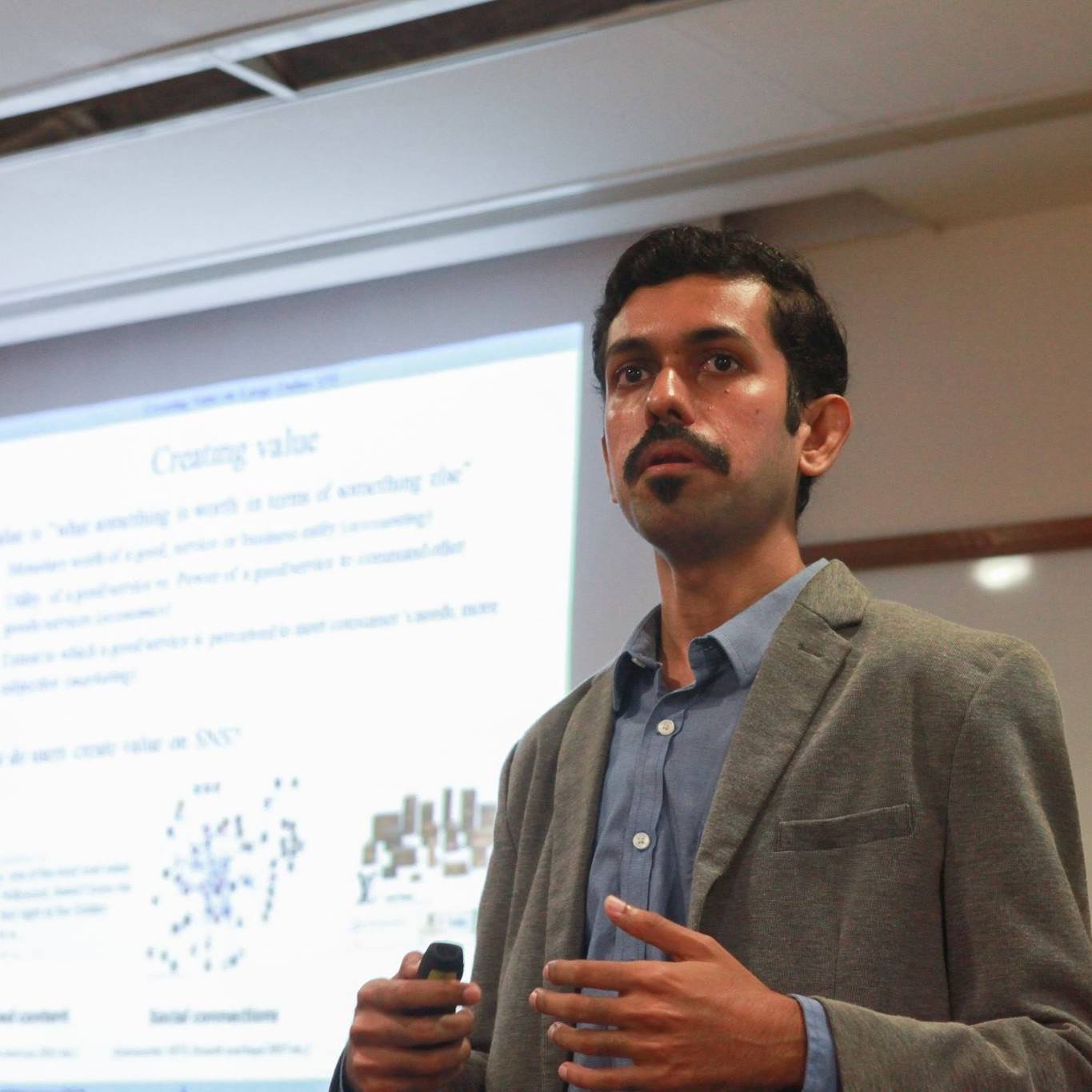
Prasanta Bhattacharya
Prasanta Bhattacharya is a Senior Research Scientist at the Institute of Advanced Intelligence and Computing (IAIC), the flagship institute for data, AI, and computing research within A*STAR - Singapore’s lead public sector agency for science and technology. He previously also served as Adjunct Assistant Professor at NUS Business School (Department of Analytics and Operations), where he designed and delivered graduate and executive-level courses in AI, business analytics, and network science. His research integrates network science, behavioral analytics, and psychometric modeling to address complex behavioural challenges in emerging markets.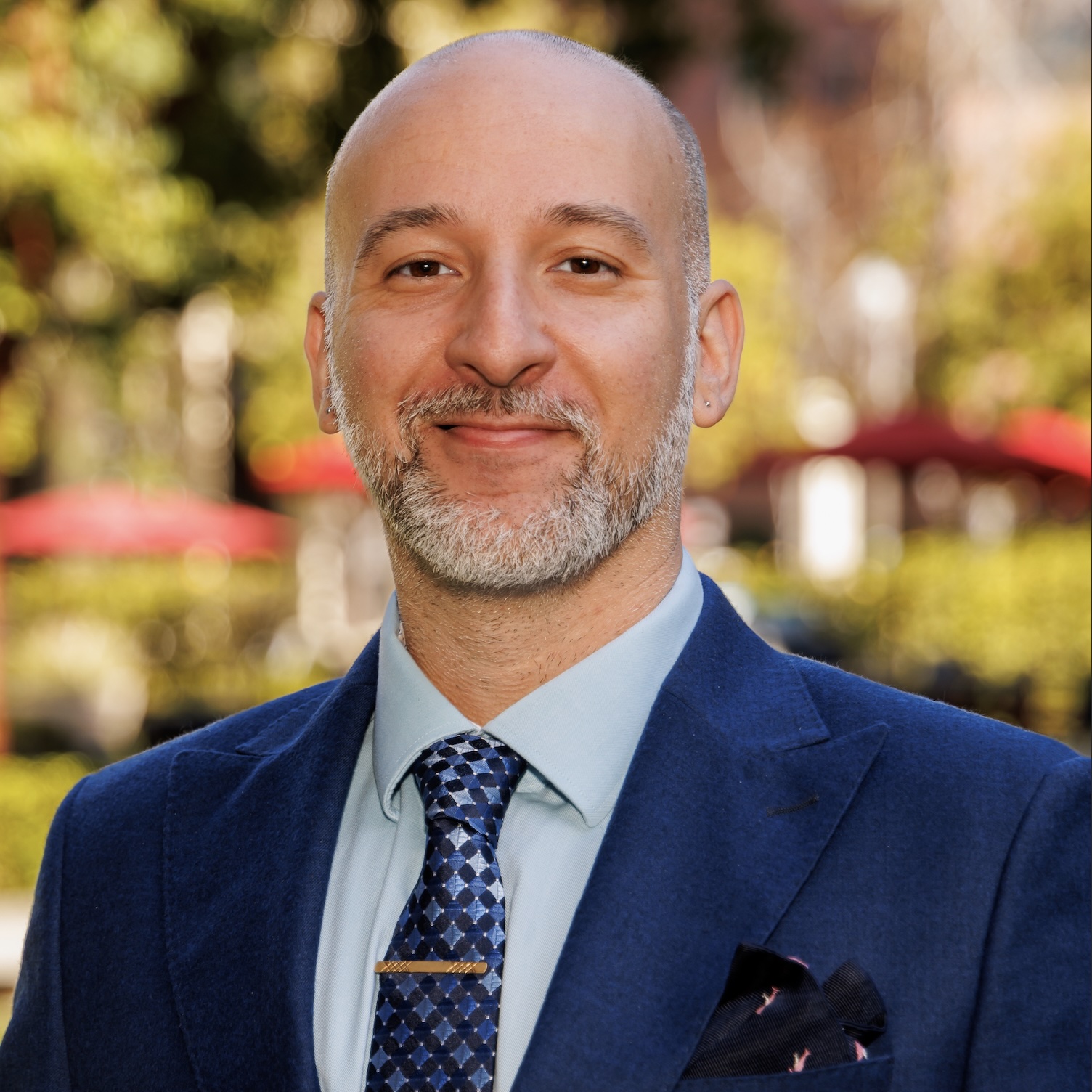
Emilio Ferrara
Emilio Ferrara is Professor of Computer Science (Associate Department Chair, Director of the Ph.D. Program) at the USC Thomas Lord Department of Computer Science, Director of the Interdisciplinary Data Science Program (ad interim) at the USC Mark and Mary Stevens School of Advanced Computing, Professor of Communication at the USC Annenberg School of Communication, Professor of Preventive Medicine at the Keck School of Medicine of USC, Principal Scientist at the USC Information Sciences Institute, and PI of the HUMANS Lab (HUmans | MAchines | Networks | Society).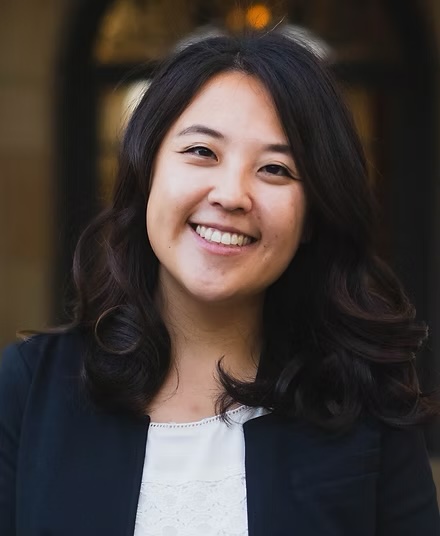
Elisa C. Baek
Elisa C. Baek is an Assistant Professor of Psychology at the University of Southern California, where she directs the Social Connection Lab. Her research examines the cognitive, affective, and neural mechanisms that shape how people understand one another and experience social connection and disconnection. Drawing on approaches from social psychology, neuroscience, network science, and communication, her work investigates topics including loneliness, shared understanding, and information sharing in real-world social contexts.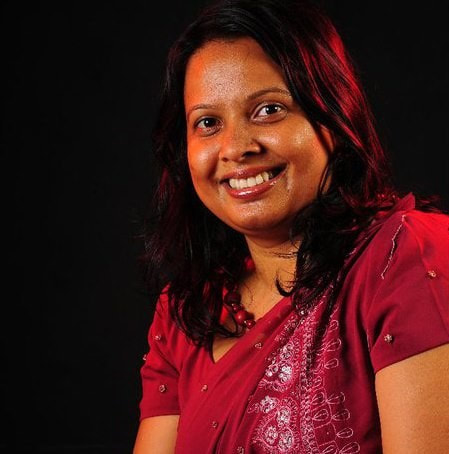
Dilrukshi Gamage
Dilrukshi Gamage is a Senior Lecturer at the University of Colombo School of Computing, Sri Lanka and a Visiting Research Fellow at the Centre for Protecting Women Online at the Open University UK. Her interdisciplinary research lies at the intersection of Human-Computer Interaction (HCI), Trust & Safety, and Computational Social Science, focusing on how AI-generated content—such as deepfakes—impacts public trust, gendered safety, and digital literacy in the Global South. She was previously a Research Fellow at the Weizenbaum Institute for the Networked Society in Berlin and an Affiliate at the Berkman Klein Center for Internet & Society at Harvard University and a postdoctoral researcher at Institute of Science Tokyo (formally Tokyo Tech). She has led multi-country research and design interventions across South Asia and presented her work at leading venues such as CHI, ICWSM and Trust & Safety Conference. Her work can be found at www.dilrukshigamage.org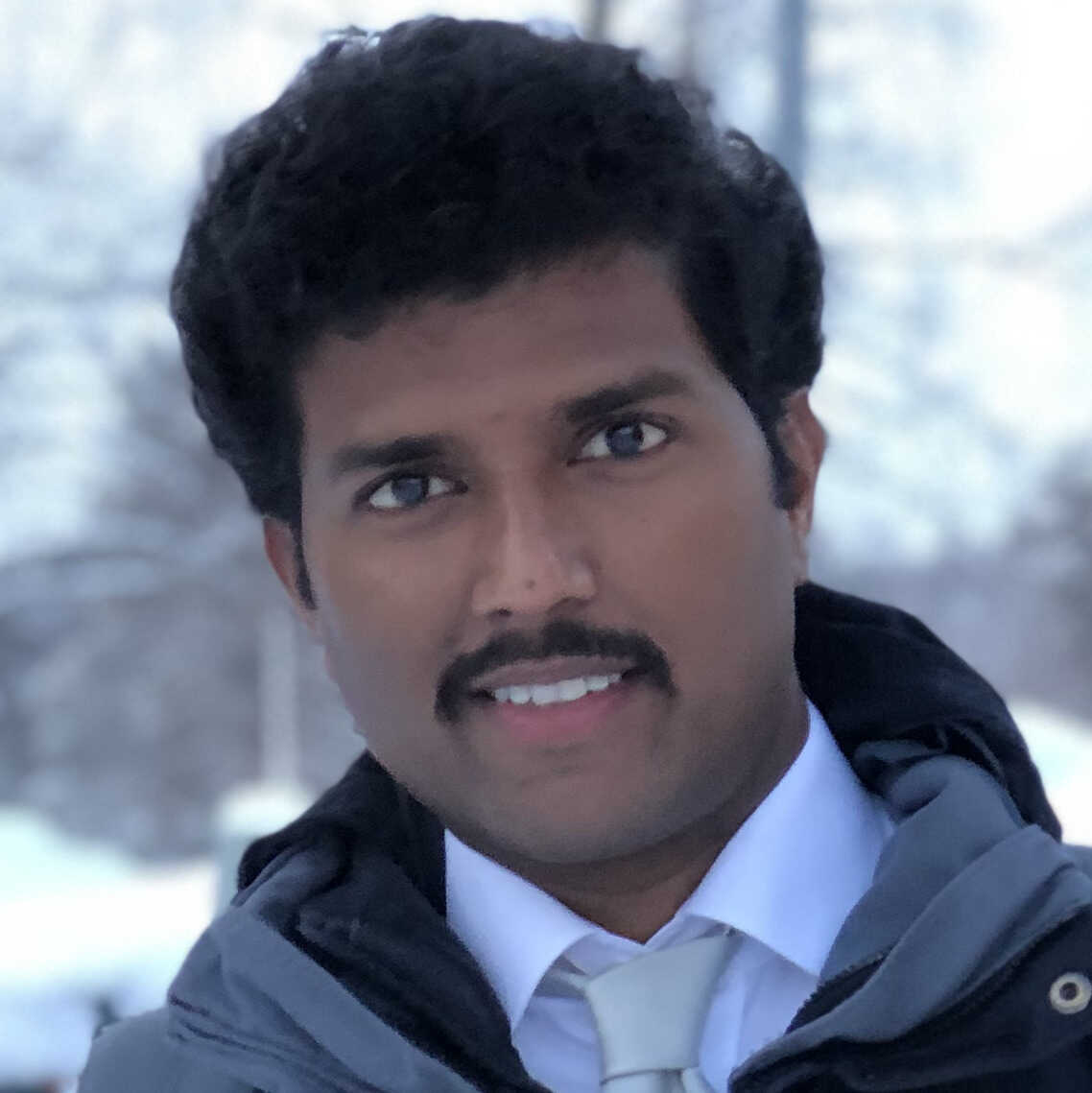
Kiran Garimella
Kiran Garimella is an assistant professor in the School of Communication and Information at Rutgers. Prior to joining Rutgers, Garimella was the Michael Hammer postdoc at the Institute for Data, Systems and Society at MIT and a postdoc at EPFL, Switzerland. His research focuses on using digital data for social good, including areas like polarization, misinformation and human migration. His work on studying and mitigating polarization on social media won the best paper awards at top computer science conferences. Kiran received his Ph.D. in computer science at Aalto University, Finland, and Masters & Bachelors from IIIT Hyderabad, India. Prior to his Ph.D., he worked as a Research Engineer at Yahoo Research, Barcelona, and QCRI, Doha.
D. Sunshine Hillygus
D. Sunshine Hillygus is Professor of Political Science and Public Policy at Duke University, where she also directs the Social Science Research Institute and co-directs the Duke Polarization Lab. Professor Hillygus has published widely on the topics of public opinion, political communication, survey methodology, and information technology and politics. She is a 2024 Carnegie Fellow, 2025 Insight250 Global Insights Winner, and an Elected Fellow of the Society for Political Methodology. She serves as a PI of the American National Election Study and on AI taskforces for the American Association of Public Opinion Research and the American Political Science Association. She is co-author of Making Young Voters: Converting Civic Attitudes into Civic Action (Cambridge University Press, 2020), The Persuadable Voter: Wedge Issues in Political Campaigns (Princeton University Press, 2008), and The Hard Count: The Social and Political Challenges of the 2000 Census (Russell Sage Foundation, 2006). She holds a Ph.D. in political science from Stanford University and a B.A. and M.A. from the University of Arkansas. From 2003-2009, she taught at Harvard University, where she was the Frederick S. Danziger Associate Professor of Government and founding director of the Program on Survey Research.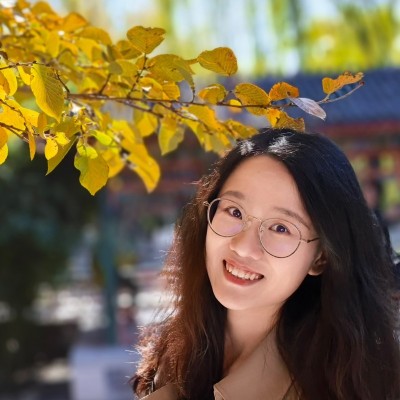
Yihong Huang
Yihong Huang is an Assistant Professor at Guanghua School of Management, Peking University, China. She received her PhD from Harvard University in 2024. Her research focuses on Behavioral Economics, Experimental Economics and Political Economy, employing both field and lab experiments. She uses insights from behavioral economics theory to understand real-world phenomena such as misperceived social norms, political discourse, media bias, and inefficient information flow.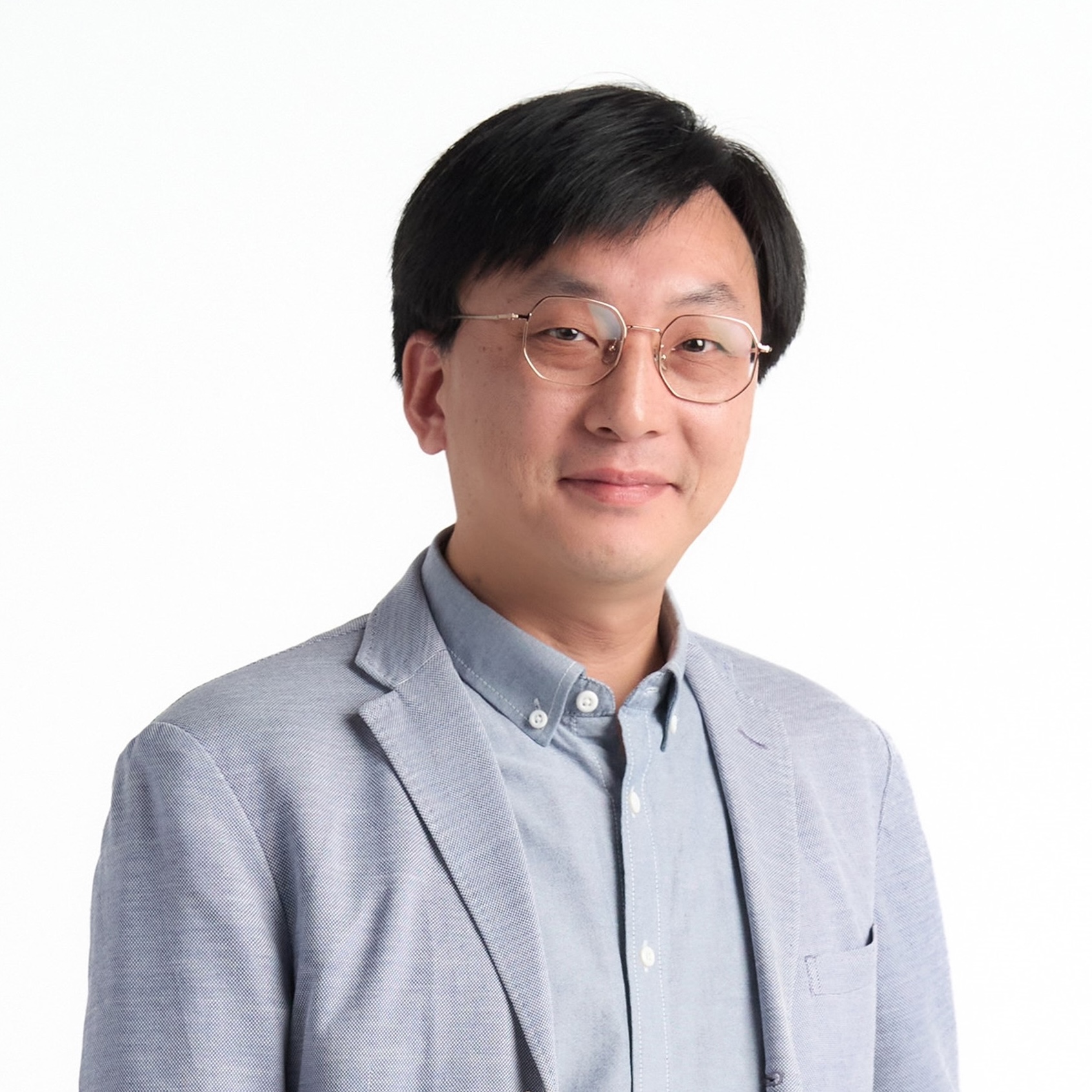
Hai Liang
Hai Liang is an Associate Professor and the Director of the School of Journalism and Communication at The Chinese University of Hong Kong (CUHK). He also serves as the Co-Director of the Computational Social Science Laboratory at CUHK and is an affiliated member of the Web Mining Laboratory at City University of Hong Kong. His research interests include computational social science, political communication, and digital public health. He has published dozens of journal articles, many appearing in the foremost communication journals, such as Journal of Communication, Communication Research, Human Communication Research, Journal of Computer-Mediated Communication, and New Media & Society. He has also published in public health, information science, political science, sociology, and other interdisciplinary journals. He is currently working on several interdisciplinary projects related to human-AI communication using computational methods and field experiments, decentralized activism on social media, and the consequences of political incivility.
Swapnil Mishra
Swapnil Mishra is an Assistant Professor at National University of Singapore (NUS), where he is primarily working at intersection of public health, machine learning and Bayesian modelling. He is part of Machine Learning & Global Health Network, which is a multi-country and multi-organisation network focused on doing fundamental research in machine learning and problems related to global health. His research focuses on applying and developing statistical machine learning techniques for the broader and messier world of science and public policy, especially global health. He develops flexible and scalable models for understanding various spatiotemporal data, for example, epidemics (COVID-19, Malaria, HIV) and crime. For his doctorate, he built models for understanding the evolution of popularity in social media. His work focused on algorithms to model point processes with classical machine learning techniques as well as using modern deep learning networks, mainly recurrent networks.Teaching Assistants
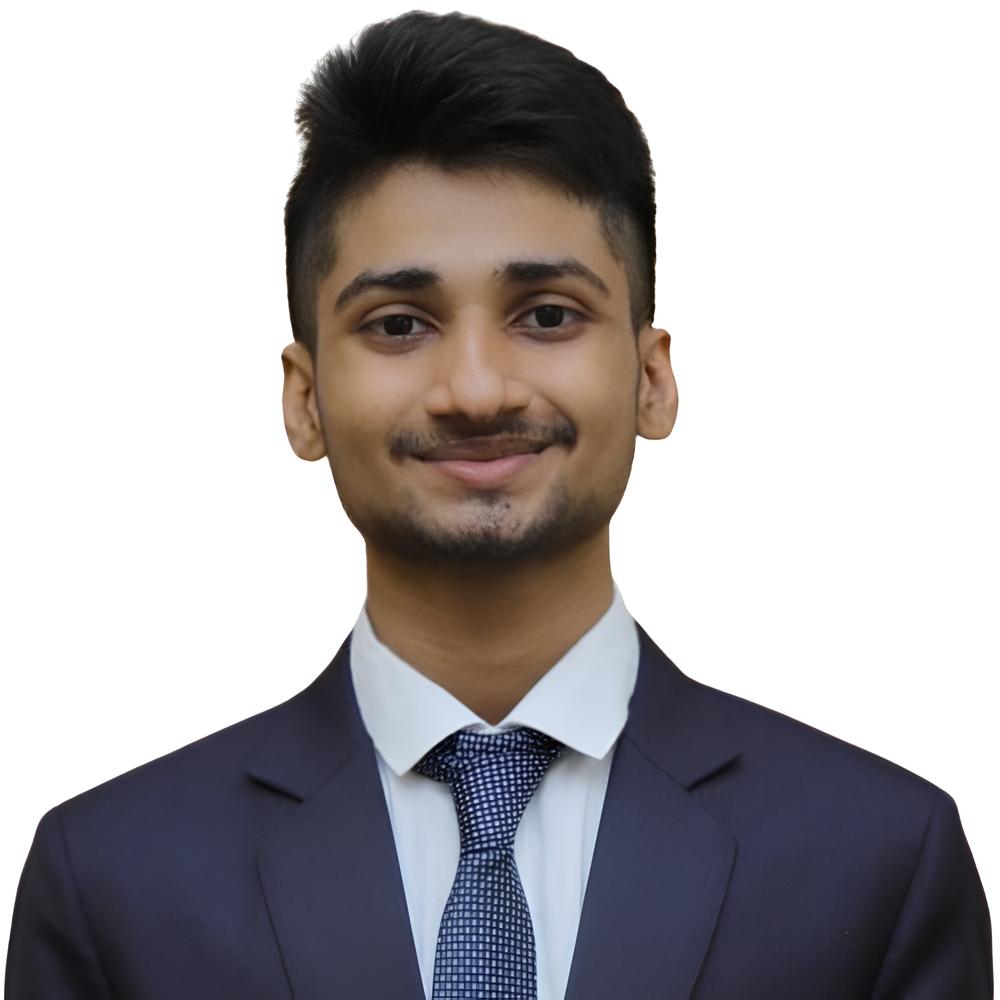
Sarthak Ingle
Sarthak Ingle is a Pre-Doctoral Researcher at the National University of Singapore (NUS). He completed his B.E. in Computer Science at BITS Pilani. His research interests include machine learning, artificial intelligence, computational social science, and large language models, with a focus on developing data-driven methods to better understand human behaviour and societal systems.Participants

Wenwen Cao, University of Minnesota
Wenwen Cao is a second-year PhD student in Mass Communication at the University of Minnesota. Her research examines digital advertising, emotional diffusion, and social media communication using computational methods such as text analysis, social network analysis, and large-scale digital trace data. She is especially interested in AI-mediated communication, causal inference, and computational approaches to communication research.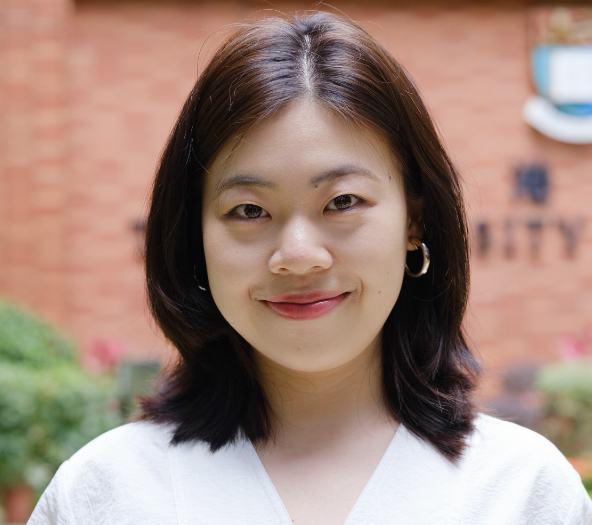
Wei Dannuo, Nanyang Technological University
Wei Dannuo's research focuses on psychosocial well-being in digital and social environments, with particular interest in the intersectional influences of cultural, identity-related, and behavioural factors on mental well-being. Her methodological experience includes quantitative survey research, systematic reviews and meta-analyses, umbrella reviews, thematic analysis and quantitative text mining.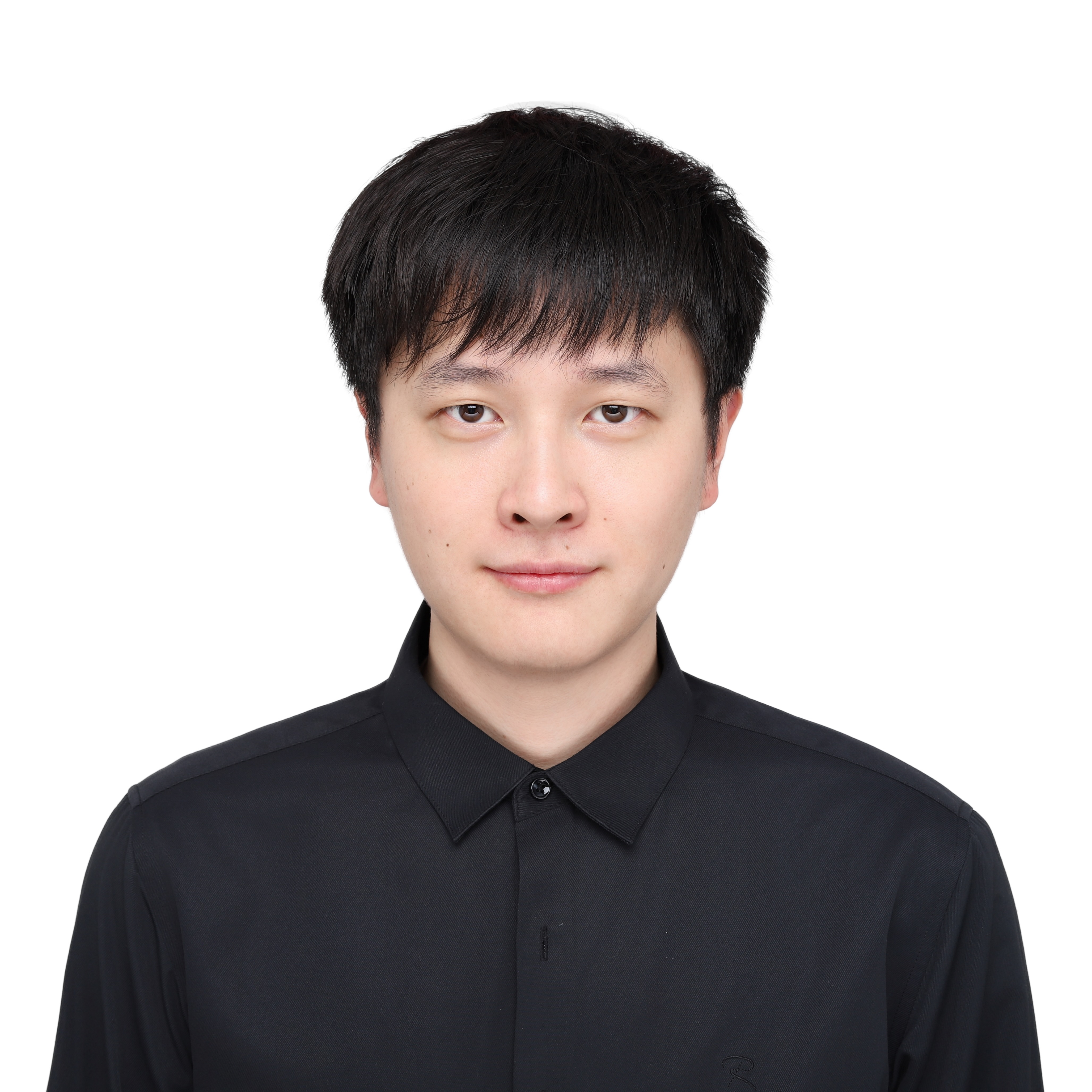
Jingwei Gao, City University of Hong Kong
Jingwei Gao is a Ph.D. candidate in the Department of Communication and Media at City University of Hong Kong. His current research interests focus on news production and consumption in an increasingly platformized media environment, drawing on large-scale online data. He is also keen on exploring the application of causal inference methods in communication research.
Leon Kong, National University of Singapore
Leon Kong is a Singapore civil servant on study leave, currently pursuing an MA in Global and Asian History at NUS. His research examines how bureaucratic processes and culture in interwar colonial Singapore shaped governance and decision-making. He is at the beginning of his computational journey and has come to SICSS to build the foundation for applying these methods to his research.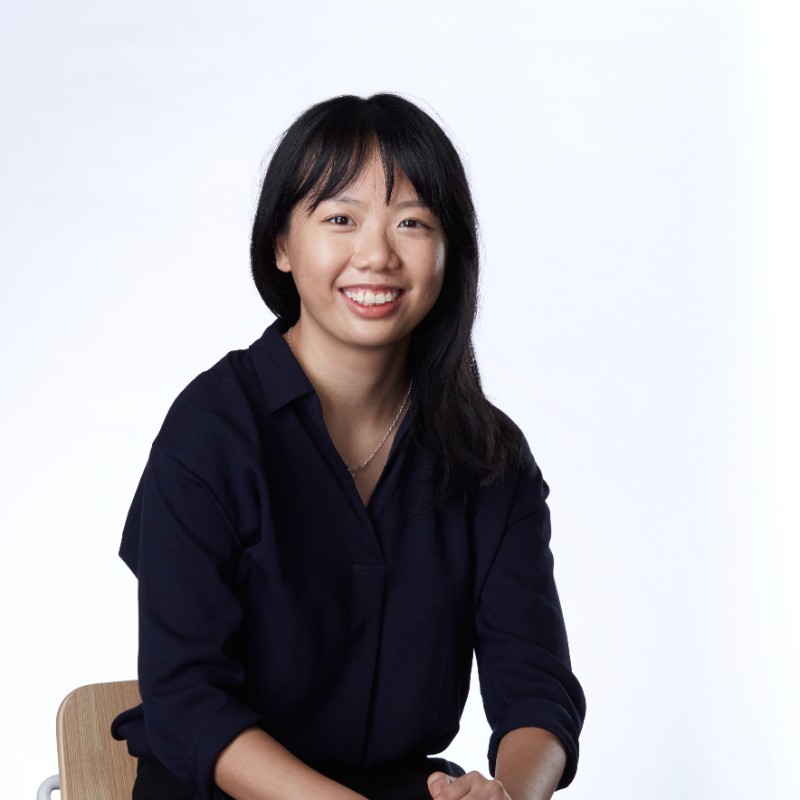
Michelle Lee YY, National University of Singapore
Michelle is a first-year Master's by Research student in the Department of Communications and New Media. Their research interests include migrant labour, digital identities, and political communication.
Shannon Lee, National University of Singapore
Shannon is a Master's by Research student at the Communications and New Media department at the National University of Singapore. She received her Bachelor of Arts (Hons) in English Literature at the same university. Her current research interests lie at the intersection of critical theory and video games.
Shixian Li, Tsinghua University
Shixian Li's research focuses on media technologies in the Chinese context, lying at the intersection of political communication and social governance. She is passionate about using computational tools to untangle the complexities of China.
Xuelian Li, Huazhong University of Science and Technology
Xuelian Li is a lecturer at the School of Journalism and Information Communication, Huazhong University of Science and Technology. She holds a PhD from Peking University and her research interests include media and social change, youth and media, and media temporality, with publications in Journalism & Communication Research and Sociological Studies. Her recent work focuses on causal inference in communication research and adolescent AI use.
Zixuan Li, City University of Hong Kong
Zixuan Leah Li is a second-year PhD student in the Department of Media and Communication at City University of Hong Kong. Her research focuses on digital media and audience behavior. Leah currently uses LLMs and computer vision to analyze massive Danmaku datasets through the lens of Play Theory. At SICSS, she is eager to explore digital field experiments and causal inference.
Aria (Yan) Lyu, Shanghai Jiao Tong University
Aria (Yan) Lyu is a PhD student at the School of Media and Communication, Shanghai Jiao Tong University. Her research focuses on human-machine communication, digital parenting, and computational social science.
Sayari Misra, Indian Institute of Technology Jammu
Sayari Misra holds a Ph.D. from Indian Institute of Technology Jammu, where her research explores the intersections of climate change, social networks, water-resource stress, and everyday adaptation in the ecologically vulnerable Indian Sundarbans. She was a Fulbright-Nehru Doctoral Fellow (2024-2025) at the University of Minnesota, Twin Cities, USA.
Ying Qi Pan, University of California, Santa Barbara
Ying Qi Pan is a Ph.D. student in the Department of Communication at the University of California, Santa Barbara. Her research focuses on political communication, technology, intergroup relationships, and digital inequality. Her work explores how individual and contextual factors influence digital political inequality, and how artificial intelligence shapes human-technology relations. Her methodological training is primarily quantitative.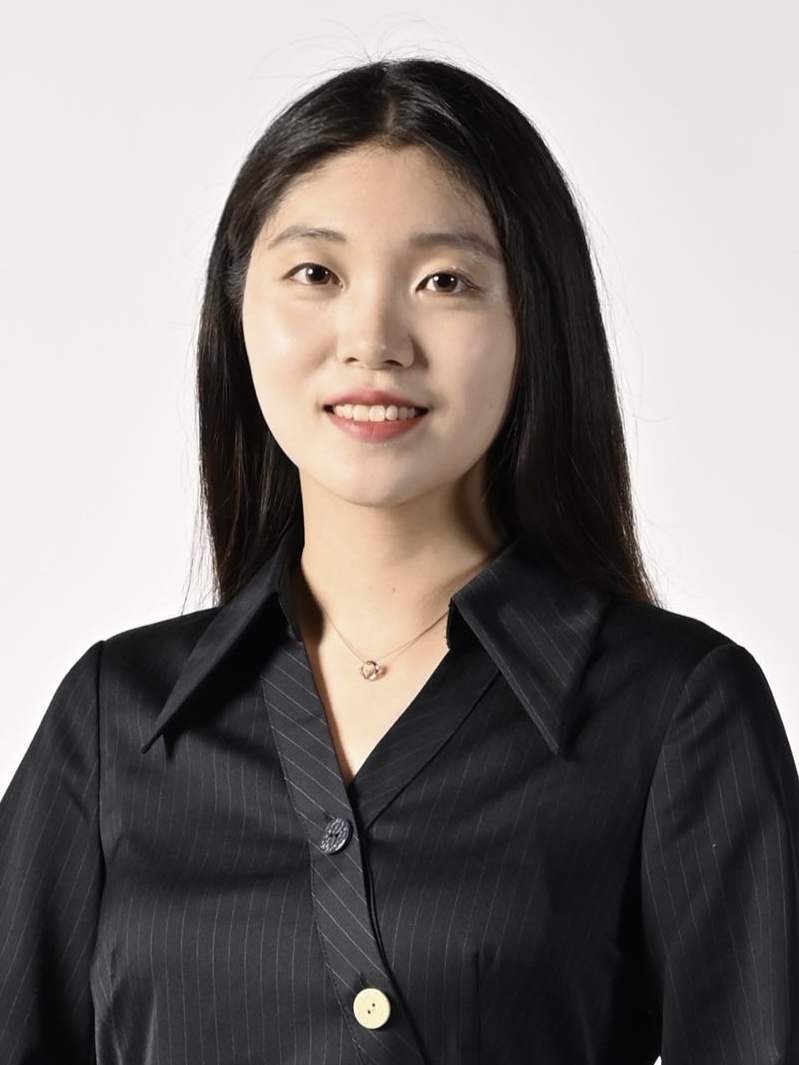
Jiyuan Qi, The Chinese University of Hong Kong
Jiyuan Qi is a Ph.D. student in the School of Journalism and Communication at The Chinese University of Hong Kong. She is a fellow at the Computational Social Science Laboratory (CSSL) at CUHK. Her research focuses on digital inequality, particularly digital harm. She is also involved in developing computational methodologies and leveraging tools for social media data analysis.
Mekhala Saran, National University of Singapore
Mekhala Saran is a PhD student in the Department of Communications and New Media, NUS. Her research is primarily focused on Indian journalism, press freedom, and individual and collective acts of resistance to media oppression in authoritarian and semi-authoritarian contexts. She was formerly a journalist herself (principal legal correspondent at The Quint, India), and her areas of interest additionally include Indian law and society, human rights, and online hate speech.
Yuanyuan Shu (Allysa), Nanjing University
Yuanyuan (Allysa) Shu recently earned her Ph.D. from Nanjing University, specializing in Computational Social Science. With a strong foundation in the science of science and science communication, she leverages large-scale textual and network data to uncover how complex information environments shape collective social psychology and human behavioral dynamics.
Xinyi Tang, Beijing Normal University
Xinyi Tang is a Master's student at Beijing Normal University, currently preparing for PhD applications. Her research interests center on Human-AI relationships and AI for Mental Health. She is looking forward to meeting friends with similar interests at SICSS, and would love to learn from everyone's work and exchange ideas throughout the program.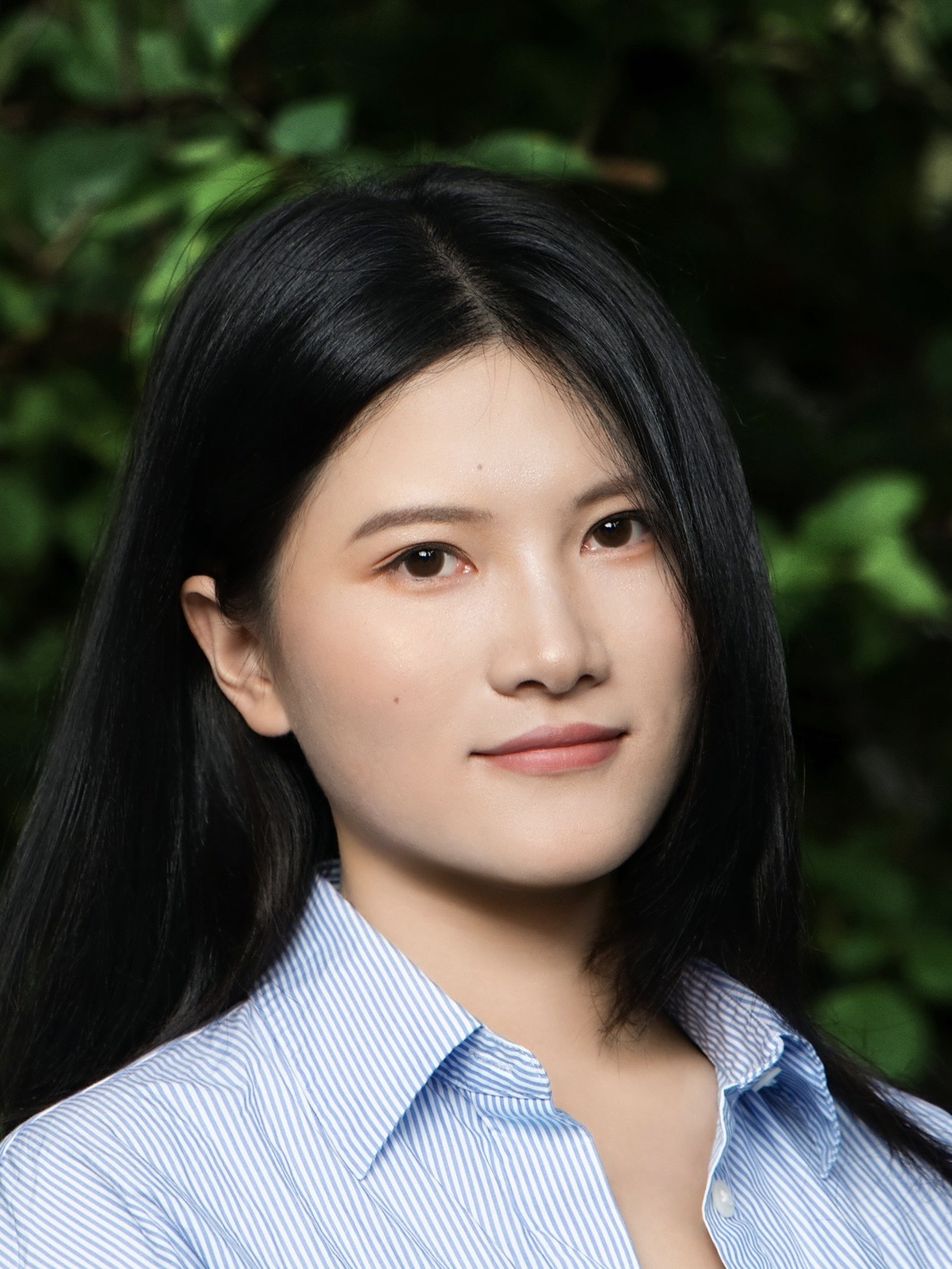
Ying Yu, The Chinese University of Hong Kong, Shenzhen
Ying Yu is an Assistant Professor of Computational Social Science at The Chinese University of Hong Kong, Shenzhen. Her research focuses on computational sustainability, with an emphasis on developing and applying geo-computational approaches to address climate, energy, and equity challenges and inform data-driven policymaking.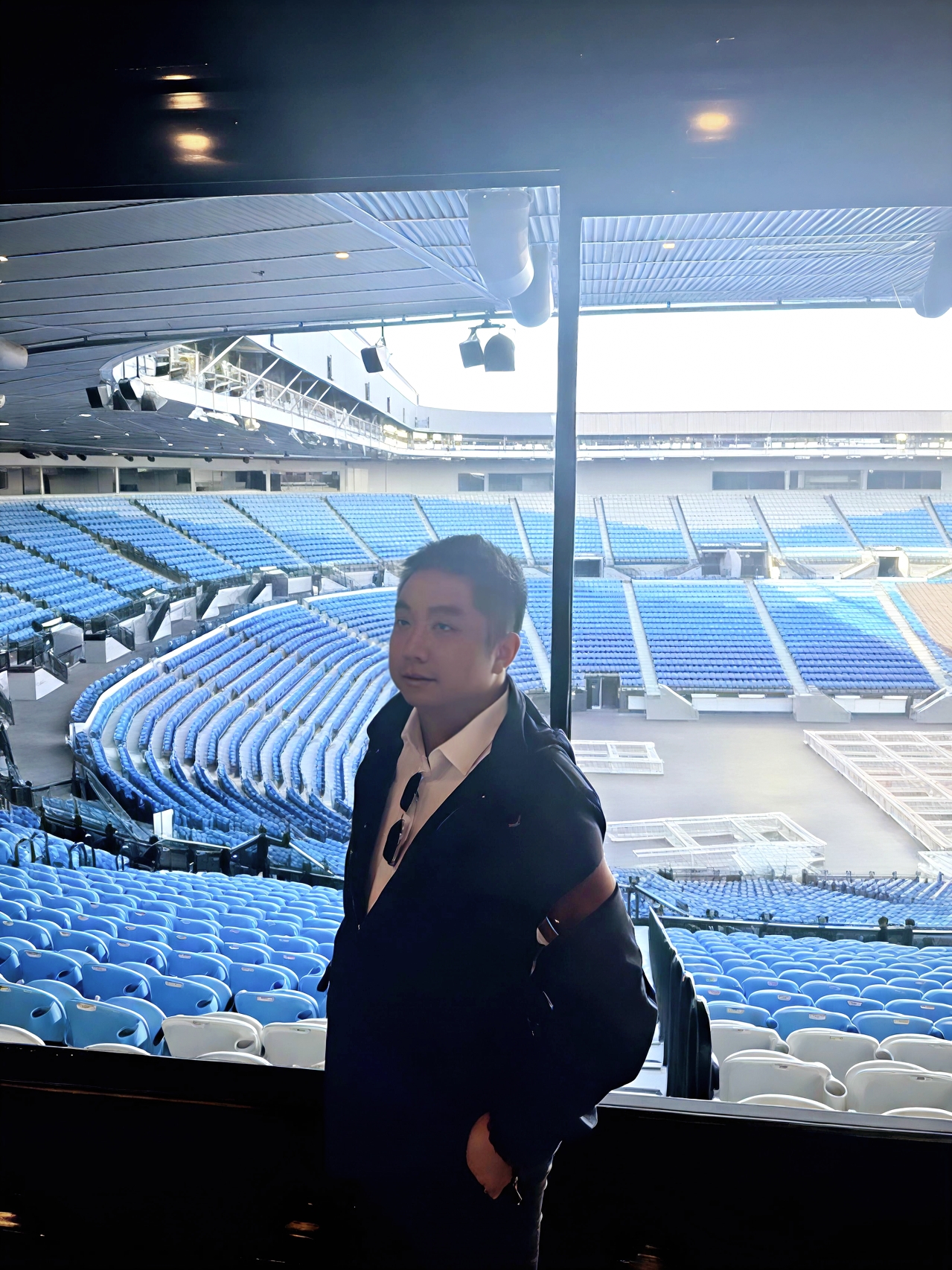
Lin Yumin, Nanyang Technological University
Yumin Lin is a health communication researcher and Research Fellow (Data Scientist) at NTU's Asian Centre for Health Behavioural Insights & Interventions (HABITS). He holds a PhD from NTU, studying palliative care communication with younger generations in Singapore. His research focuses on end-of-life communication, medical decision-making, and health misinformation.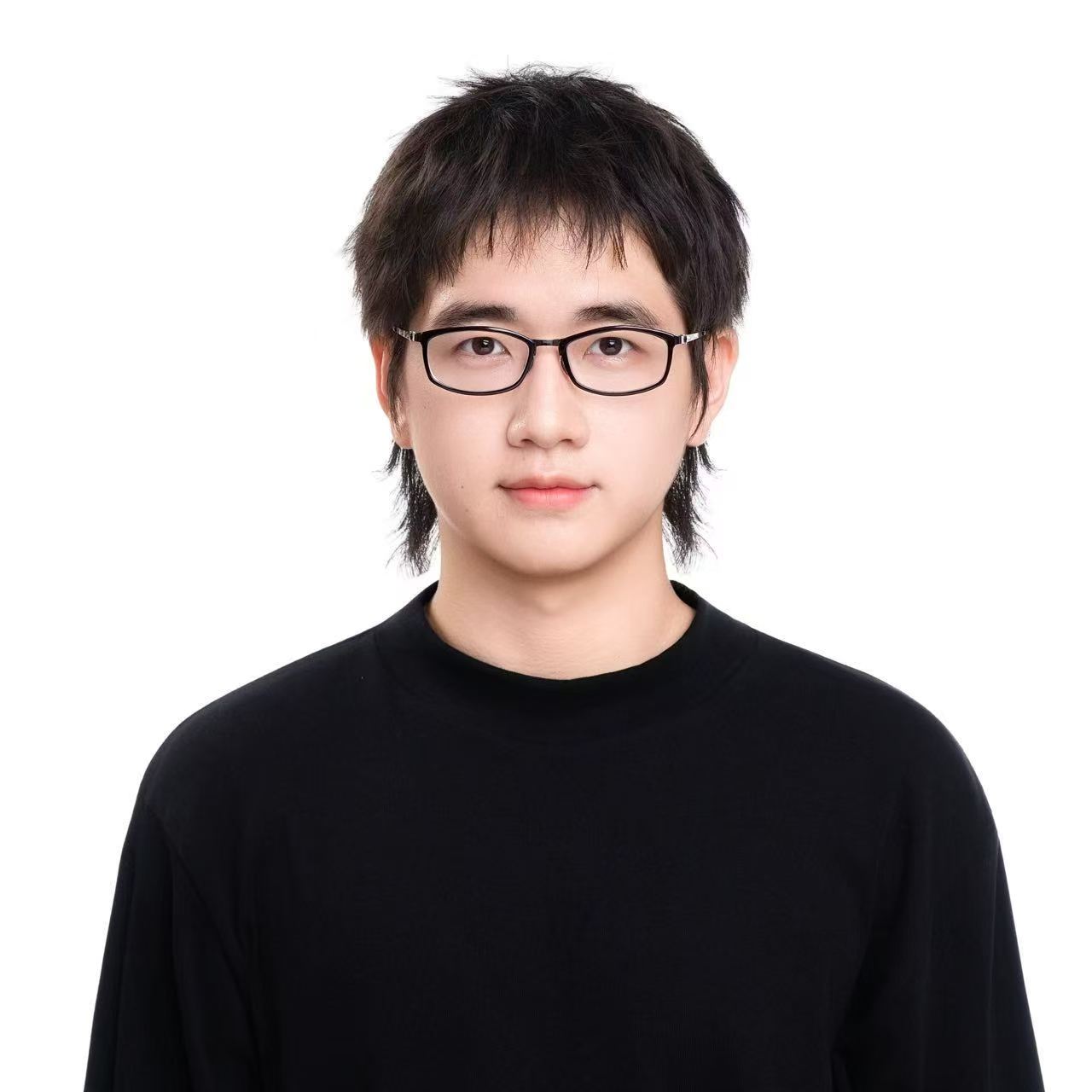
Qinyan Xie, Shenzhen University
Qinyan Xie is a Computational Communication graduate student interested in how AI and text mining can help us understand public opinion, moral emotions, and online discourse. Outside academia, he loves playing football and drums, which keep him energetic, focused, and connected to rhythm.
Siyu Zhang, City University of Hong Kong
Siyu Zhang is a Ph.D. Candidate in Media and Communication at City University of Hong Kong. Her research examines how digital monetization (e.g., live-streaming and influencer economies) shapes political discourse and public participation. Using computational methods, she investigates the temporal evolution and multimodal strategies in political live-streams and influencer content.