People
Faculty
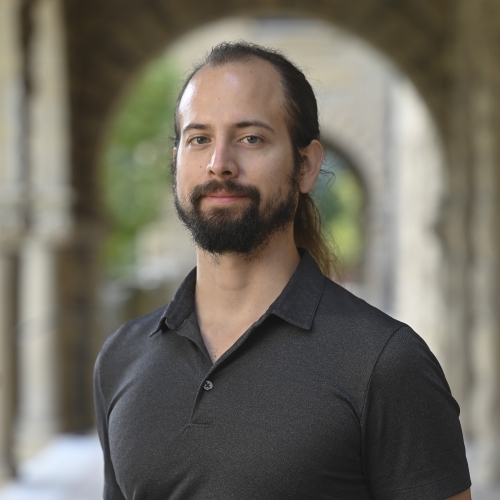
Ronald E. Robertson
Ronald is a research scientist at the Stanford Tech Impact and Policy Center who designs experiments and software to explore human-algorithm interactions in digital spaces, especially as they relate to influence and information seeking. His research on these topics has been published in general interest journals, including Nature, Science Advances, and PNAS, and computer science conferences, such as the Proceedings of the ACM: Human-Computer Interaction, the Proceedings of the Web Conference (WWW), and Proceedings of the International AAAI Conference on Weblogs and Social Media (ICWSM).
Matt DeVerna
Matt DeVerna is a computational social scientist who examines how artificial intelligence is transforming information access and online communication, with a particular focus on social media and search. His research combines large-scale data analysis, experimental methods, and direct interrogation of AI systems to explore the societal consequences of AI-mediated interactions and understand their role in contemporary information ecosystems. He holds a Ph.D. in Informatics from Indiana University and an M.A. in Psychology from New York University.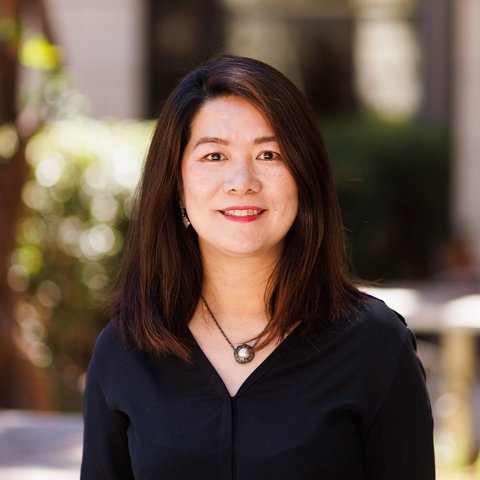
Sunny Xun Liu
Dr. Sunny Xun Liu is the Director of Research at the Stanford Social Media Lab. Dr. Liu's research focuses on the social and psychological effects of social media and AI, social media and well-being, and how the design of social robots impact psychological perceptions.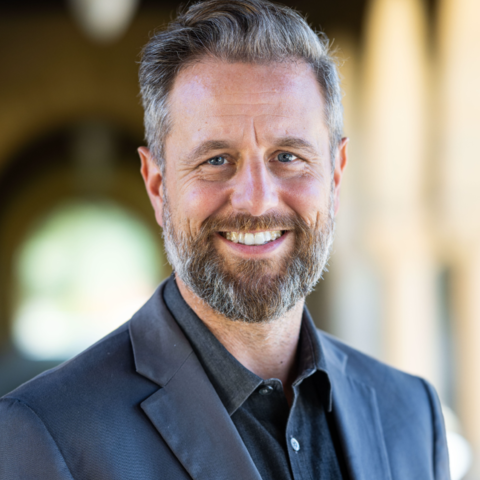
Jeff Hancock
Jeff Hancock is the founding director of the Stanford Social Media Lab and is Harry and Norman Chandler Professor of Communication at Stanford University. Professor Hancock and his group work on understanding psychological and interpersonal processes in social media. The team specializes in using computational linguistics and experiments to understand how the words we use can reveal psychological and social dynamics, such as deception and trust, emotional dynamics, intimacy and relationships, and social support. Recently Professor Hancock has begun work on understanding the mental models people have about algorithms in social media, as well as working on the ethical issues associated with computational social science.Speakers
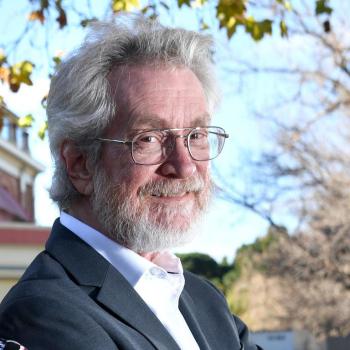
Alex "Sandy" Pentland
Alex "Sandy" Pentland is HAI Center Fellow and faculty lead for digital society at Stanford HAI and Digital Economy Lab, He is Toshiba Professor at MIT, member of US National Academies, Advisor to Abu Dhabi Investment Authority Lab, and formerly advisory board member at UN Secretary General's office, Google, ATT, Telefonica, and elsewhere. Spin-off companies and open source systems from his lab manage authentication of most digital transactions in the world, media for roughly 1B people in far east, and health resources for roughly 0.5B people in the indopacific. His current focus is on problems and opportunities in using AI to improve our social institutions.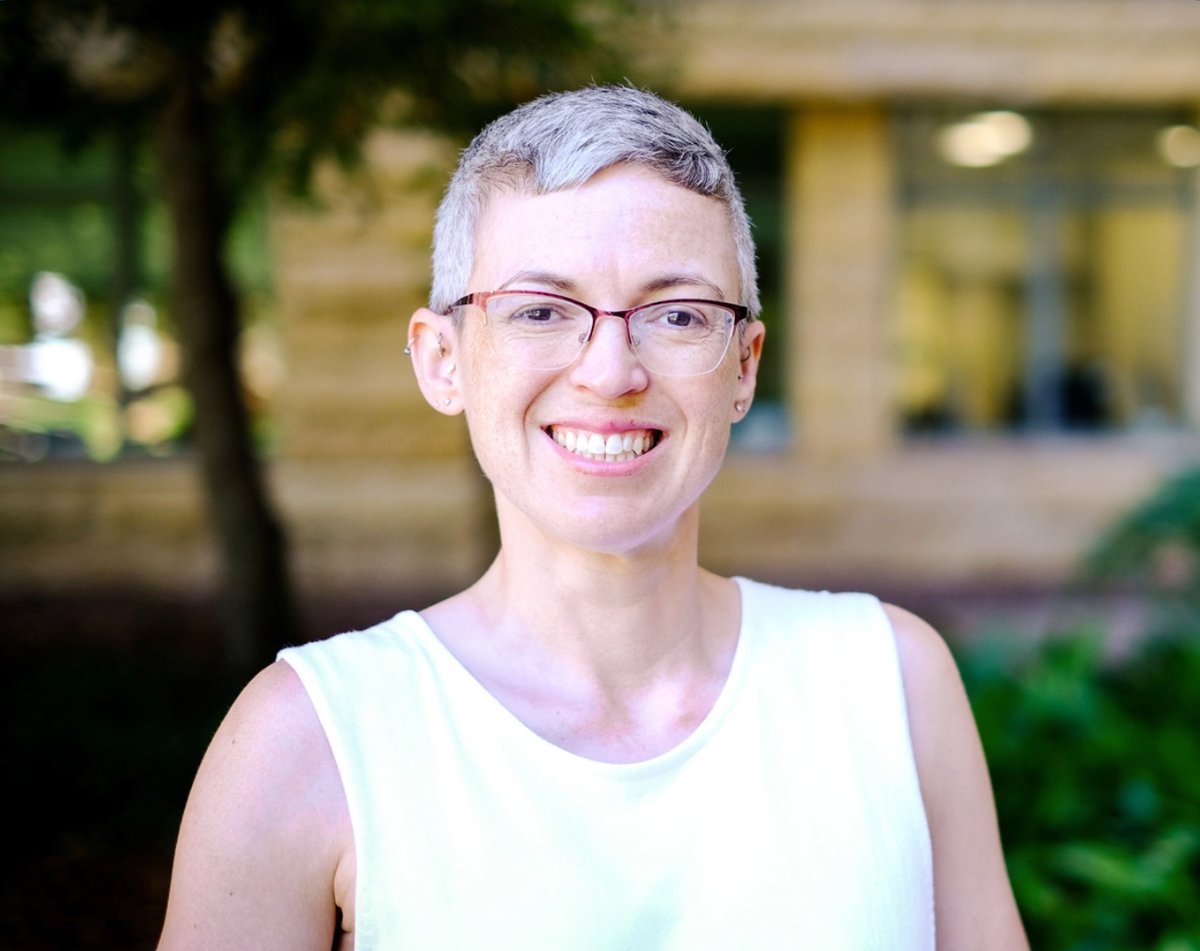
Riana Pfefferkorn
Riana Pfefferkorn is a policy fellow at Stanford HAI. A lawyer by training, Riana researches the law and policy implications of emerging technologies including AI. Her research spans topics in privacy and civil liberties, encryption policy, digital surveillance, cybersecurity, and online trust and safety. Her past work includes analyzing the legal implications and real-world impact of AI-generated child abuse material, predicting the impact of "deepfakes" on evidentiary proceedings in court, studying the system for reporting child exploitation online, and surveying online platforms' use of "content-oblivious" trust and safety techniques, among other topics. Along with her HAI colleague Dr. Jennifer King, Riana is a 2026-2027 Non-Resident Fellow at the Center for Democracy and Technology.
Jennifer Pan
Jennifer Pan is the Sir Robert Ho Tung Professor of Chinese Studies and Professor of Communication at Stanford University, where she also serves as Senior Fellow at the Freeman Spogli Institute for International Studies. Her research examines political communication, digital media, and authoritarian politics, using experimental and computational methods to investigate how censorship, propaganda, and information control operate in the digital age.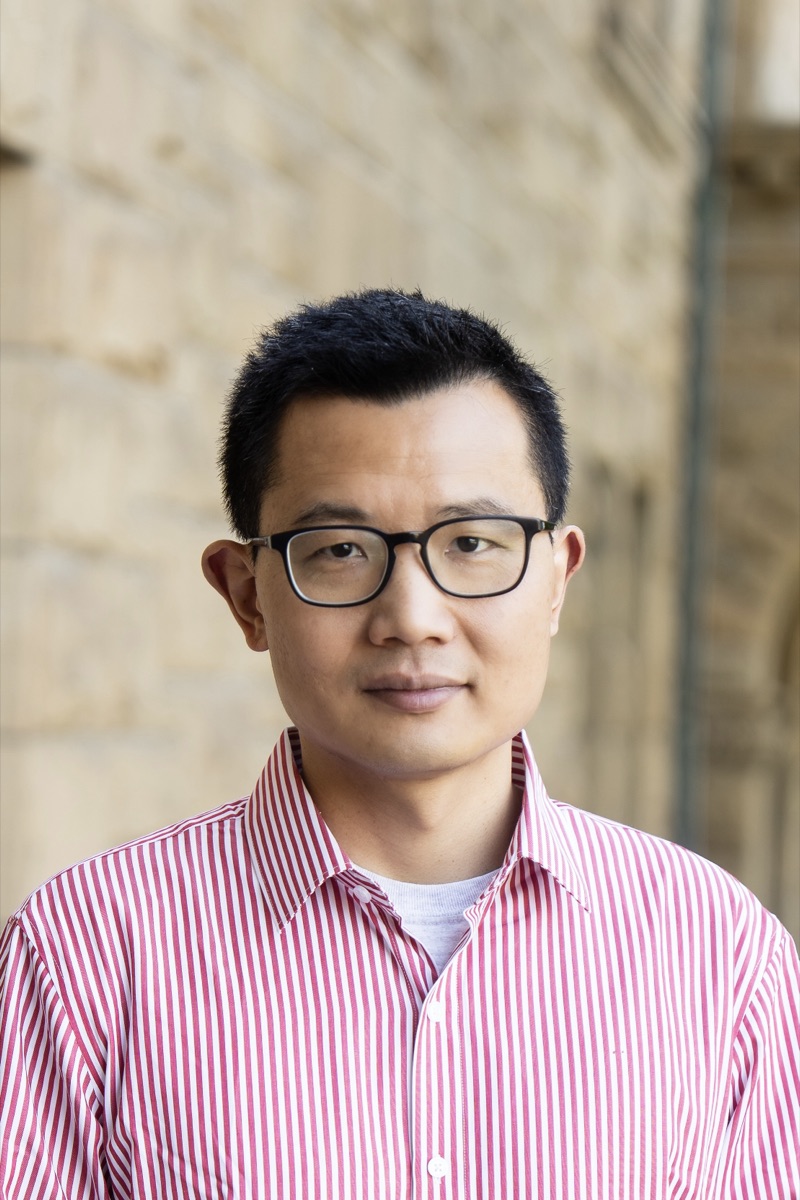
Yiqing Xu
Yiqing Xu is an Associate Professor in the Department of Political Science at Stanford University, and a faculty affiliate at the Stanford Causal Science Center and the Center on China's Economy and Institutions. He received his B.A. in Economics from Fudan University, M.A. in Economics from Peking University, and Ph.D. in Political Science from the Massachusetts Institute of Technology. His primary research areas are causal inference and comparative politics. In recent years, his work has focused on developing and applying causal inference methods for panel data. Professor Xu has received multiple professional awards. In 2024, he was named the Society's Emerging Scholar, an honor recognizing exceptional contributions within ten years of receiving the Ph.D.
Ozgur Can Seckin
Ozgur Can Seckin is a Senior Machine Learning Engineer at Bluesky and an Informatics Ph.D. candidate at Indiana University Bloomington. His research combines computational social science, network science, and artificial intelligence to understand affective polarization. He models how polarization emerges through belief networks, studies how online environments amplify it, and explores how recommender systems and generative AI can reduce its effects. During his doctoral studies, he worked as a Machine Learning Engineer at Plaid and Glassdoor. He holds an M.S. in Data Science from Sabancı University and a B.S. in Economics from Galatasaray University and Université Paris I: Panthéon-Sorbonne.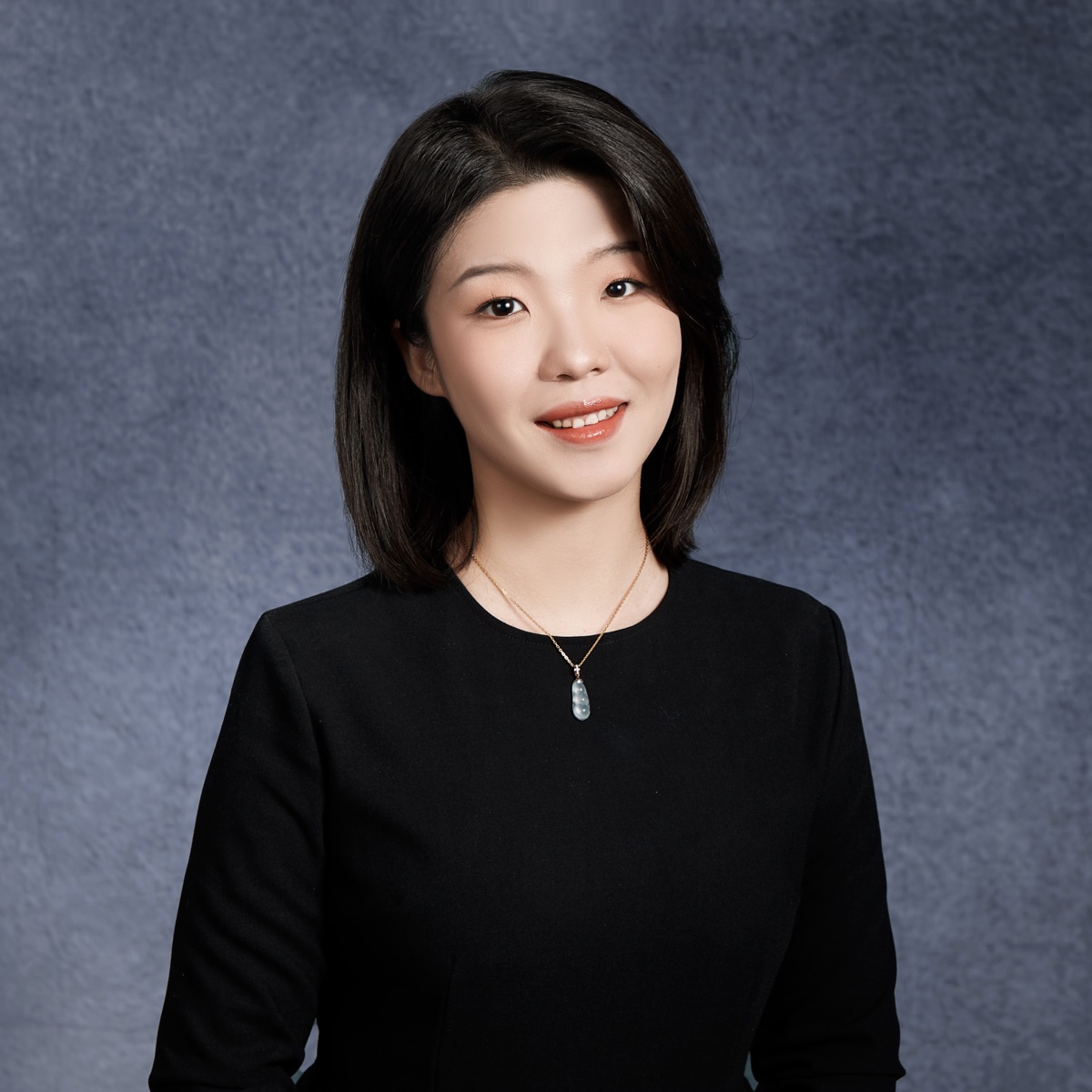
Yingdan Lu
Yingdan Lu is an Assistant Professor in the Department of Communication Studies at Northwestern University. She is the director of the Computational Media and Politics Lab, and the co-director of the Computational Multimodal Communication Lab. Her research focuses on digital technology, political communication, and information manipulation, using and developing computational methods to understand the evolution and engagement of digital propaganda and multimodal communication in AI-mediated environments. Her work has appeared in peer-reviewed journals and conference proceedings, such as Proceedings of the National Academy of Sciences (PNAS), American Journal of Political Science, Journal of Communication, Political Communication, and Human-Computer Interaction. She received her Ph.D. in Communication and a Ph.D. minor in Political Science from Stanford University.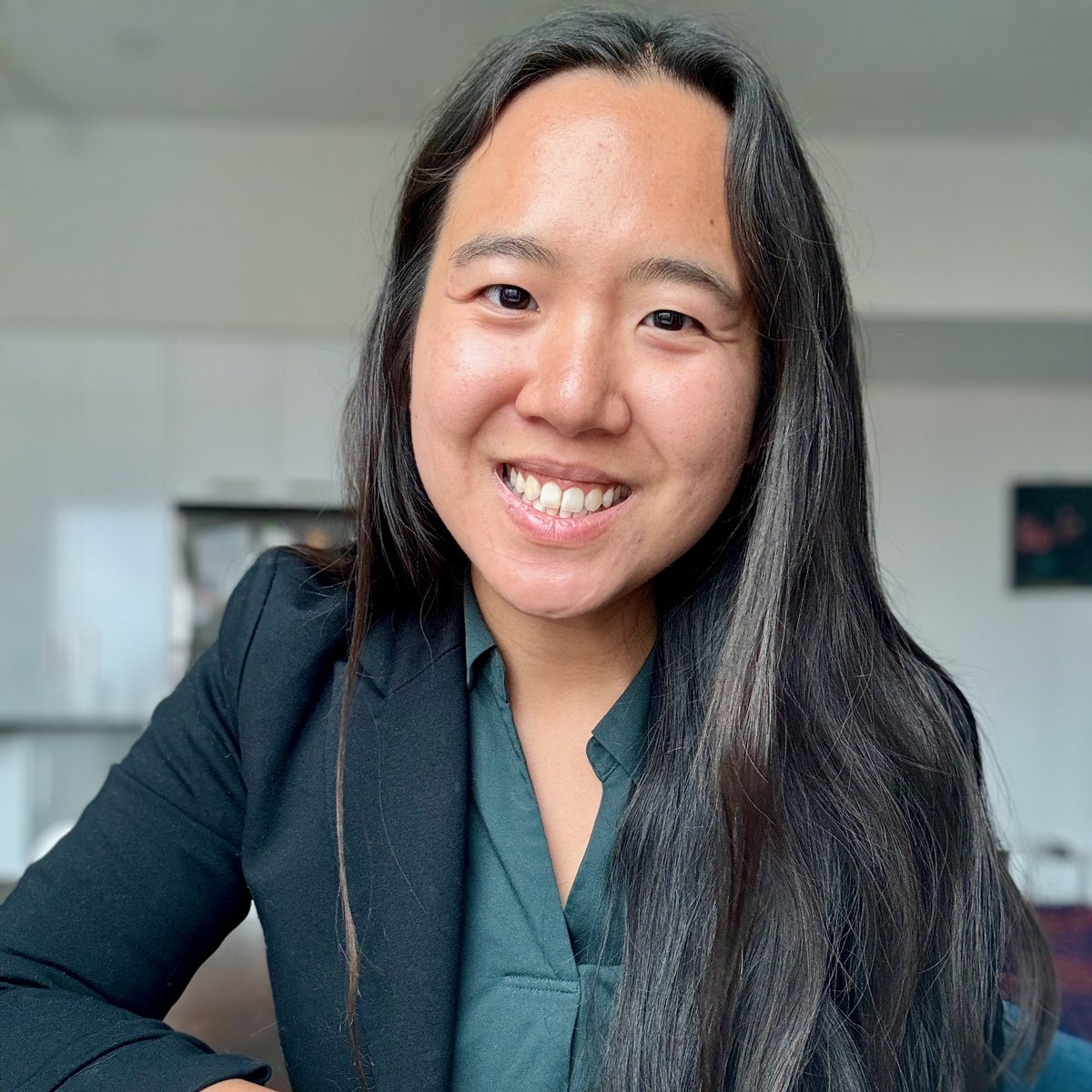
Serina Chang
Serina Chang is an Assistant Professor at UC Berkeley, jointly appointed in EECS and Computational Precision Health and part of the Berkeley AI Research Lab (BAIR). Previously, she completed her PhD in CS at Stanford University and a postdoc at Microsoft Research in the Computational Social Science group. Her research falls at the intersection of AI and human behavior, including human-AI interaction, simulating human behaviors with AI, and developing AI tools for societal decision-making. Her work is recognized by Forbes 30 under 30, the ACM SIGKDD Dissertation Award, KDD Best Paper Award, Google Research Scholar Award, EECS Rising Stars, and Rising Stars in Data Science, and has received coverage from over 650 news outlets, including The New York Times and The Washington Post.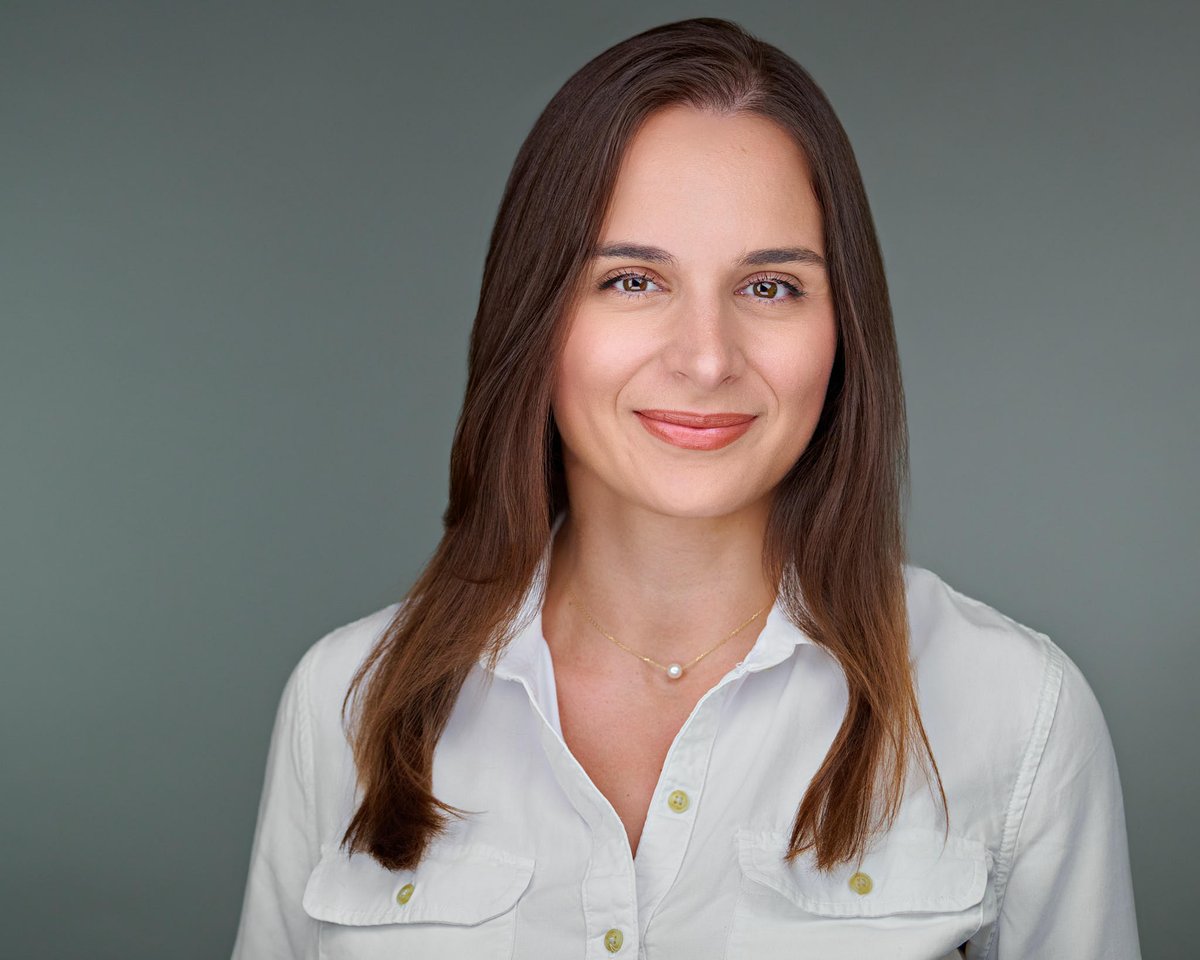
Tijana Zrnic
Tijana Zrnic is an Assistant Professor at Stanford University, jointly appointed in Statistics, Management Science & Engineering, and, by courtesy, Computer Science. She is also a Member of Technical Staff at Arena. Her work develops foundations for reliable, valid, and trustworthy data-driven conclusions, especially in contexts involving AI. Previously she was a Ram and Vijay Shriram Postdoctoral Fellow at Stanford University, affiliated with Stanford Data Science, and a PhD student in Electrical Engineering and Computer Sciences at UC Berkeley.
Elise Leyan Han
Elise (Leyan) Han is a first-year CS PhD student at Stanford. She is interested in the intersection of machine learning and statistics, especially in ensuring the reliability and safety of modern AI systems. Previously, she was an undergraduate student at Columbia University.
Luca Luceri
Luca Luceri is a Research Assistant Professor at the University of Southern California (USC) and Lead Scientist at the USC Information Sciences Institute (ISI), where he directs the SIGNALS Lab. His research sits at the intersection of machine learning, network science, and computational social science, with a focus on understanding and mitigating emergent harmful behaviors in complex socio-technical and AI-driven systems. Luceri's work advances the safety and resilience of AI-mediated information environments, including the development of detection and measurement frameworks for coordinated inauthentic behavior, influence operations, and the spread of harmful content across human and AI agent networks. His long-term research agenda centers on building the scientific foundations for trustworthy, accountable AI systems, including governance-relevant measurement tools that bridge technical findings and policy. Luceri is PI on DARPA and AFRL projects, and mentors 7 PhD students and 6 master's and undergraduate researchers at the SIGNALS Lab.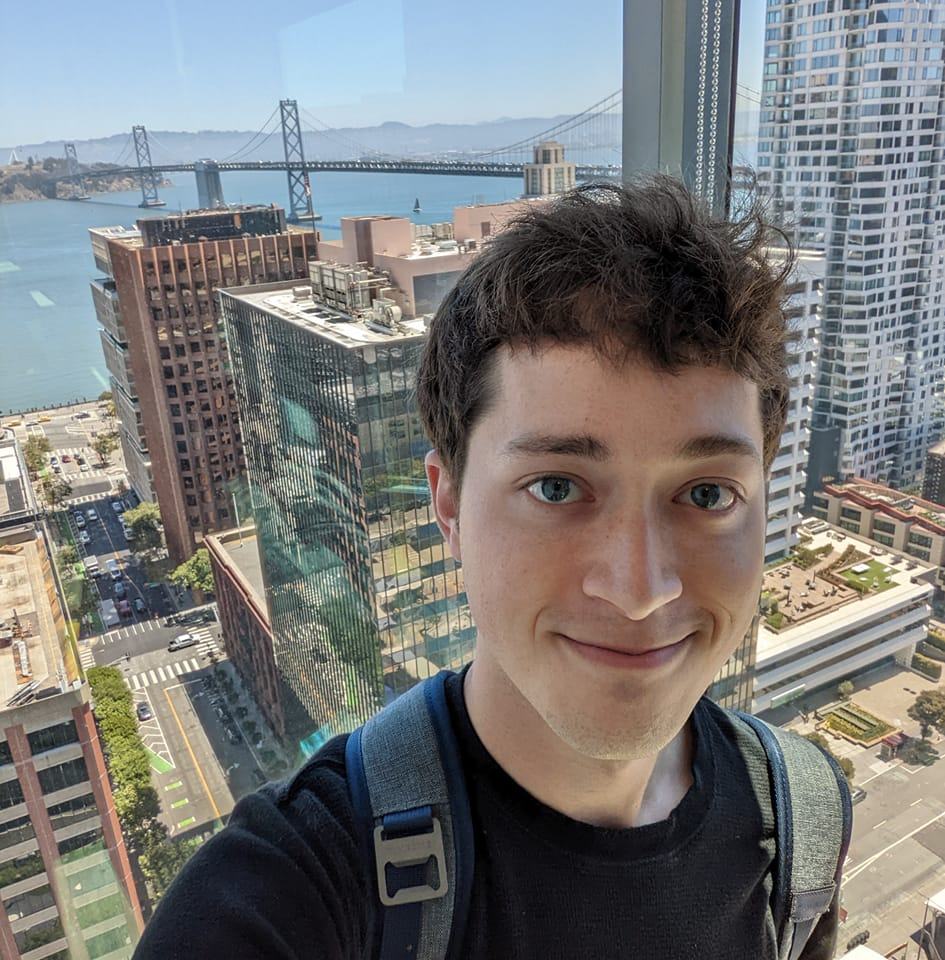
Caleb Ziems
Caleb is a PhD student in the NLP Group at Stanford University, where he is advised by Prof. Diyi Yang. Caleb is interested in evaluating the social intelligence and cultural competence of Large Language Models, especially for applications in the social sciences. Previously, he obtained an M.S. from Georgia Tech and a B.S. from Emory University, and he has spent some of his summers interning at Meta AI Applied Research.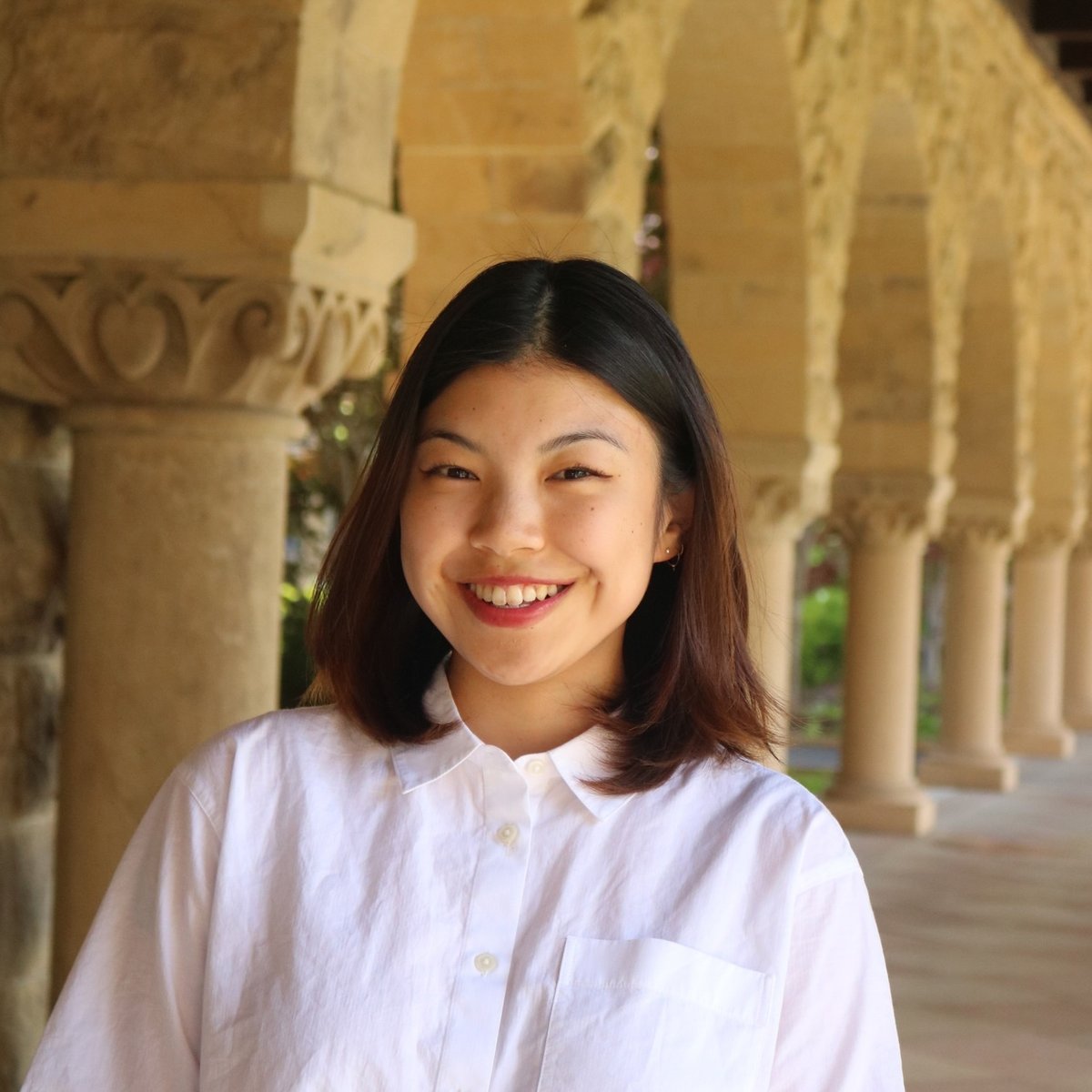
Myra Cheng
Myra Cheng is a PhD candidate in computer science at Stanford. Her research interest is in building language technologies that promote human agency and wellbeing. She develops large-scale computational methods for understanding and improving human-AI interaction and the societal impacts of AI. Her work on measuring AI sycophancy and its impacts was featured on the cover of Science. Her research has been published in Nature, Science, and top computer science venues (ICLR, ACL, EMNLP, FAccT), won awards including the ACL Best Social Impact Paper Award, and received widespread media coverage. She is a Knight-Hennessy Scholar and NSF Graduate Research Fellow.Teaching Assistants
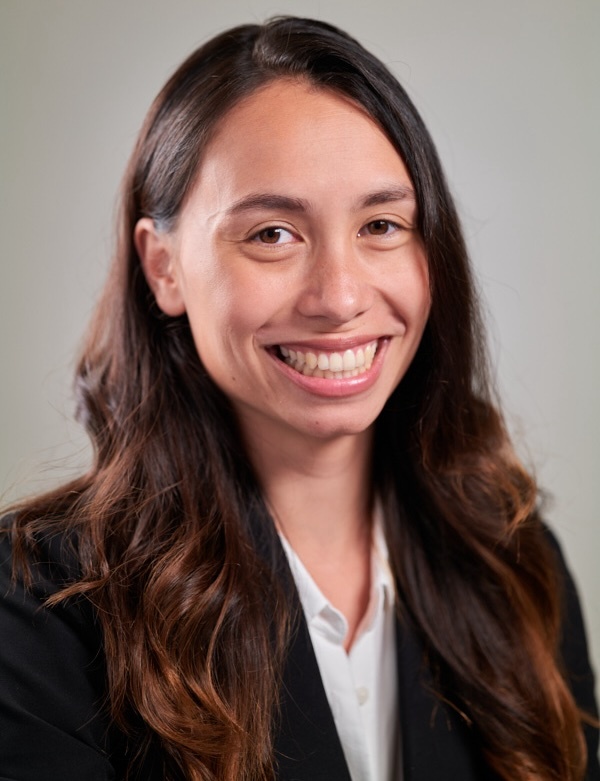
Sarah Wu
Sarah is a PhD student in the Stanford Communication Department, focusing on media psychology. Her research examines the psychological consequences of people's engagement with digital technologies (e.g., AI, social media), particularly in educational and creative contexts.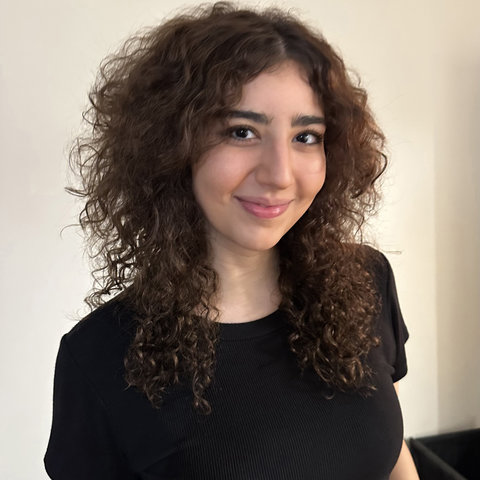
Aya Salim
Aya is a PhD student in Media Psychology in the Department of Communication at Stanford. Her research explores how people process and respond to information in complex media environments. She is particularly interested in social norms, political psychology, misinformation, and how media shape attitudes and decision-making.Participants
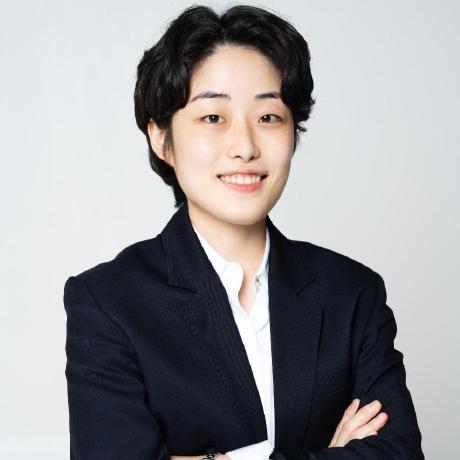
Do Won Kim
Do Won Kim is a Ph.D. candidate in Information at the University of Maryland. She studies how AI and digital information systems shape democratic processes. Using experiments and computational methods, she designs and tests interventions aimed at building healthier information environments for democratic societies.
Xuanlong Qin
Xuanlong is a Ph.D. candidate in the Department of Sociology at the Chinese University of Hong Kong. His research interests focus on the application of computational approaches to sociological questions. His current work involves measuring social perceptions (e.g., stereotypes, social evaluations, and social trust) and understanding their mechanisms from a structural perspective.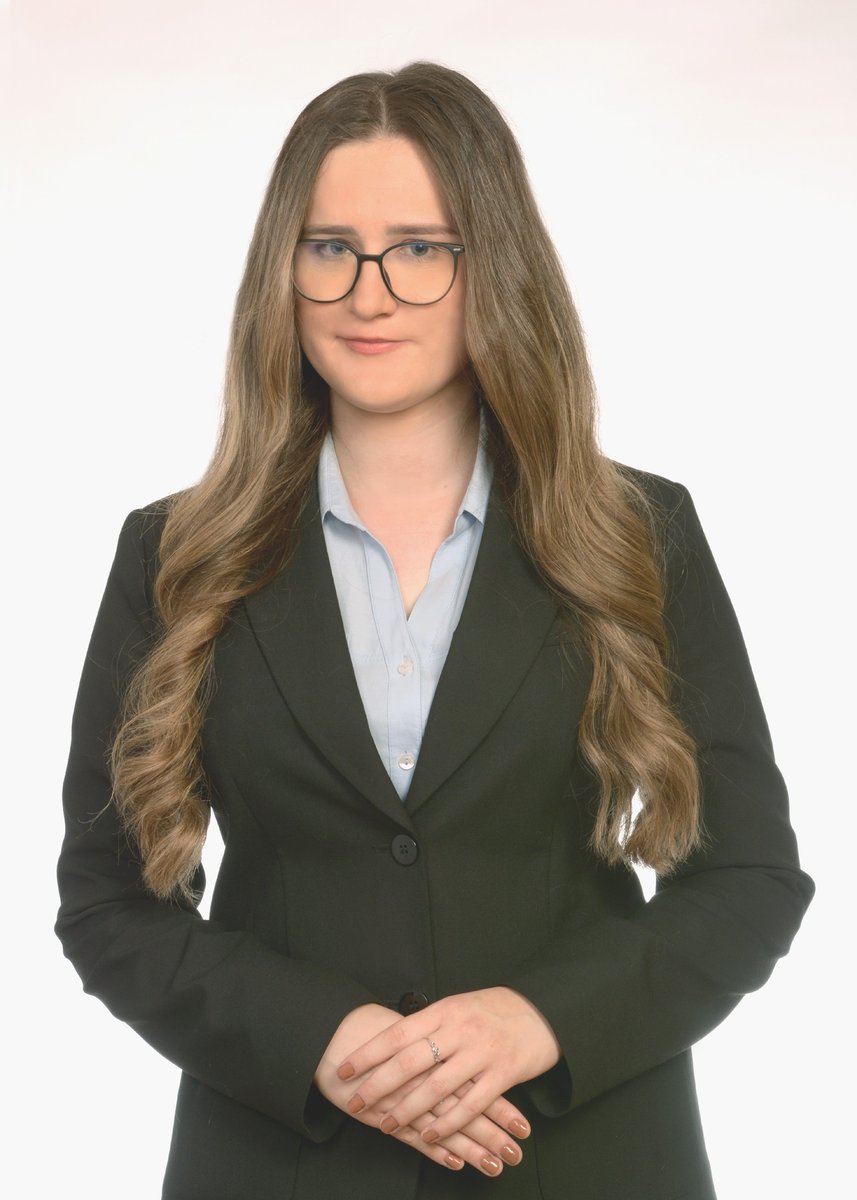
Maria Lipińska
Maria Lipińska is a digital sociologist and PhD student in Management at Kozminski University. She is a researcher on a project investigating online disinformation, and she is also examining AI-related topics within the EUonAIR and AISOME projects.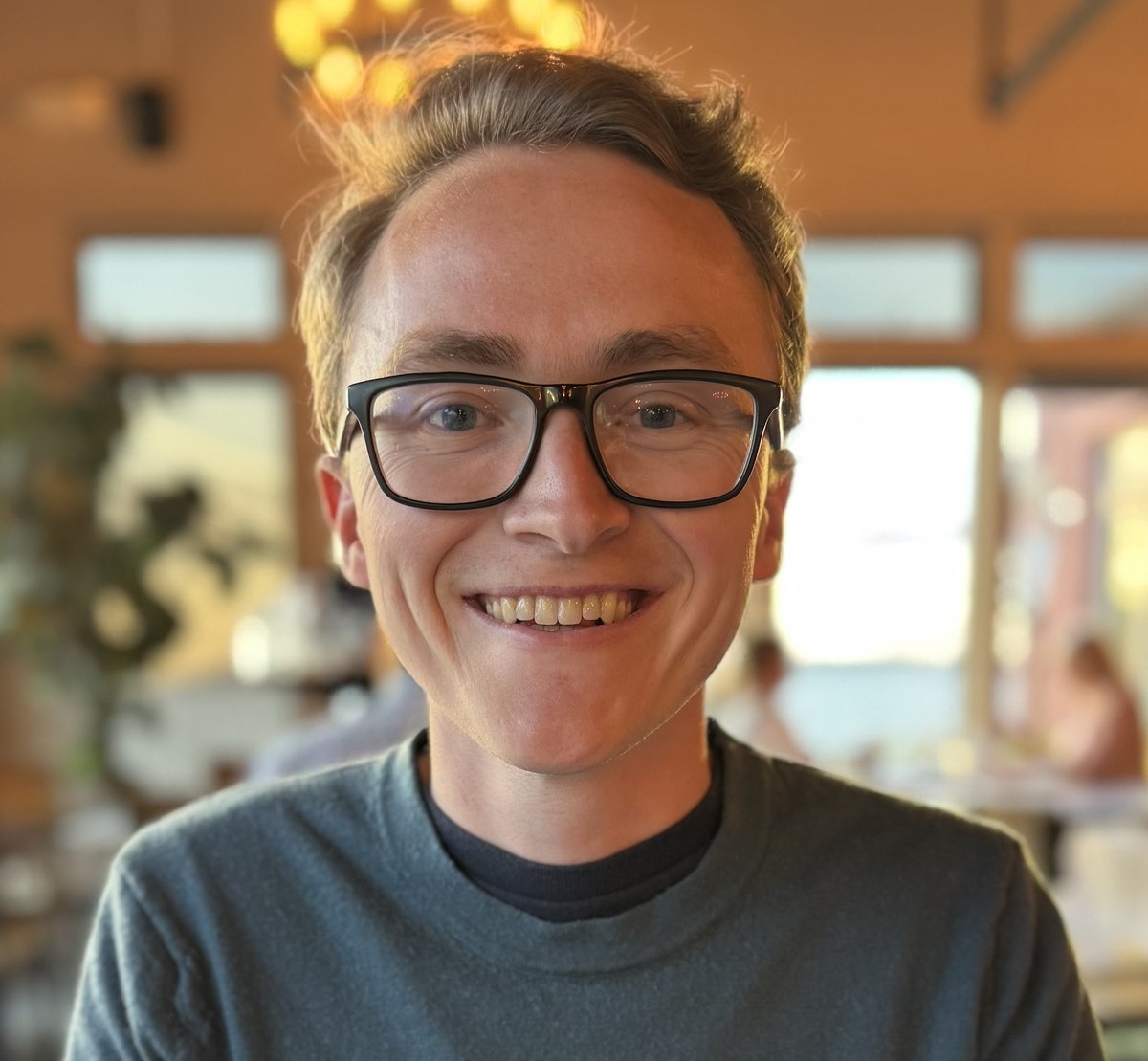
Patrick Wade
Patrick Wade is a PhD student in Sociology at the University of California, Davis. His research interests include organizational sociology, finance, culture, and decision-making. Currently, he is working on a project applying computational text analysis and network methods to study group interactions between policymakers that result (or fail to result) in consensus decisions, focusing on the case of the Federal Reserve in the 1970s and '80s. Prior to graduate school, Patrick worked at the Federal Reserve and received his BS in Finance from Santa Clara University.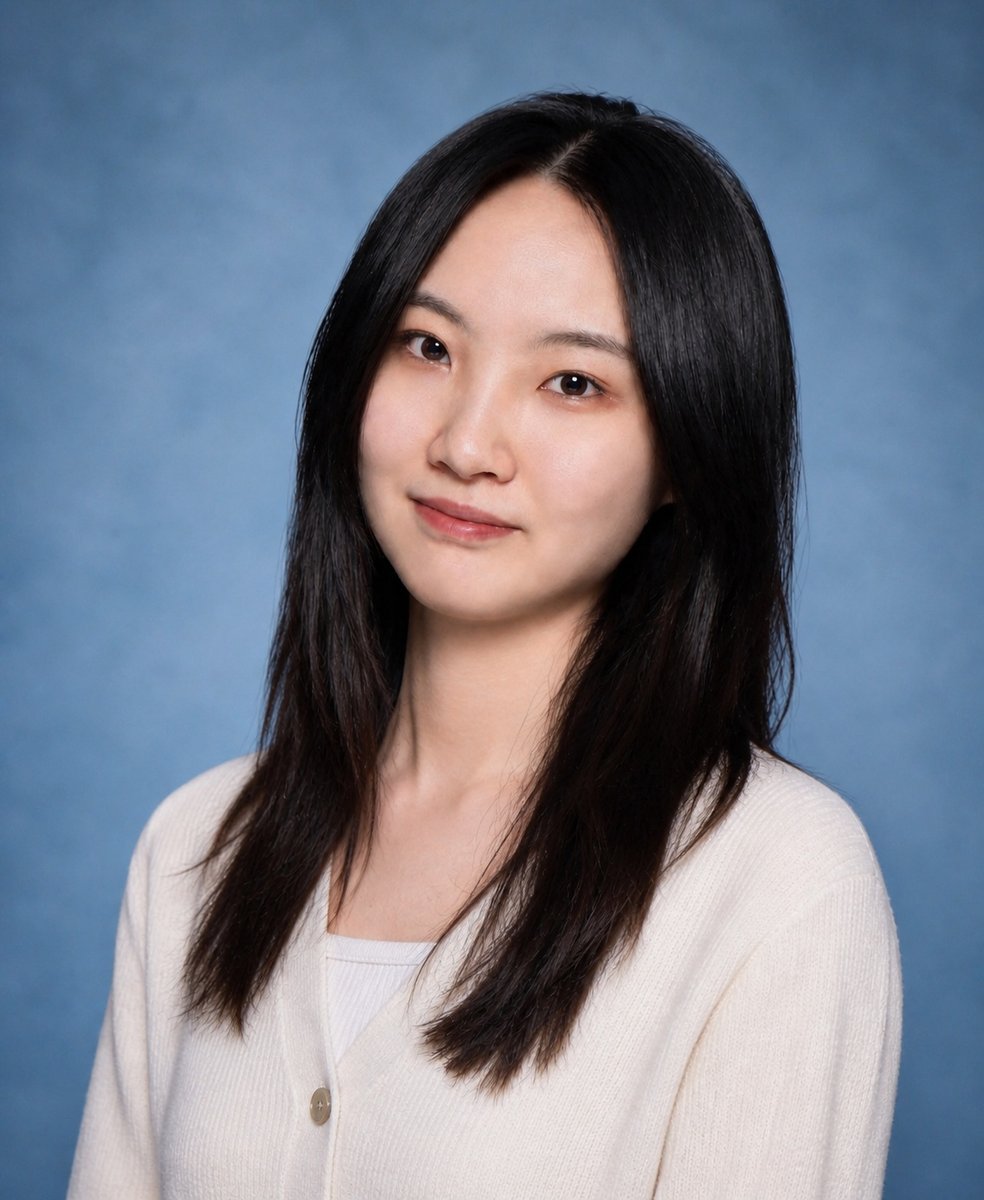
Xinyi Liu
Xinyi Liu is a Ph.D. student in the Media, Technology & Society program at Northwestern University and a member of the Computational Media and Politics (COMAP) Lab, advised by Dr. Yingdan Lu. Her research examines how social media algorithms and generative AI shape information flows and political communication across comparative contexts. Methodologically, she applies causal inference and computational multimodal analysis to analyze large-scale visual and video data.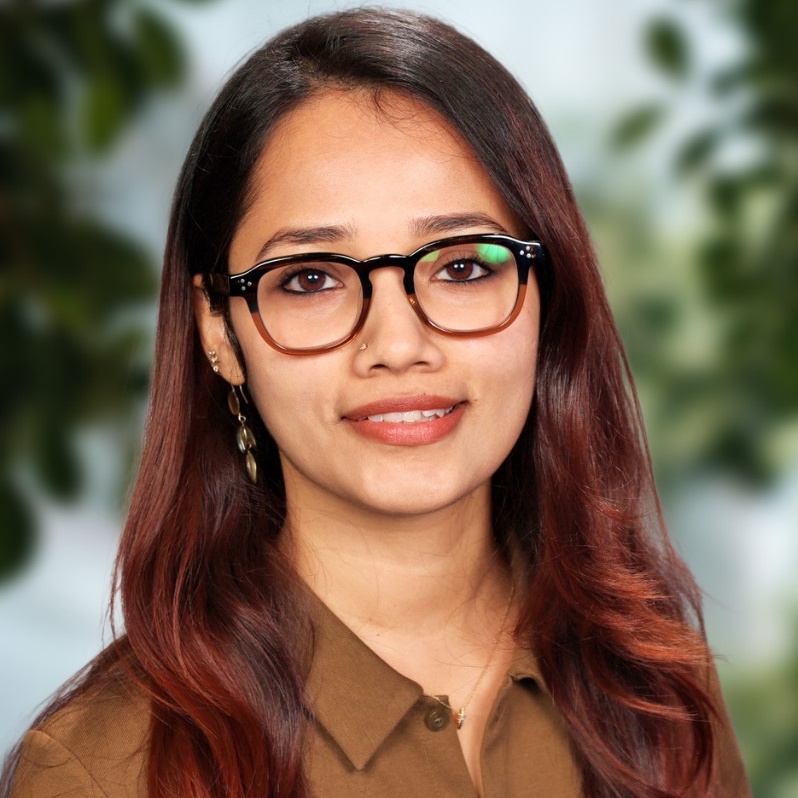
Fazli Salim
Fazli Salim is a PhD student in social psychology at Boston College. Her research examines how false causal narratives shape policy responses to systemic crises in social and environmental domains, with developing research in computational social science.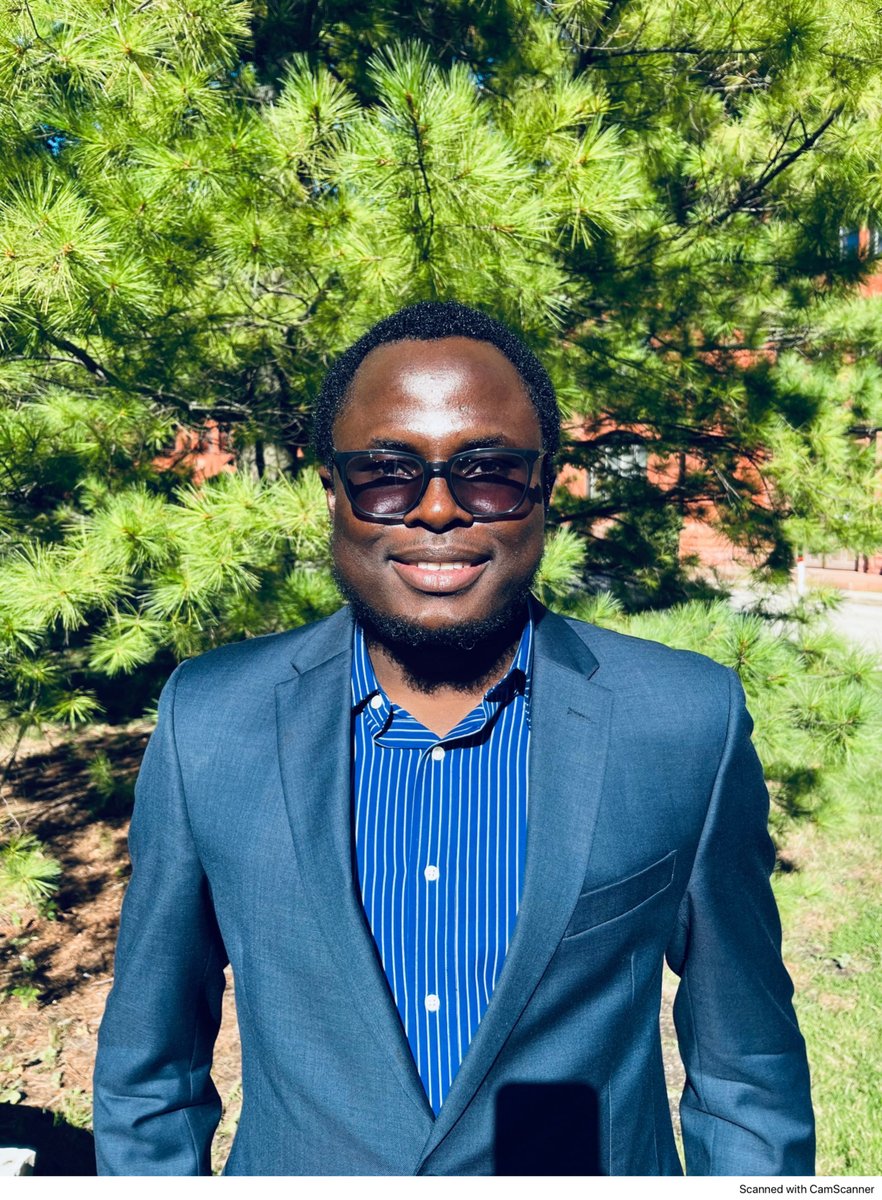
Dennis Okeke
Dennis E. Okeke is a 3rd-year Ph.D. student in Media Research and Practice at the University of Colorado Boulder. His research focuses on how identities and other political affiliations are represented and contested in digital spaces across Africa and the United States. Dennis's work has been published in leading communication and media studies journals. He is an award-winning teacher and mentor who promotes critical, transnational, computational, and decolonial approaches to digital media studies.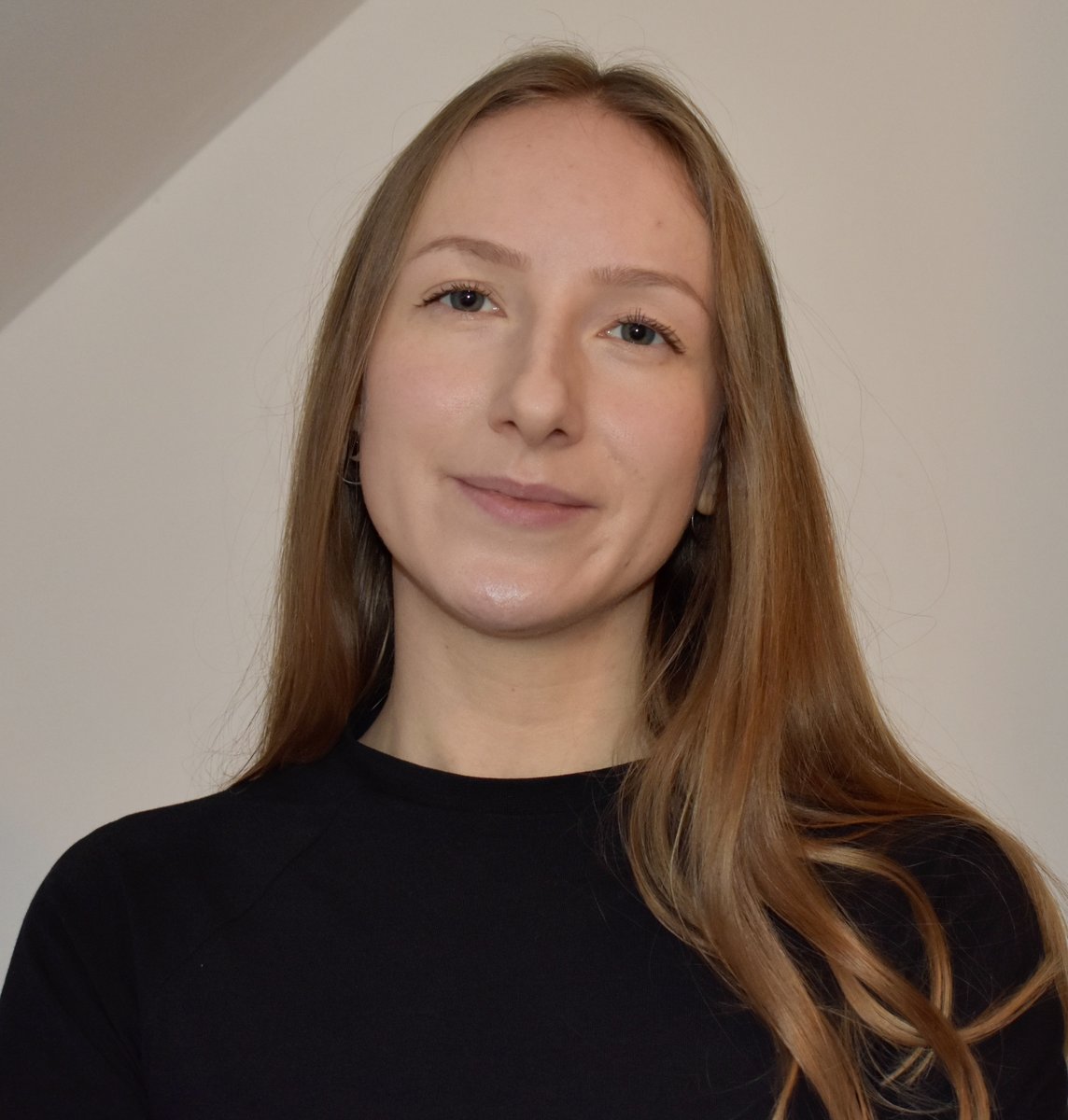
Lisa Wunsch
Lisa Wunsch is a PhD student in Sociology at the University of Wuppertal, Germany. Her research examines broader patterns of social inequality, with a particular focus on (academic) labor markets and partnership dynamics. She is especially interested in how social signals, norms, and preferences shape inequality and partner selection in increasingly digital environments, drawing on experimental and computational approaches.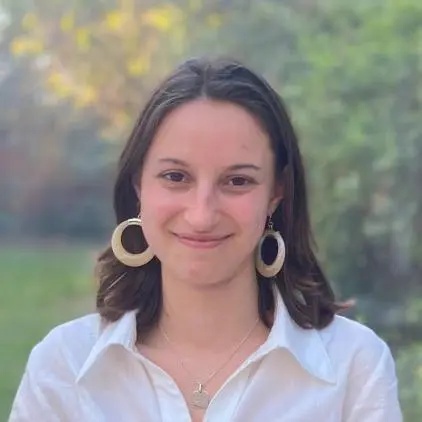
Sol Zoe Nottage
Sol Zoe Nottage is a Fulbright Scholar from Argentina and an M.S. candidate in Applied Quantitative Methods and Social Analysis at Northeastern University. She serves on the Steering Committee of the Arms Trade Treaty Monitor, where she developed the Arms Trade Treaty Transfers Dashboard and supported research on global arms transfer transparency. Her research applies computational social science, NLP, and machine learning to large-scale text analysis, with the goal of strengthening public policy research and computational social science capacity across Latin America.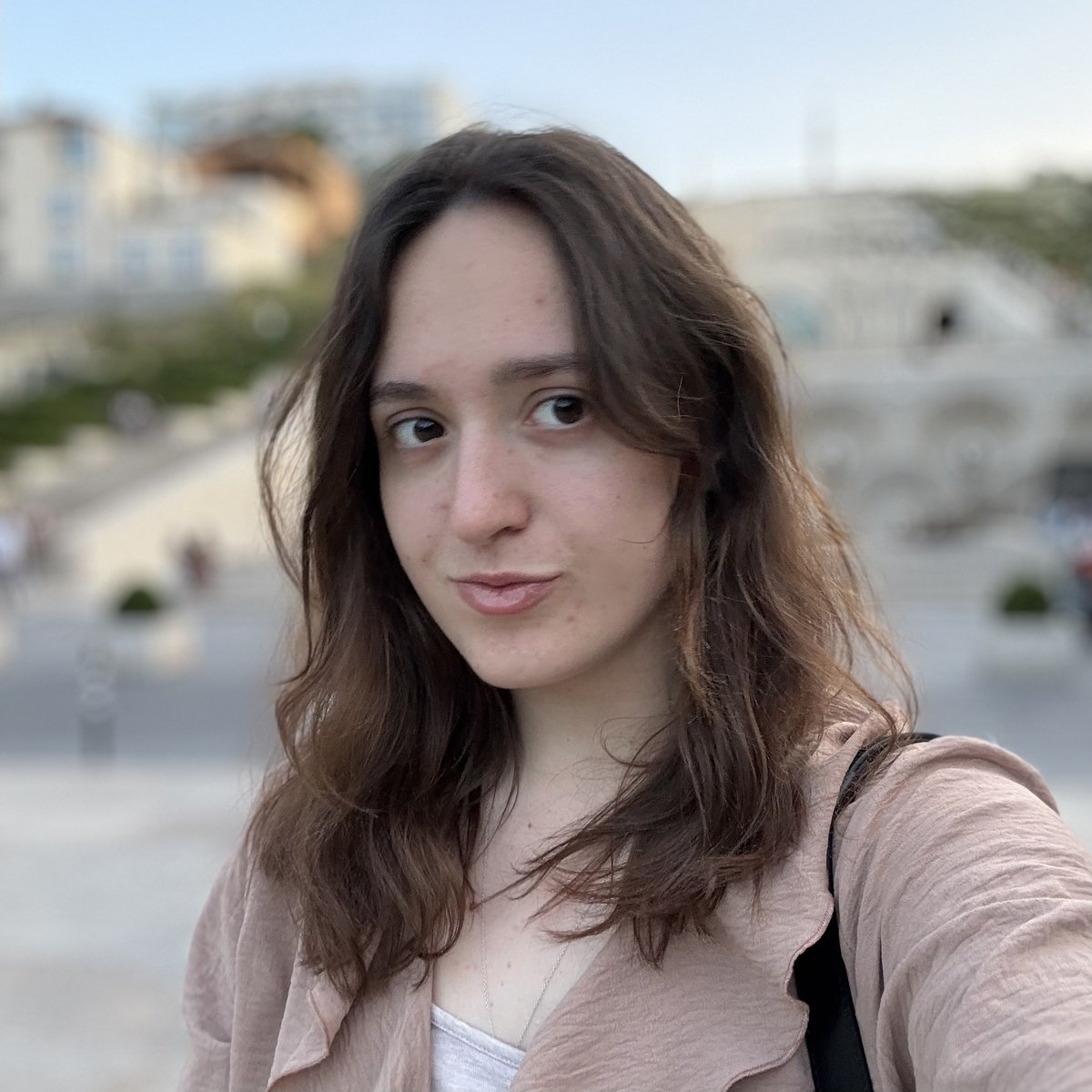
Alina Khamatdinova
Alina is a PhD candidate in Political Science at Washington State University, working at the intersection of security studies, political psychology, and computational social science. In her research, she uses text-as-data methods to study bottom-up moral mobilization in active wars.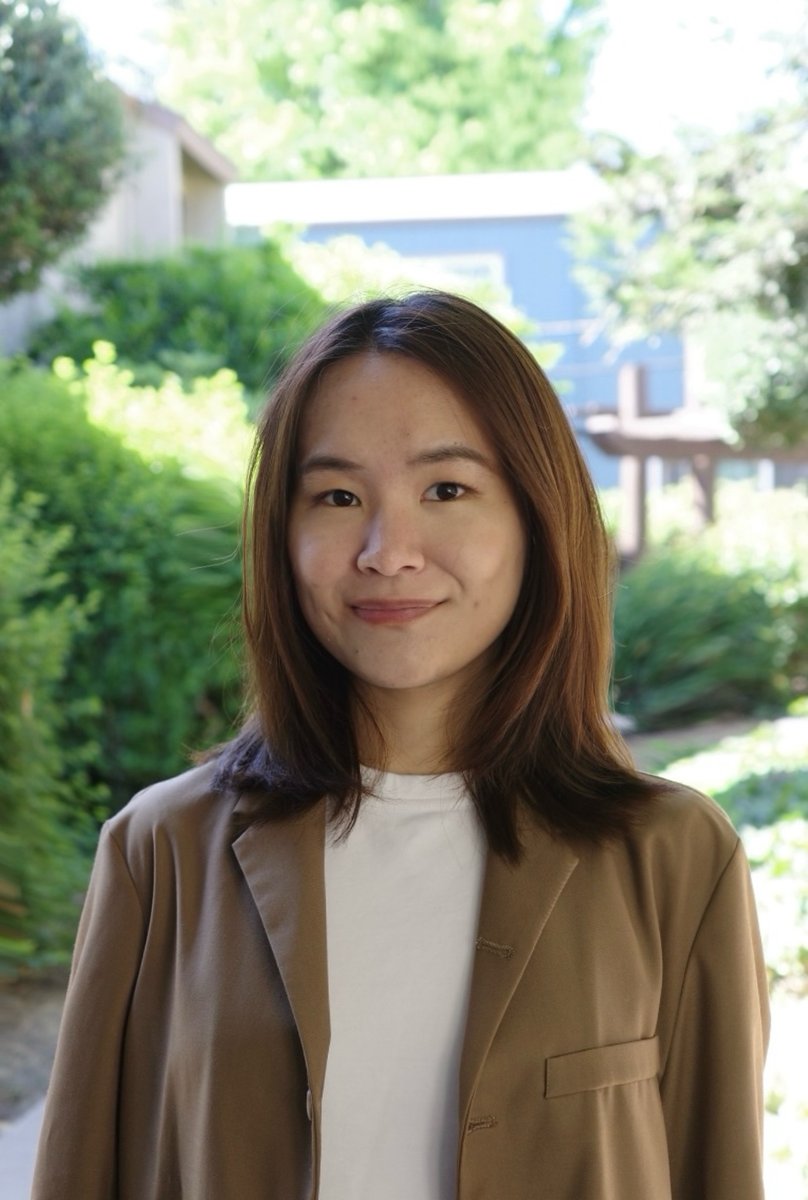
Yifei Lu
Yifei Lu is a Ph.D. student in Communication at the University of Pennsylvania. Her research focuses on mobile and interpersonal communication, with an emphasis on understanding the dynamics of conversations and social interaction. She draws on ecologically valid methods as well as computational approaches to study these processes in everyday contexts.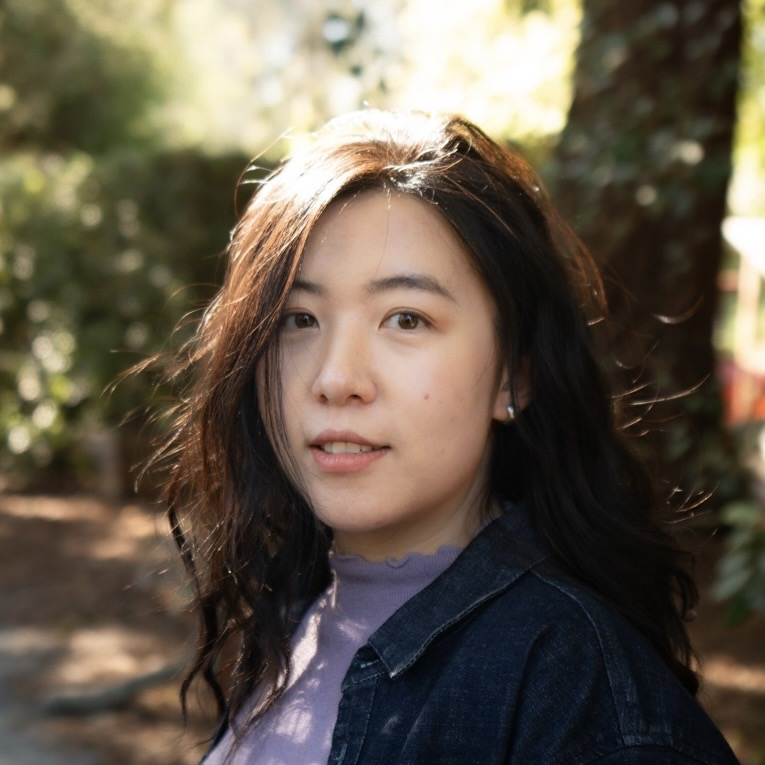
Weiying Li
Weiying is a postdoctoral researcher at UC Berkeley's School of Education. Her research designs AI dialog systems that help students learn complex science topics while engaging social justice issues like food access. She works with teachers as co-designers and uses NLP methods to study learning trajectories in AI dialogs.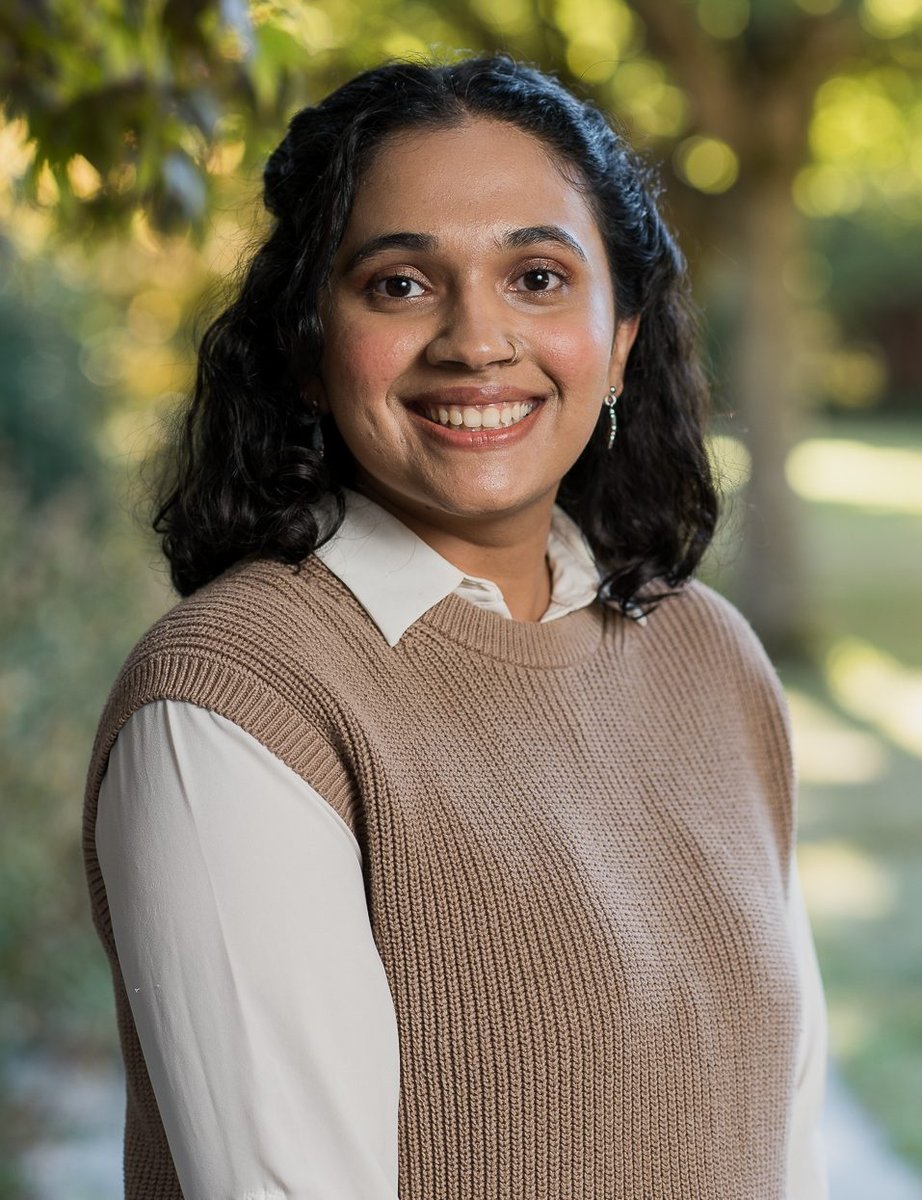
Sakshi Sahakari
Sakshi Sahakari (she/her) is a PhD student in psychology at the University of British Columbia. Her research explores how normative experiences vary across space and time. With big data and computational social sciences, she is currently examining the evolution of cultural differences in individual- and institutional-level social norm regulation.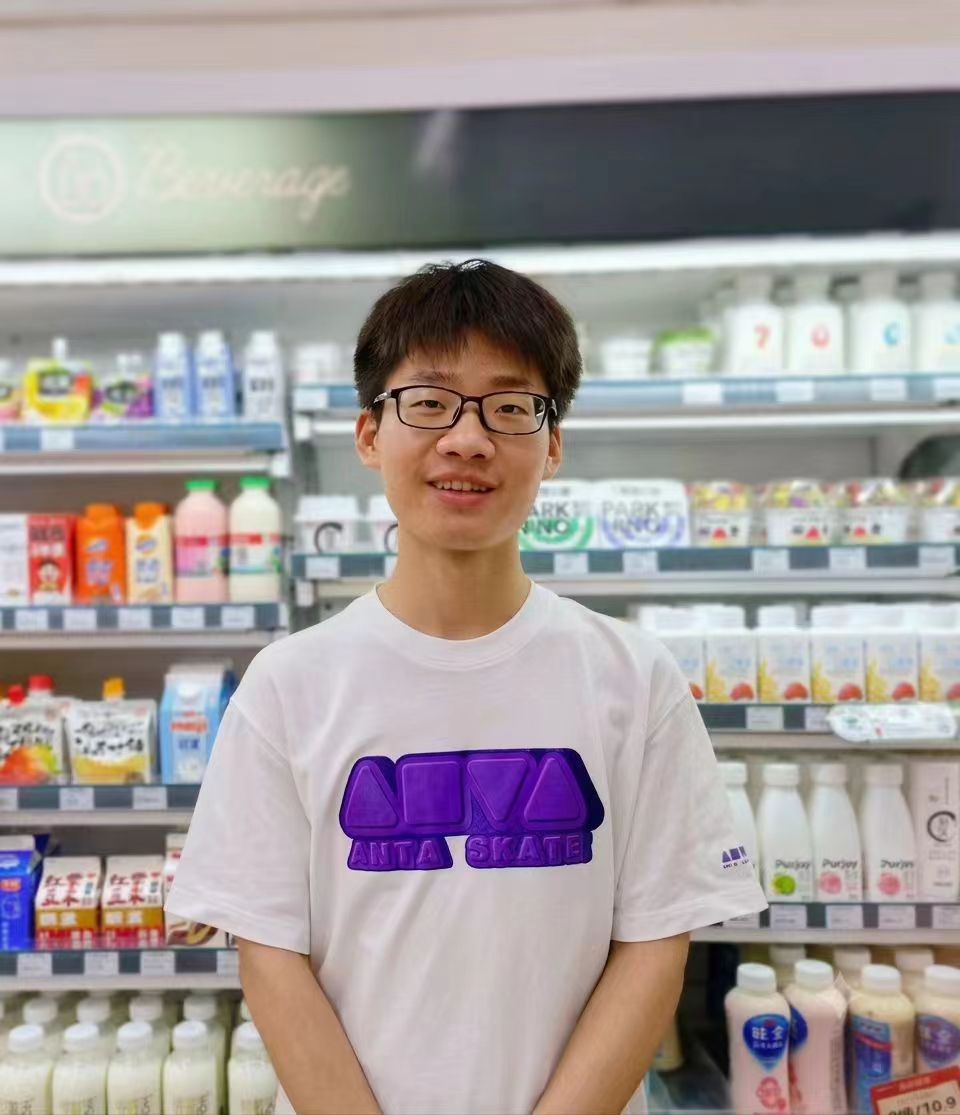
Jiahao Zhang
Jiahao Zhang is a doctoral student. His research focuses on the confluence of deep learning, political economy, and human mobility. He is particularly interested in interdisciplinary research. Previously, he has collaborated with researchers across multiple disciplines, including electrical engineering, computer science, chemistry, and geography.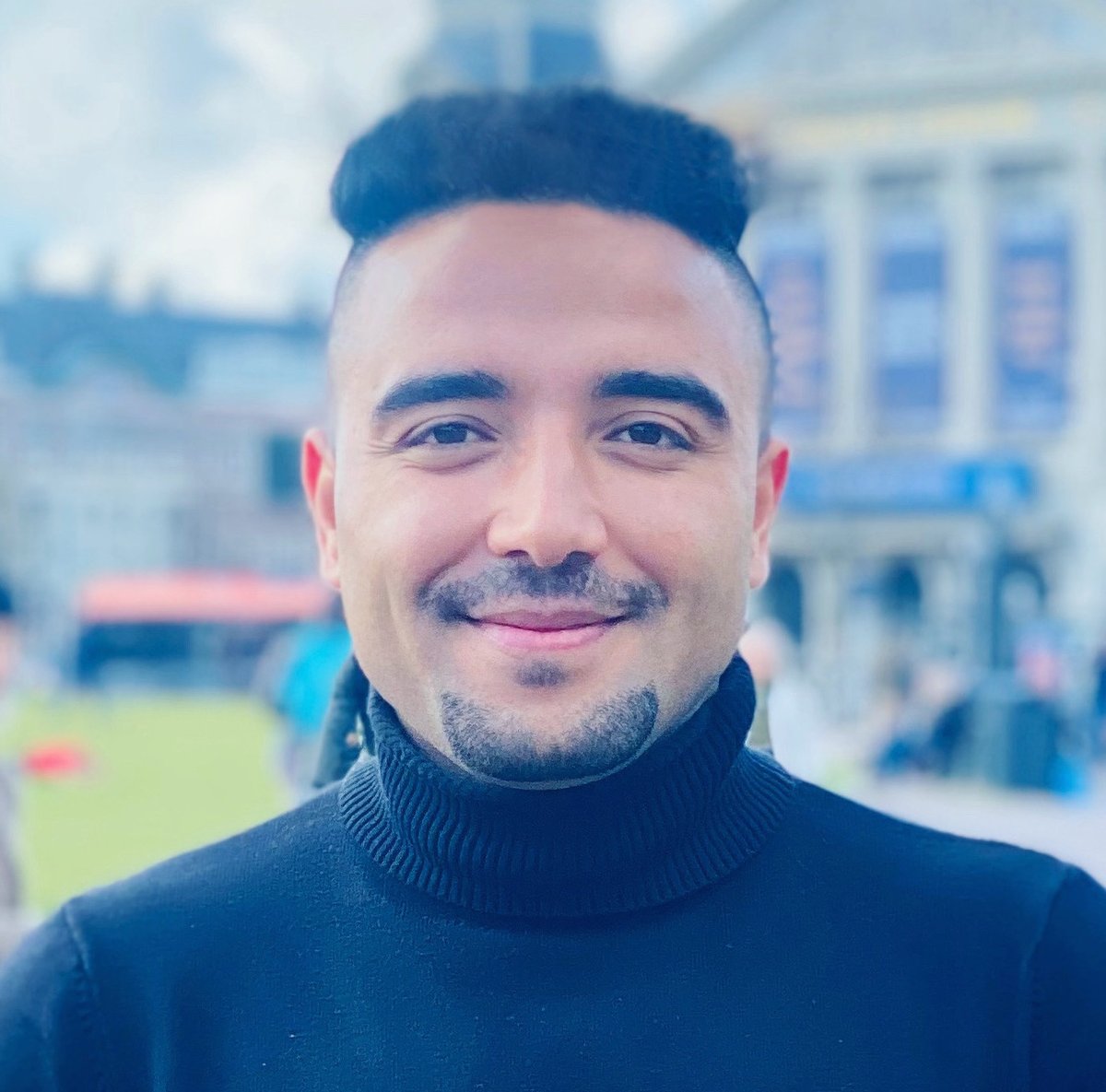
Waris Ahmad Faizi
Waris is a Ph.D. student in Sociology at Virginia Tech, working across economic sociology, digital sociology, and computational social science. His research examines how digital platforms, algorithms, and AI reshape work, labor markets, and inequality, using computational and quantitative methods including NLP, machine learning, network analysis, and causal inference.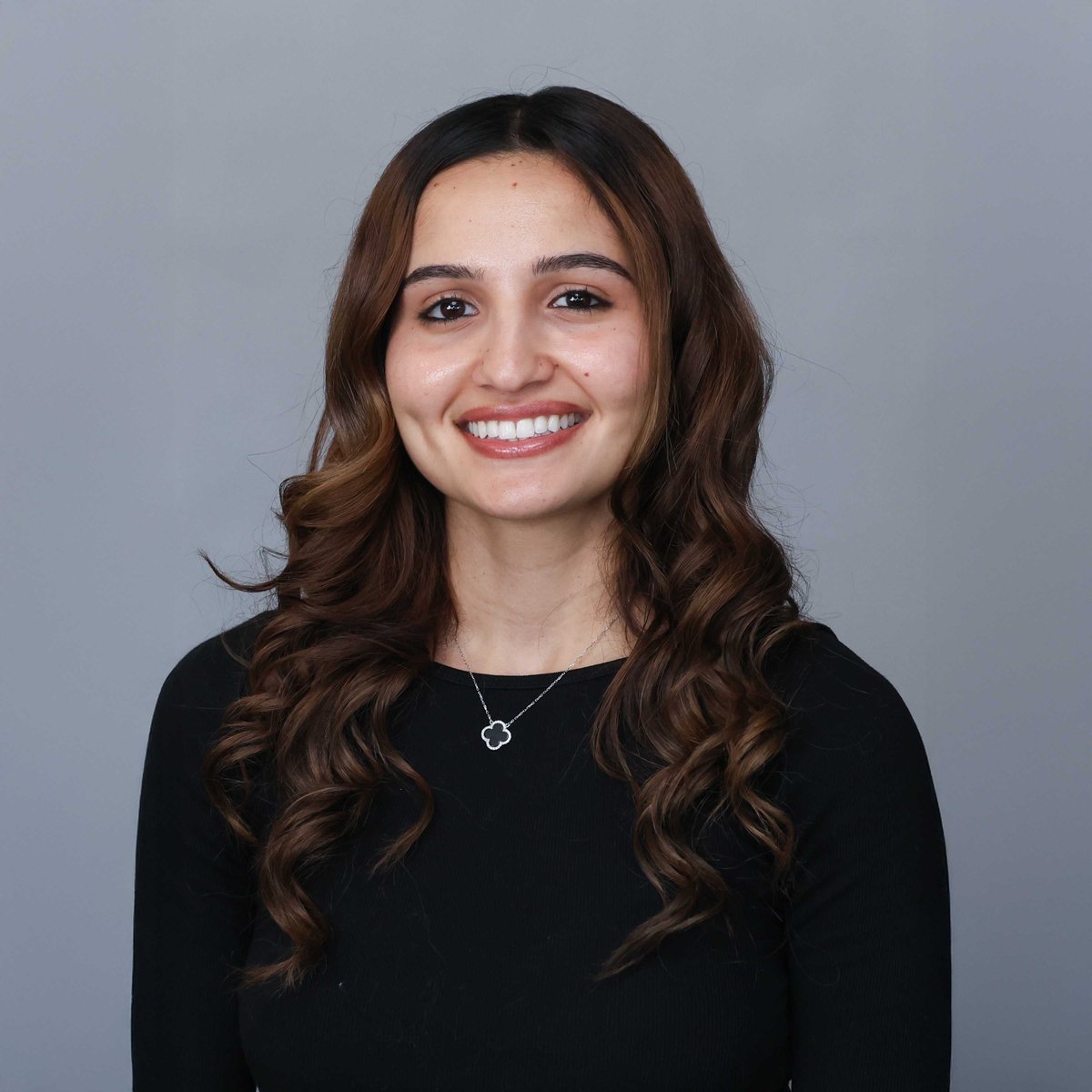
Danielle Shariff
Danielle Shariff is a PhD student in the Department of Political Science at Northeastern University. Her research focuses on the current U.S. political and civic information ecosystem. By understanding the mechanisms that drive information flow, manipulation, and regulation in social media, her work aims to strengthen political engagement and contend with the broader issues of unchecked corporate power and democratic decline.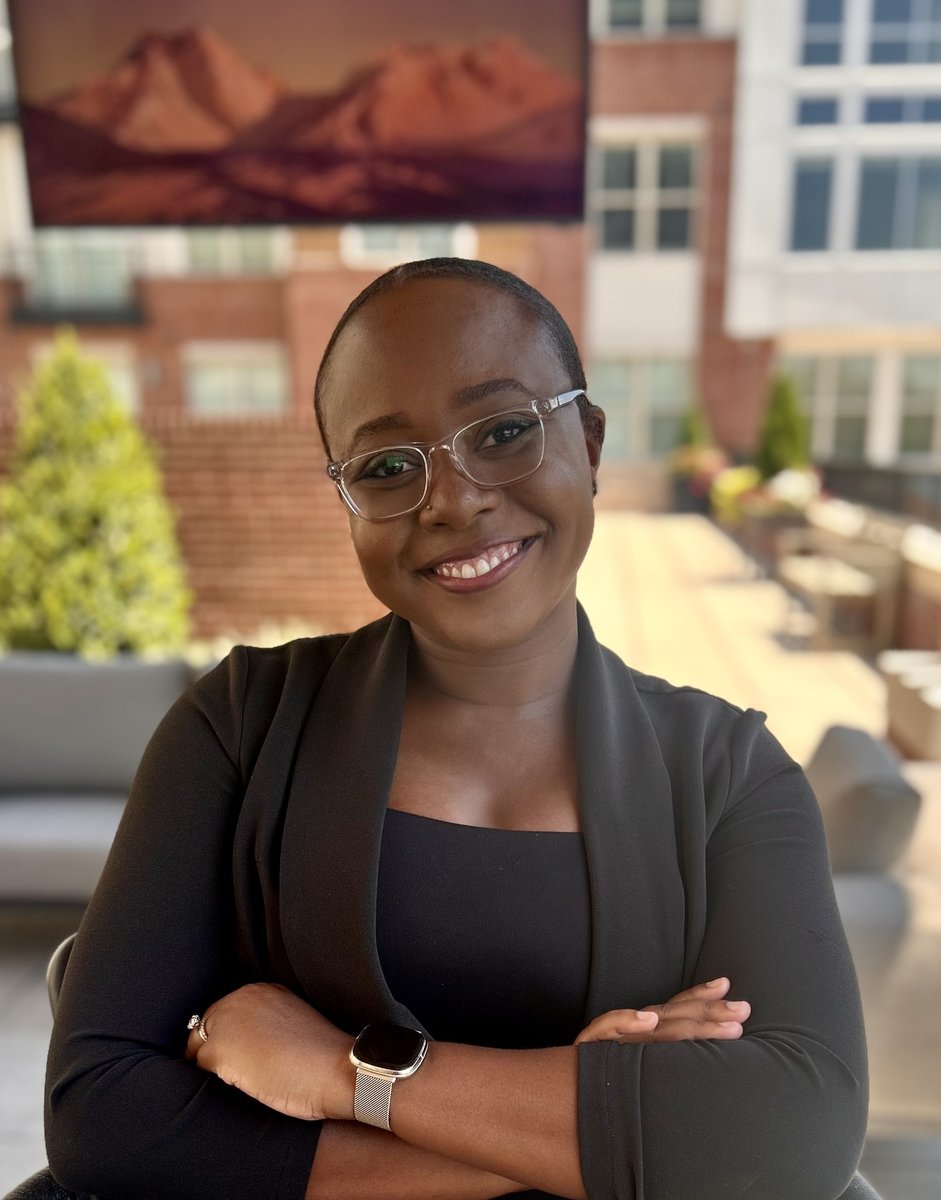
Shaye Hopkins
Shaye Hopkins is a PhD candidate at the Vienna University of Economics & Business, researching scalable behavioral interventions to foster constructive discourse and welfare in polarized information environments. Her work spans misinformation, trust, and well-being, combining experiments and trace data methods to design interventions that help people make more informed decisions.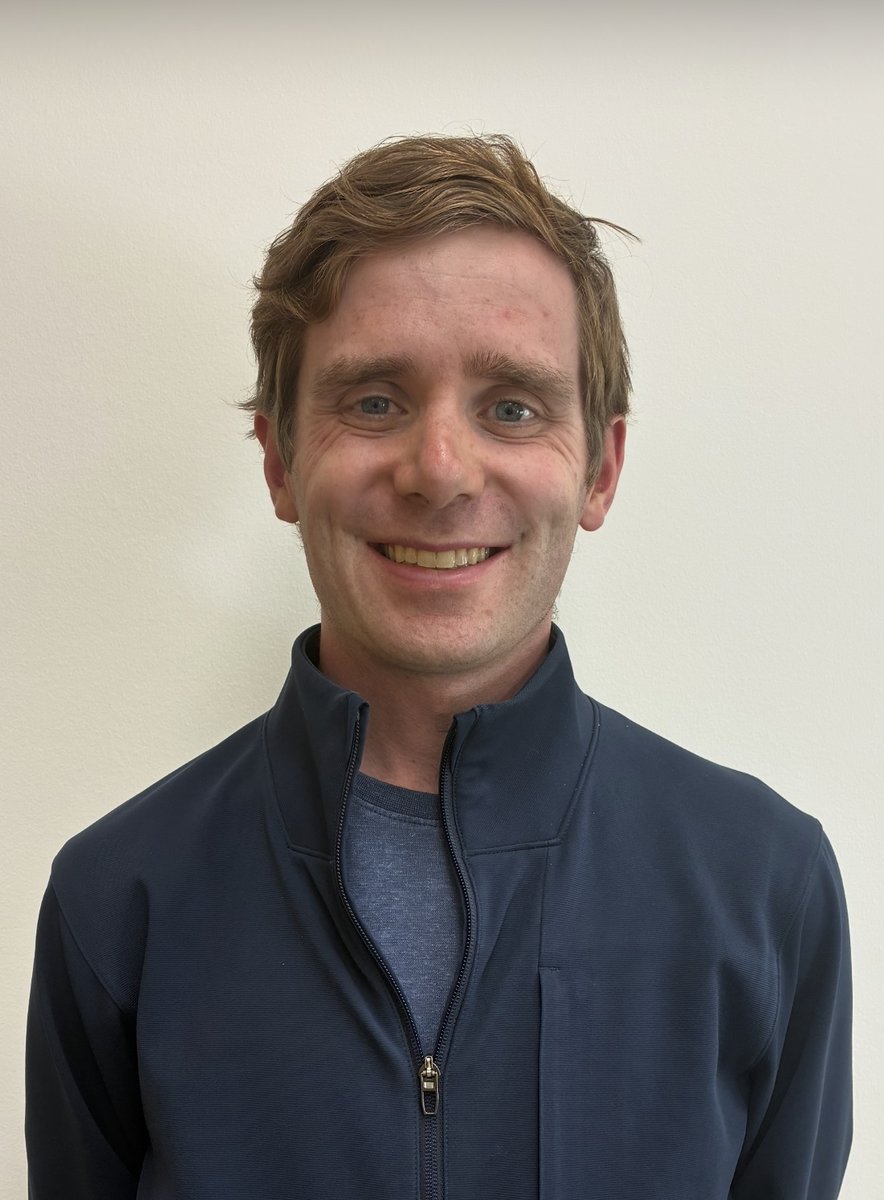
Kevin Kennedy
Kevin is a PhD Candidate in Social Psychology at Stanford University. His research examines how motivation affects when and how people infer social norms. Prior to graduate school, Kevin worked as a lab manager at the University of Wisconsin-Madison and received his B.A. from the University of Richmond.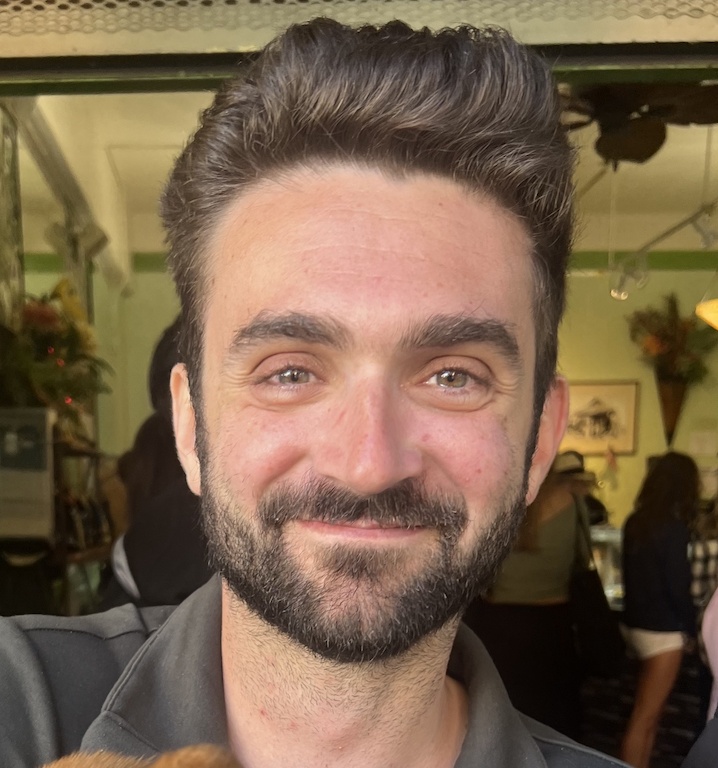
Carlos Guirado
Carlos is a PhD candidate in Civil Engineering at UC Berkeley studying human dynamics in sociotechnical systems. His work combines causal inference, econometrics, and simulation to understand decision-making at scale, primarily in human mobility. He is increasingly drawn to epistemological questions about modeling: validation, generalizability, reflexivity. Before academia, Carlos consulted globally for governments and infrastructure financiers.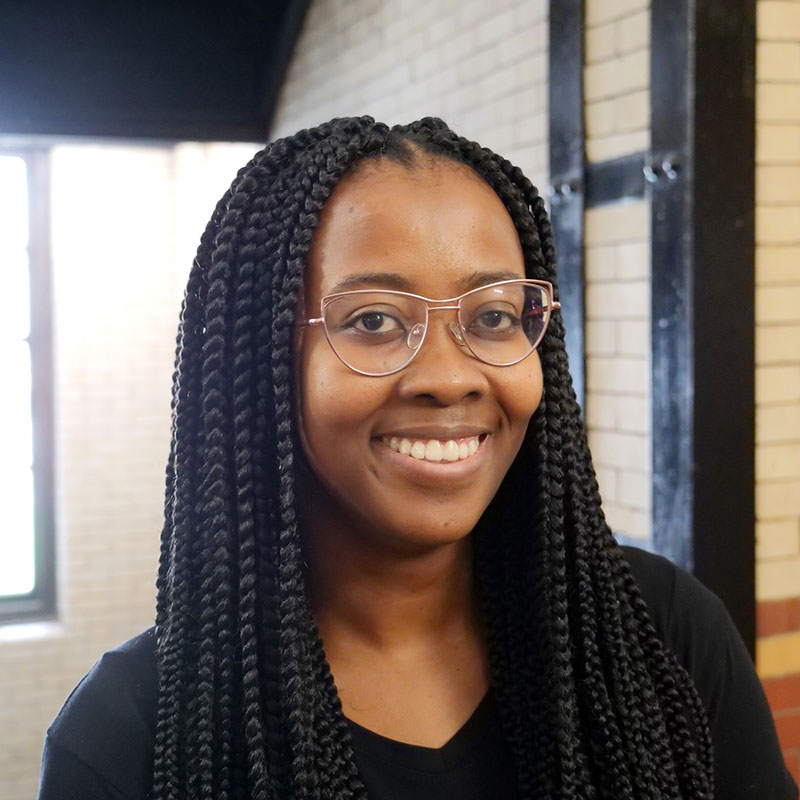
Princess Allotey
Princess Allotey is a joint PhD student in Statistics & Public Policy at Carnegie Mellon University (CMU), a CMU Presidential Fellow and Heinz Dean's PhD Fellow for Social Good. Princess develops statistical methods for missing network data. She holds degrees from CMU (MSc. Statistics) and Centre College (BSc. Mathematics & Data Science).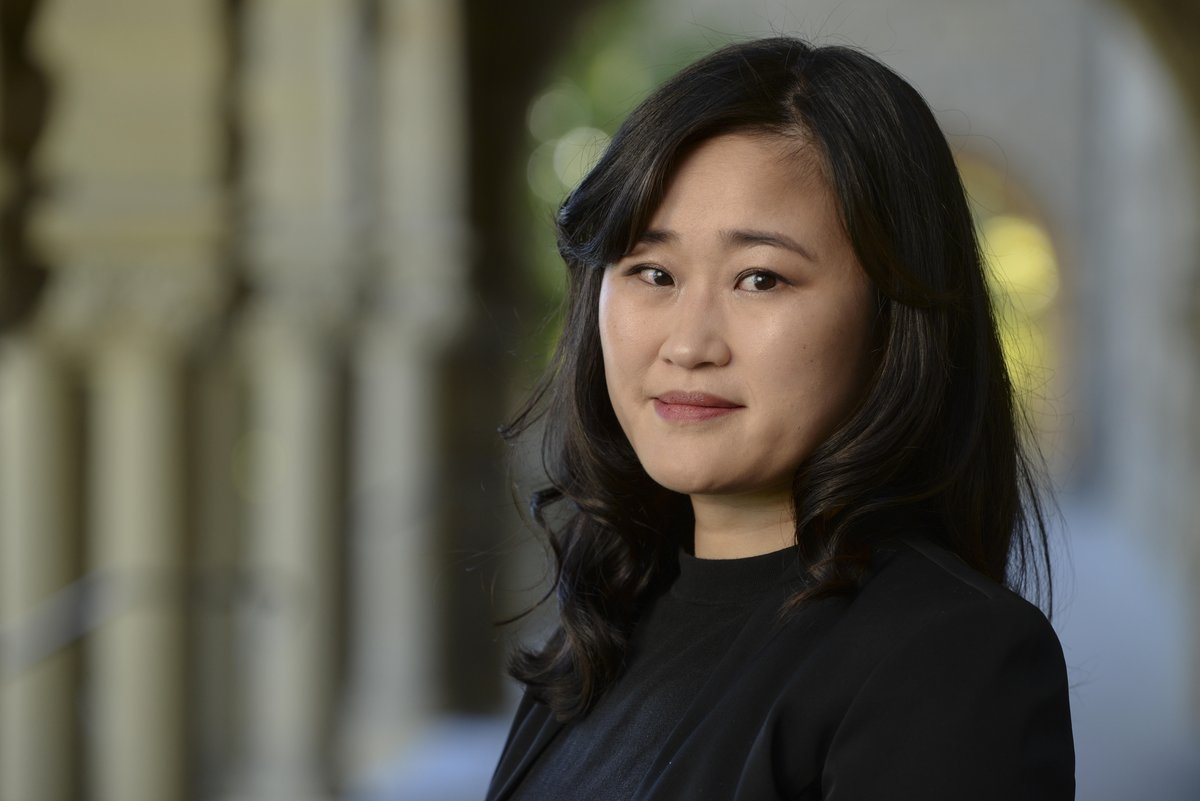
Marie Wako
Marie Wako is a JSD candidate at Stanford Law School whose research examines how race and gender shape criminal law and legal institutions in the United States and Japan. Her work combines empirical legal studies, computational text analysis, criminal law, and comparative law. Her project, Racialized Language in Criminal Courtrooms, uses NLP to analyze approximately 400 California trial transcripts, examining how courtroom actors frame defendants and how those patterns may inform claims under the California Racial Justice Act. Marie holds an LL.M. from Stanford and a J.D. and LL.B. from the University of Tokyo and is a licensed attorney in Japan and New York.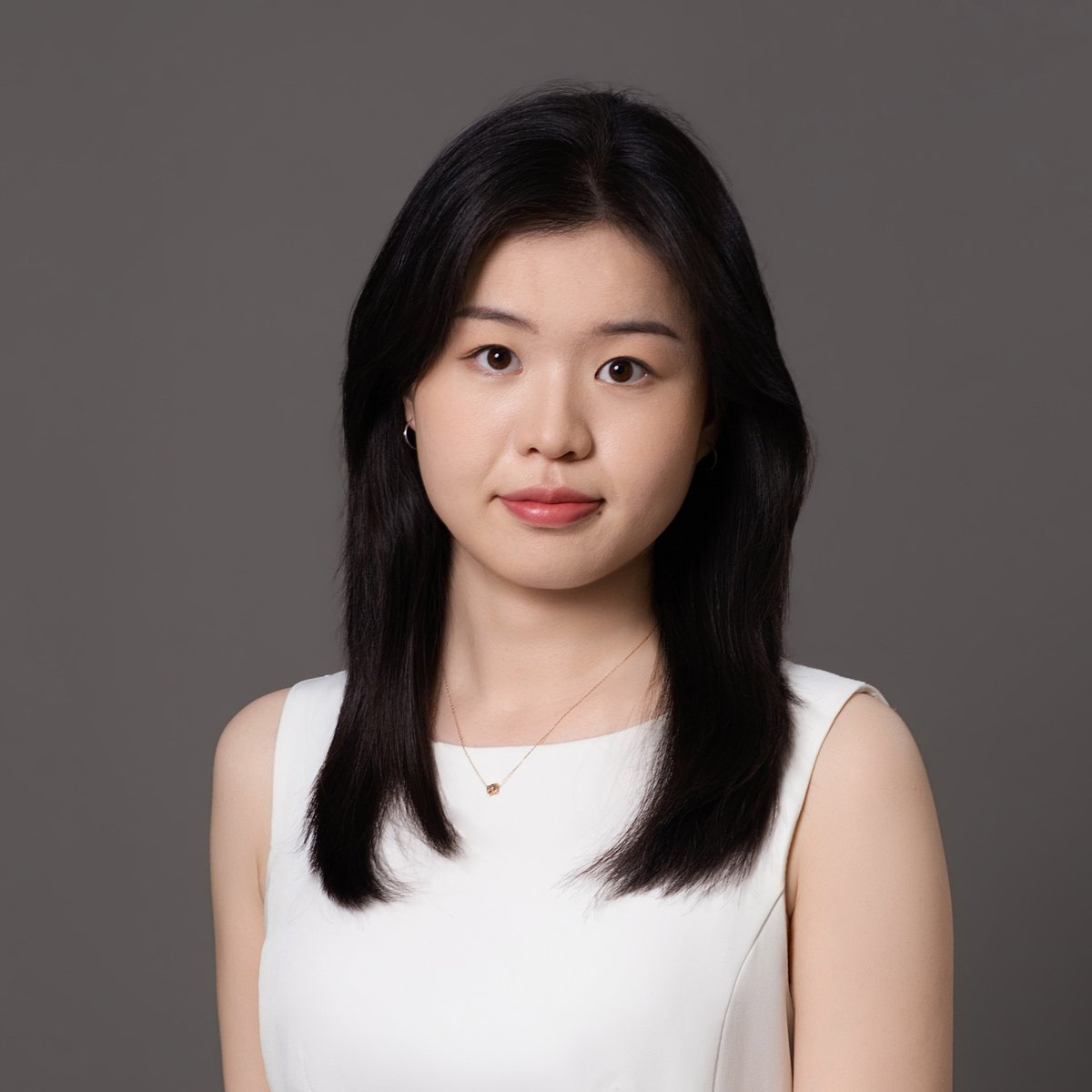
Min Ge
Min Ge is a Ph.D. student in Interdisciplinary Design and Media at Northeastern University. Her research uses computational methods and quantitative evaluation to design prosocial AI systems that support mental well-being, promote AI literacy, and create healthier digital spaces through more responsible human–AI interaction.