People
Faculty
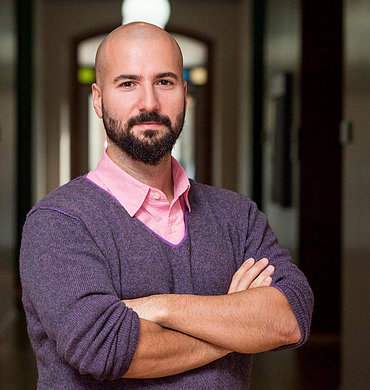
Akın Ünver
Akın Ünver is an associate professor of International Relations at Özyeğin University, specializing in conflict research, computational methods, and digital crisis communication. He is a fellow of the Carnegie Endowment’s Digital Democracy Network and serves on TikTok’s MENA-T Security Advisory Council. He previously held positions at the University of Oxford and the Alan Turing Institute, and is the author of Defining Turkey’s Kurdish Question: Discourse and Politics Since 1990.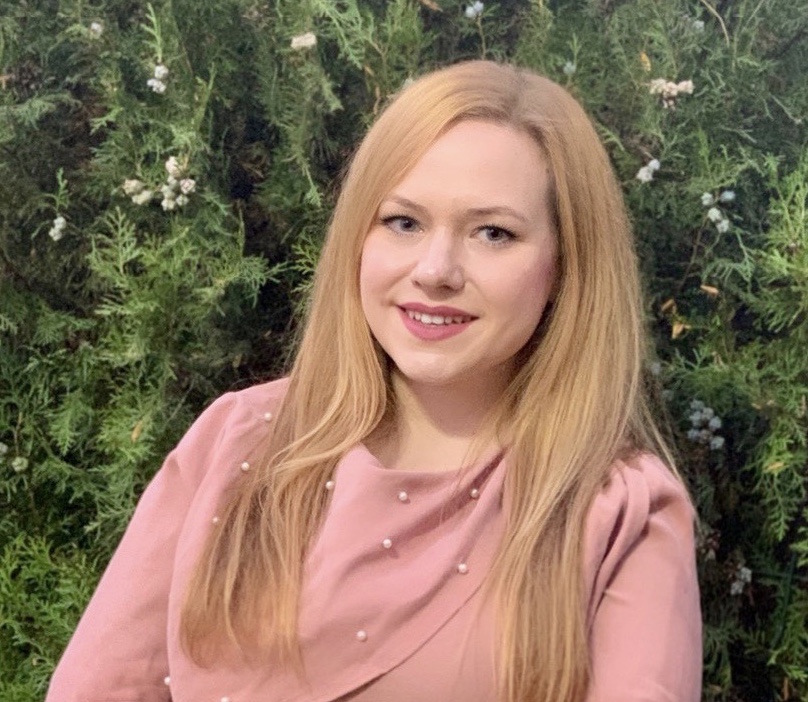
Merih Angın
Merih Angın is an Assistant Professor at Koç University’s College of Administrative Sciences and Economics. Her research focuses on international political economy, development, computational social sciences, and AI governance. She previously held postdoctoral positions at Harvard University and the University of Oxford and is the founder of the MA-Computational Social Sciences Lab at Koç University.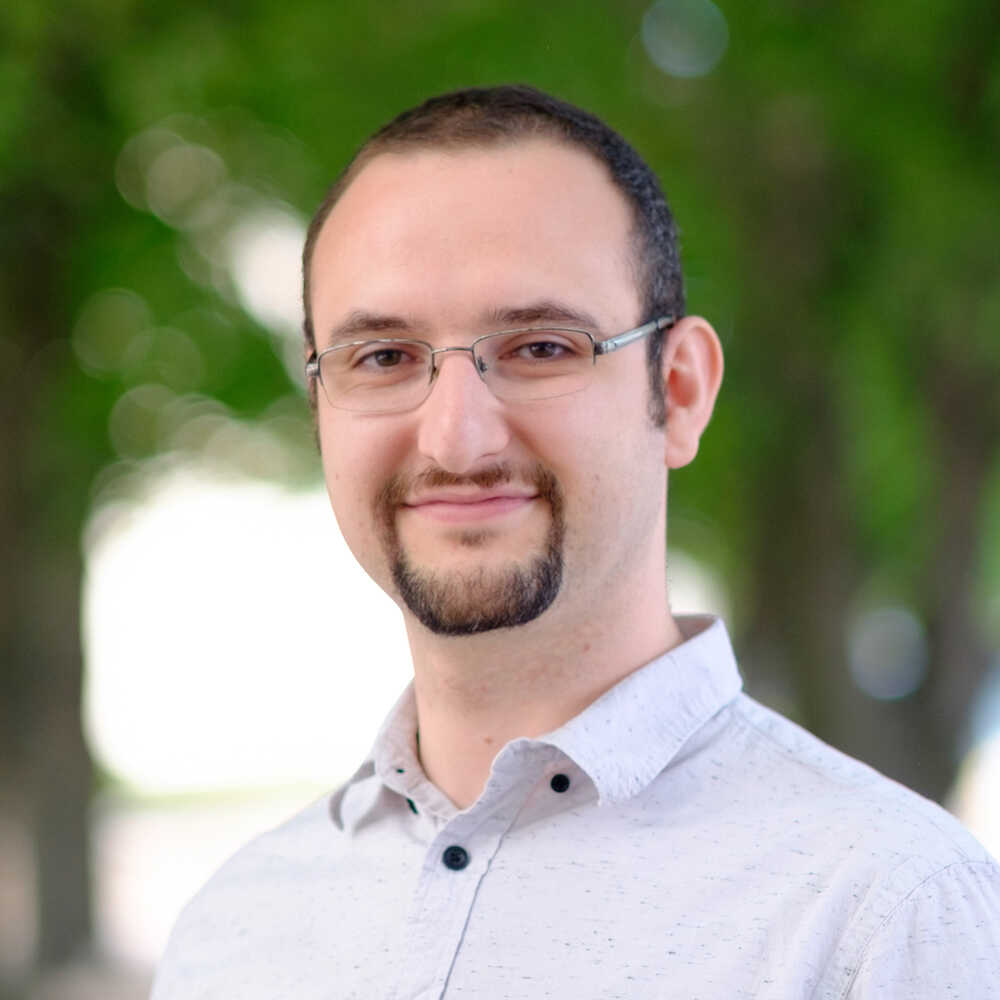
Onur Varol
Onur Varol is an Assistant Professor at Sabancı University and Principal Investigator of the VIRAL Lab. His research examines online behavior, social media manipulation, and computational methods for improving societal well-being. He previously conducted postdoctoral research at Northeastern University and is one of the developers of Botometer.
Erdem Yörük
Erdem Yörük is a Professor of Sociology at Koç University and an Associate Member of the University of Oxford. He is the principal investigator of multiple ERC- and EU-funded projects on welfare politics, social movements, and computational social science, and his work has appeared in leading international journals.
Başak Taraktaş
Başak Taraktaş is an Assistant Professor of Political Science at Boğaziçi University. Her research focuses on collective action, opinion dynamics, and political behavior, combining computational methods with qualitative approaches. She previously held postdoctoral positions at Northwestern University.Speakers

İnanç Arın
İnanç Arın is a faculty member in the Faculty of Engineering and Natural Sciences at Sabancı University, working within the Computer Science & Engineering and Data Analytics programs. His research centers on data mining, text mining, machine learning, and big data, with particular attention to social bots and their effects on everyday life and the business world.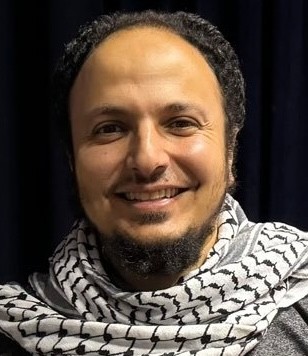
Walid Magdy
Walid Magdy holds a Personal Chair of Computational Social Science at the School of Informatics, University of Edinburgh, and is the founder and director of the Social Media Analysis and Support for Humanity (SMASH) group. His research spans computational social science, data mining, and natural language processing. He is a faculty fellow at the Alan Turing Institute and previously worked at IBM, Microsoft, and the Qatar Computing Research Institute.
Chris Barrie
Christopher Barrie is an Assistant Professor in the Department of Sociology at New York University and core faculty at NYU's Center for Social Media, AI, and Politics (CSMaP). A political sociologist of conflict, communication, and political attitudes, he specializes in natural language processing, language models, and the repurposing of digital trace data to study hard-to-reach populations. He previously held positions at the University of Edinburgh and the University of Oxford.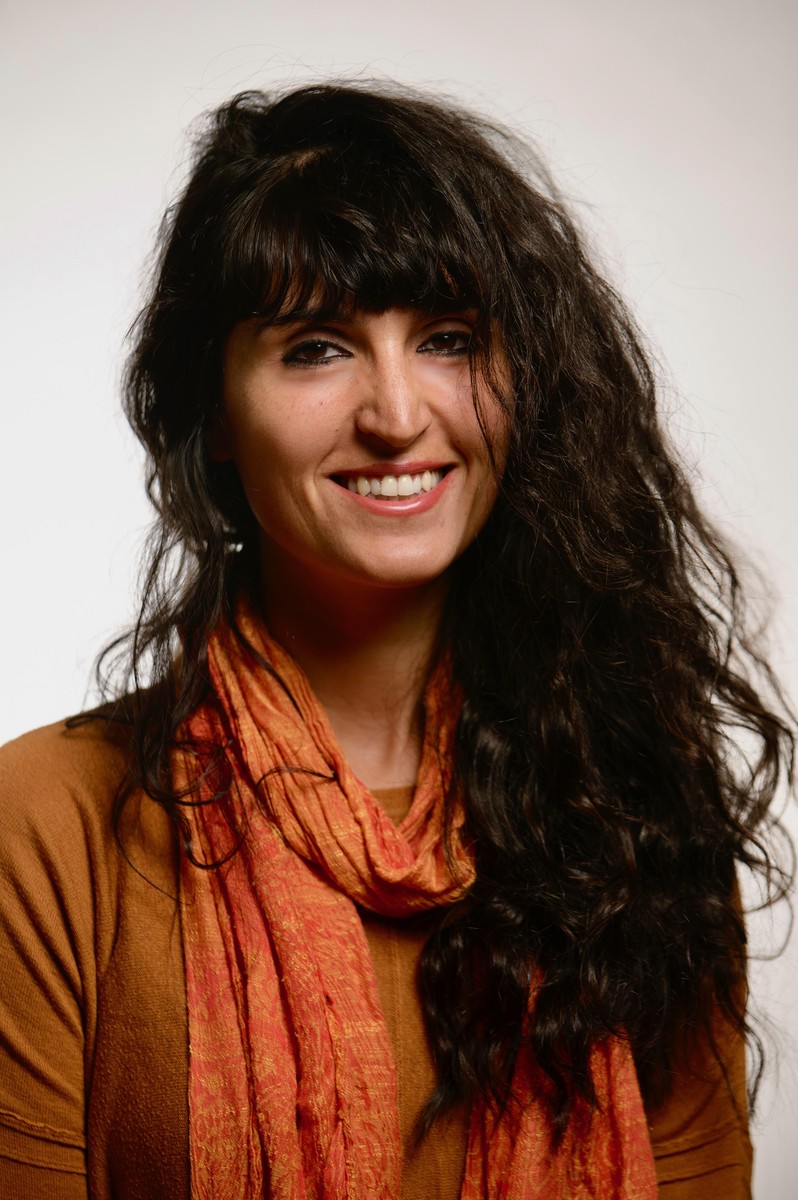
Ceren Budak
Ceren Budak is an Associate Professor of Information and of Electrical Engineering and Computer Science at the University of Michigan, where she also serves as associate director of the Center for Social Media Responsibility. Her research examines public discourse and collective behavior on digital platforms, focusing on political polarization, misinformation, and collective action through field experiments, machine learning, and network science. She was named a 2026 Andrew Carnegie Fellow.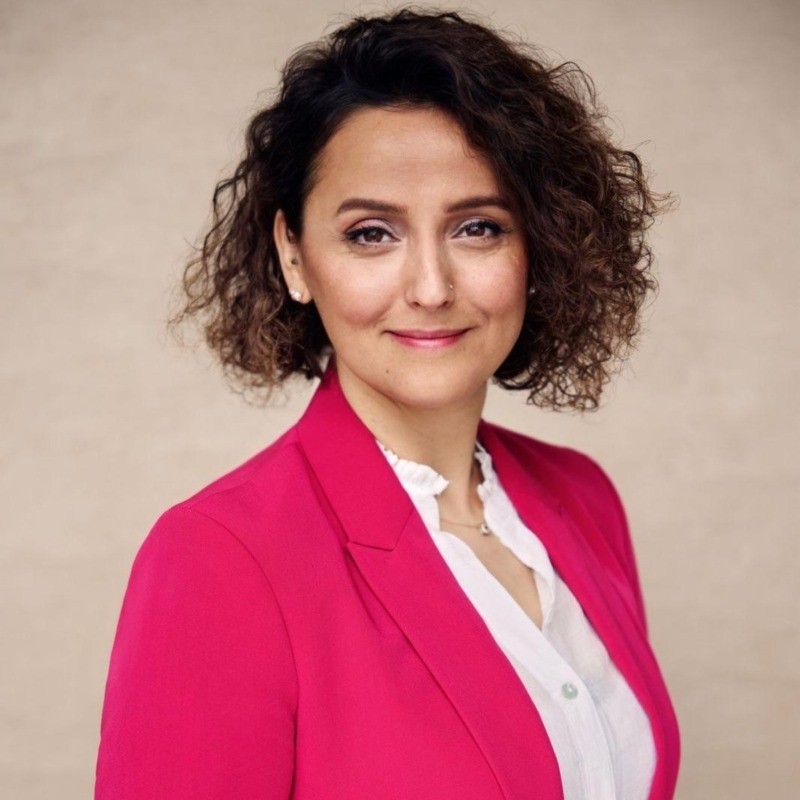
Tuba Bircan
Tuba Bircan is an Associate Professor in the Department of Sociology at Vrije Universiteit Brussel, where she leads the AI, Migration and Society (AIMS) Lab and directs the BRISPO research group. With a background in statistics and a PhD in social and political sciences from KU Leuven, her interdisciplinary work spans migration, social inequalities, public policy, and the use of Big Data and AI in the social sciences.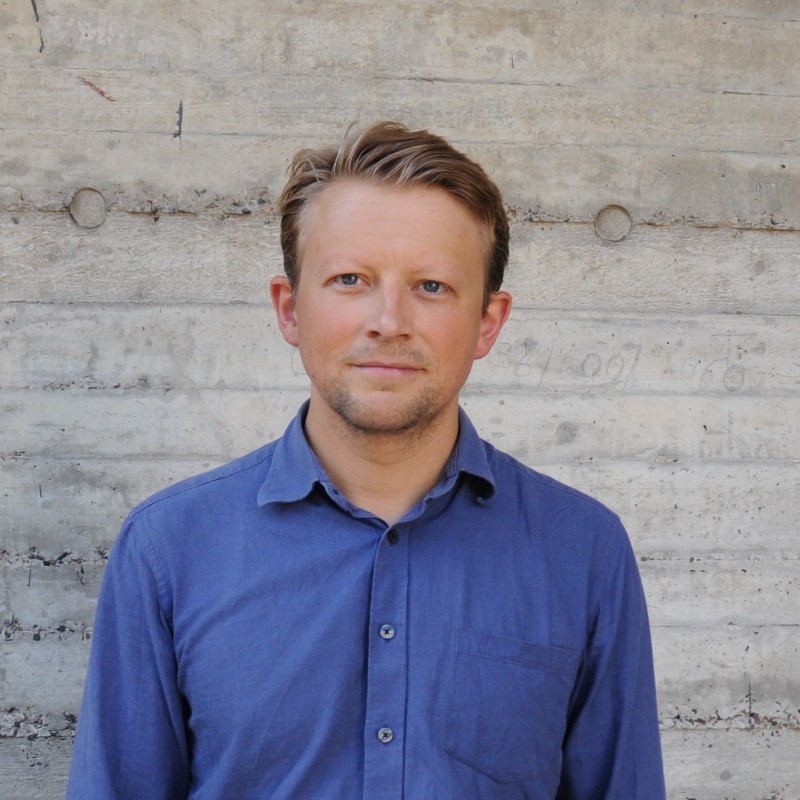
Philipp Lorenz-Spreen
Philipp Lorenz-Spreen leads the junior research group in Computational Social Science at the Center for Synergy of Systems, TU Dresden, and is a researcher at the Center for Adaptive Rationality at the Max Planck Institute for Human Development. His work studies the societal impact of digitalization — how online discourse, collective attention, and platform design affect democracy and public opinion.
Dirk Wulff
Dirk U. Wulff is a Senior Research Scientist at the Max Planck Institute for Human Development in Berlin and head of a research area within the Center for Adaptive Rationality. His work sits at the intersection of psychology, artificial intelligence, and metascience, studying human memory and decision-making through behavioral experiments, computational modeling, big-data analytics, and large language models. He is the founder of The R Bootcamp.
Serkant Adıgüzel
Fatih Serkant Adıgüzel is an Assistant Professor in the Faculty of Arts and Social Sciences at Sabancı University and a faculty fellow at AALIMS. He specializes in political economy and political methodology, with research at the intersection of democratic backsliding, digital media, and public services. He earned his PhD in Political Science from Duke University and was previously a research fellow at Harvard Kennedy School's Middle East Initiative.
Ali Najafi
Ali Najafi is a computer scientist affiliated with the VIRAL Lab at Sabancı University. His research interests include natural language processing, computational social science, deep learning, and machine learning, with a focus on social bot detection and misinformation. He contributed to the #secim2023 dataset created for studying the Turkish general election.
Yunus Emre Tapan
Yunus Emre Tapan is a PhD candidate in Political Science at Northeastern University. His research examines the segregation of political life — how citizens allocate attention across partisan lines, how publics turn against other nations, and how elites and experts divide — in domains spanning American politics and international relations. He works with natural language processing, mechanistic interprability, network analysis, and statistics. He holds an MSc from METU and a BA from Boğaziçi University.
Şükrü Atsızelti
Şükrü Atsızelti is a PhD researcher in Computational Social Science and Sociology at Koç University and a researcher at Politus Analytics. His work focuses on digital trace data, validating digital signals against survey data, and LLM-based simulations, with applications to Turkish politics and public opinion.
Fuat Kına
M. Fuat Kına is an Assistant Professor at Marmara University and head of the Social Research Department at the Institute for Population and Social Research. He was previously a postdoctoral researcher at the Center for Computational Social Sciences and an instructor in the Computational Social Sciences MA program at Koç University. His research covers computational social science, causal inference, social movements, and comparative welfare and social policy.
Helin Ekmen
Helin Yaren Ekmen is an MA student in Computational Social Sciences at Koç University and a Research Assistant at the Marmara Institute for Population and Social Research, with a BA in Political Science from Boğaziçi University. Her research focuses on social movements, contentious politics, and democratic backsliding, using text-as-data approaches, LLM-based annotation pipelines, and synthetic agents.
Merih Angın
Merih Angın is an Assistant Professor at Koç University's College of Administrative Sciences and Economics. Her research focuses on international political economy, development, computational social science, and AI governance. She previously held postdoctoral positions at Harvard University and the University of Oxford, and is the founder of the MA Computational Social Sciences Lab at Koç University.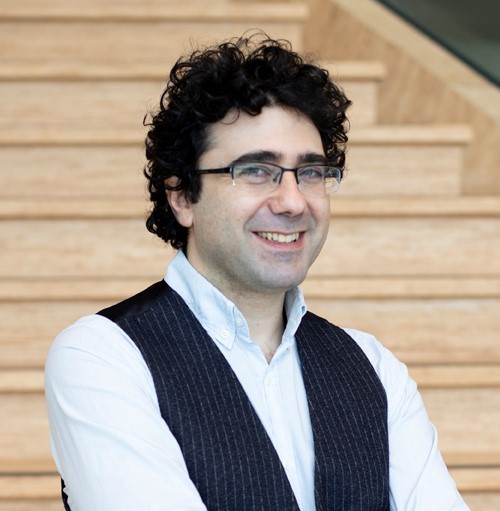
Albert Ali Salah
Albert Ali Salah is a Professor of Social and Affective Computing in the Department of Information and Computing Sciences at Utrecht University. His research spans multimodal interaction, pattern recognition, computer vision, computational social science, and the computer analysis of human behavior. He received his MSc and PhD from Boğaziçi University and has co-authored over 200 publications.
Onur Güngör
Onur Güngör is part-time faculty in the Department of Computer Engineering at Boğaziçi University, specializing in natural language processing and computational linguistics. His doctoral work focused on named entity recognition using morphological information, advancing performance for Turkish and several other languages. He also works as a data science manager at Udemy.Teaching Assistants
Participants
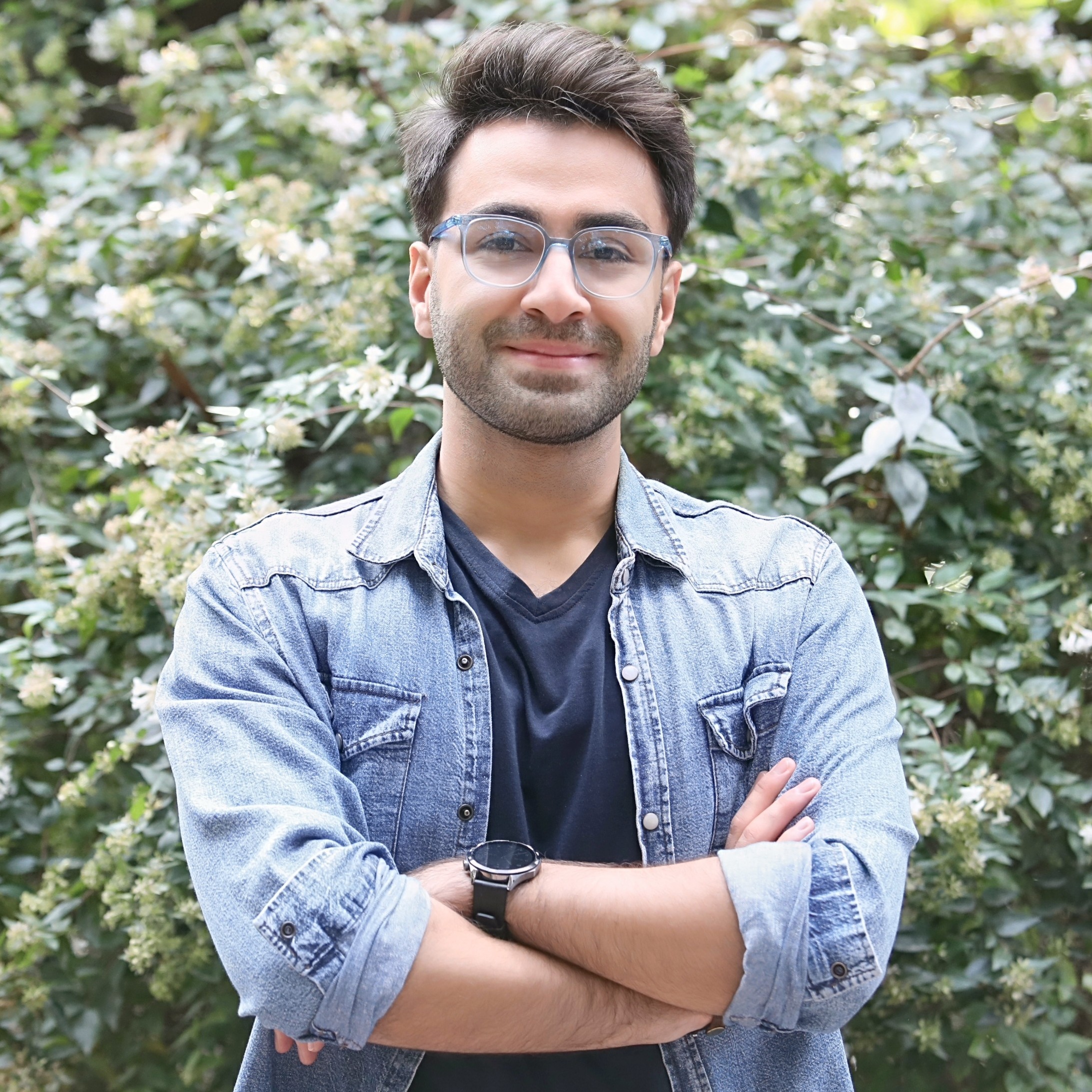
Ensar Acem
Ensar Acem is a researcher working at the intersection of social psychology and behavioral economics within an international research network. His work focuses on how morality, cooperation, and belief systems emerge and evolve through the interplay of biological predispositions and cultural processes. Grounded in Dual Inheritance Theory, he investigates how cognitive styles, social norms, and evolved tendencies jointly shape human behavior. He employs experimental and cross-cultural methods, including research with non-WEIRD populations, to capture variation across societies and improve the generalizability of findings. His research places strong emphasis on methodological rigor, transparency, and open science practices. Through this approach, he aims to contribute to a more robust and cumulative understanding of human social behavior and its underlying mechanisms. Further information is available on his website: https://sites.google.com/view/ensaracem
Chengqian Wang
Chengqian Wang is a PhD student at University College Dublin researching LLM-based chatbots for emotional support. Proficient in Python and JavaScript, he applies computational methods including natural language processing, data analysis, and visualisation in his research. His background in human-computer interaction and AI ethics informs a human-centred and ethically aware approach to research.
Deniz Girgin
Deniz Girgin is a PhD student in the Political Science program at the University of Connecticut. Her primary research interest is climate change and environmental politics. Her recent work focuses on comparing machine learning models, particularly ClimateBERT, with qualitative analysis methods to evaluate countries’ emissions targets in climate policy documents.
Helin Yaren Ekmen
Helin is an M.A. student in Computational Social Sciences at Koç University and a Research Assistant at the Marmara Institute for Population and Social Research. She holds a B.A. in Political Science from Boğaziçi University. Her research focuses on social movements, contentious politics, and democratic backsliding. Methodologically, she works with text-as-data approaches, LLM-based annotation pipelines, and synthetic agents to study political behavior and collective action.
Nagehan Reyhan Doğan
Nagehan Reyhan Doğan is a PhD candidate in Political Science and International Relations at Istanbul University. She holds a BA in Political Science and International Relations from Istanbul University and an MA in EU Politics and International Relations from Marmara University, where her thesis examined the impact of EU strategic autonomy on EU–NATO cooperation. Her doctoral research focuses on defense industry indigenization in late-developing states, with Turkiye as the primary case. She combines historical sociology and computational methods to study state transformation processes. She applies Python-based network analysis to SIPRI arms transfer data and is developing computational methods — including social network analysis and NLP — for her dissertation.
Şükrü Demirtaş
Dr. Şükrü C. Demirtaş is a computational social scientist specializing in economics, finance, and agent-based modeling. He completed his Ph.D. in Economics at Yıldız Technical University, focusing on artificial stock markets and financial dynamics. His research examines inflation processes, market microstructure, expectation formation, and central banking through computational and data-driven methods, including machine learning and nonlinear dynamics.
Ali Rajabzadeh Jorjafki
Ali Rajabzadeh is an Instructor at Methods Academy, where he leads workshops on the use of Large Language Models in social science research, with an emphasis on transparency, replicability, and human supervision. He is also co-authoring a methodological paper on balancing interpretive depth and autonomy in LLM-assisted text analysis. His current PhD proposal examines how LLMs can be leveraged to analyze interactions between media and politics.
Emma Walker-Silverman
Emma Walker-Silverman is a doctoral student at the Refugee Studies Centre at the University of Oxford. She is broadly interested in intergroup relations and the forces that shape them, and specifically why different people and communities respond so differently to hosting refugees. Her doctoral research uses qualitative and experimental methods to examine the influence of social media on attitudes towards refugees in Turkey. She holds an MSc in Refugee and Forced Migration Studies from the University of Oxford and a BA in Psychology from Stanford University, both with distinction. Before coming to Oxford, she worked as a Fulbright researcher and coordinator with local NGOs in Turkey.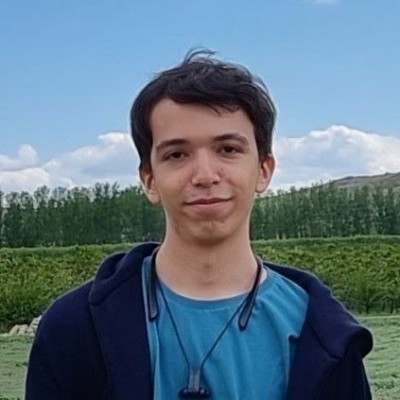
Mehrdad Heshmat
Mehrdad is an M.Sc. student at Sabancı University and a researcher at VRL Lab. His current work focuses on analyzing psychological data, with a particular interest in memory. He primarily contributes to research projects through the application of natural language processing and network science methods.
Afife Yıldız
Afife Yıldız is a Military Sociology Ph.D. student at the Turkish National Defense University. Drawing on 12 years of experience in humanitarian aid, she researches conflict dynamics. Her work applies computational text analysis to oral histories from veterans of the Cyprus Peace Operation to model links between narrative structure, unit cohesion, and combat behavior.
Irem Dumlu Taylan
Irem Dumlu Taylan is a PhD student in Political Science and International Relations at Izmir University of Economics, where she also works as a research assistant. She holds an MA in International Relations from the University of Bologna. She is especially interested in integrating computational social science methods, including machine learning and quantitative modeling, to study conflict prediction and uncover complex relationships between political institutions and interstate behavior.
Nagihan Özman
Nagihan is pursuing a PhD in Psychology at Özyeğin University in Istanbul. She is holding a BA in Psychology from Özyeğin University and an MA in Social Psychology from Kadir Has University in Istanbul. She is broadly interested in social cognition, social identity, and culture. Her PhD work explores cultural life scripts and the retrieval of autobiographical memories. She is curious about how social contexts affect cognitive processes and behaviors.
Yaser Koyuncu
Yaser Koyuncu is a Ph.D. research assistant in Social Research Methodology at Hacettepe University Institute of Population Studies. He received his Bachelor of Arts degree in International Relations from Bilkent University and his Master’s and PhD degrees from Hacettepe University. His research is based on mixed methods and focuses on the methodological impact of computational social science on research practices in the social sciences.
Cemal Ataş
Cemal Ataş is an MA student in Media and Visual Studies at Bilkent University. His research combines computational communication methods with behavioral science to design and evaluate personalized misinformation interventions. He tests LLM-generated corrections for health misinformation, with attention to effectiveness and fairness, and co-developed TRNews-12M, a 12-million article Turkish news dataset.
Zehra Usta
Zehra Usta is a PhD student at the University of Warsaw. Her dissertation examines the social drivers of cultural consumption. She also works as a Research Assistant and teaches Reproducible Research course at the University of Warsaw. Her research interests are cultural economics, network science, and machine learning.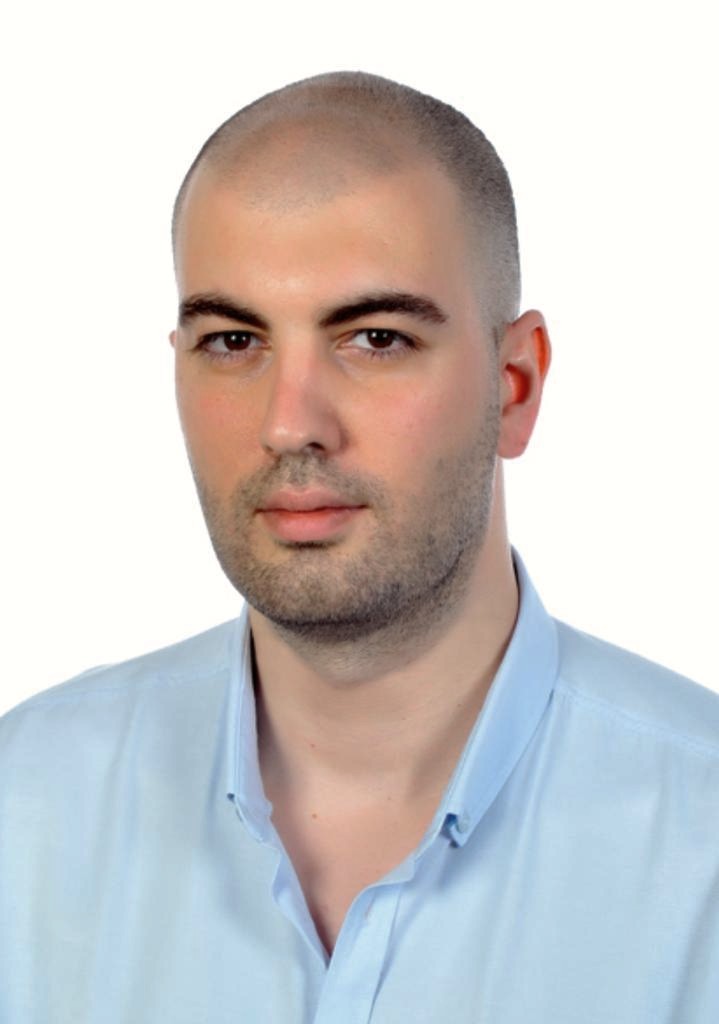
Ersagun Kocabaş
Ersagun Kocabaş is an education assistant at the Foundations Development Directorate at Sabancı University and a prospective postdoctoral researcher in the university's Faculty of Arts and Social Sciences. He received his Ph.D. in Political Science from Sabancı University, and holds an M.Sc. from SOAS University of London and a B.A. from Marmara University. His research focuses primarily on peace and conflict studies, civil-military relations, and foreign policy analysis.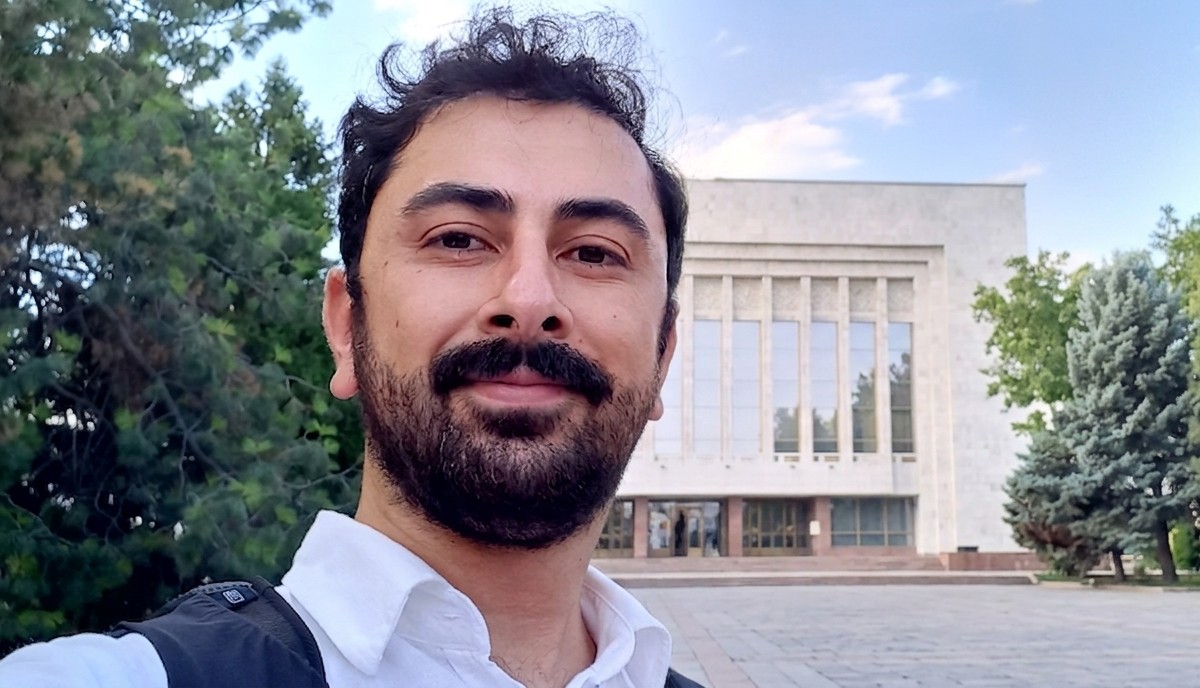
Mahsum Ökmen
Mahsum Ökmen is a PhD candidate in Economics at Marmara University and a Research Assistant at Doğuş University. His research explores population economics and regional development, specifically focusing on the socio-economic outcomes for vulnerable groups and refugees in Türkiye using causal inference and computational spatial analysis.
Pelin Akçagün Narin
Pelin Akçagün Narin is an Assistant Professor in the Department of Economics at Ondokuz Mayıs University, Türkiye. She holds a Ph.D. in Economics from Middle East Technical University. Her research focuses on spatial econometrics, bayesian econometrics, applied macroeconometrics, regional development, labor economics, and the economic implications of climate change. Her work has appeared in journals including the Journal of Financial Econometrics and Applied Spatial Analysis and Policy. She has also contributed to national and international research projects and teaches courses in econometrics, statistics, and computer programming.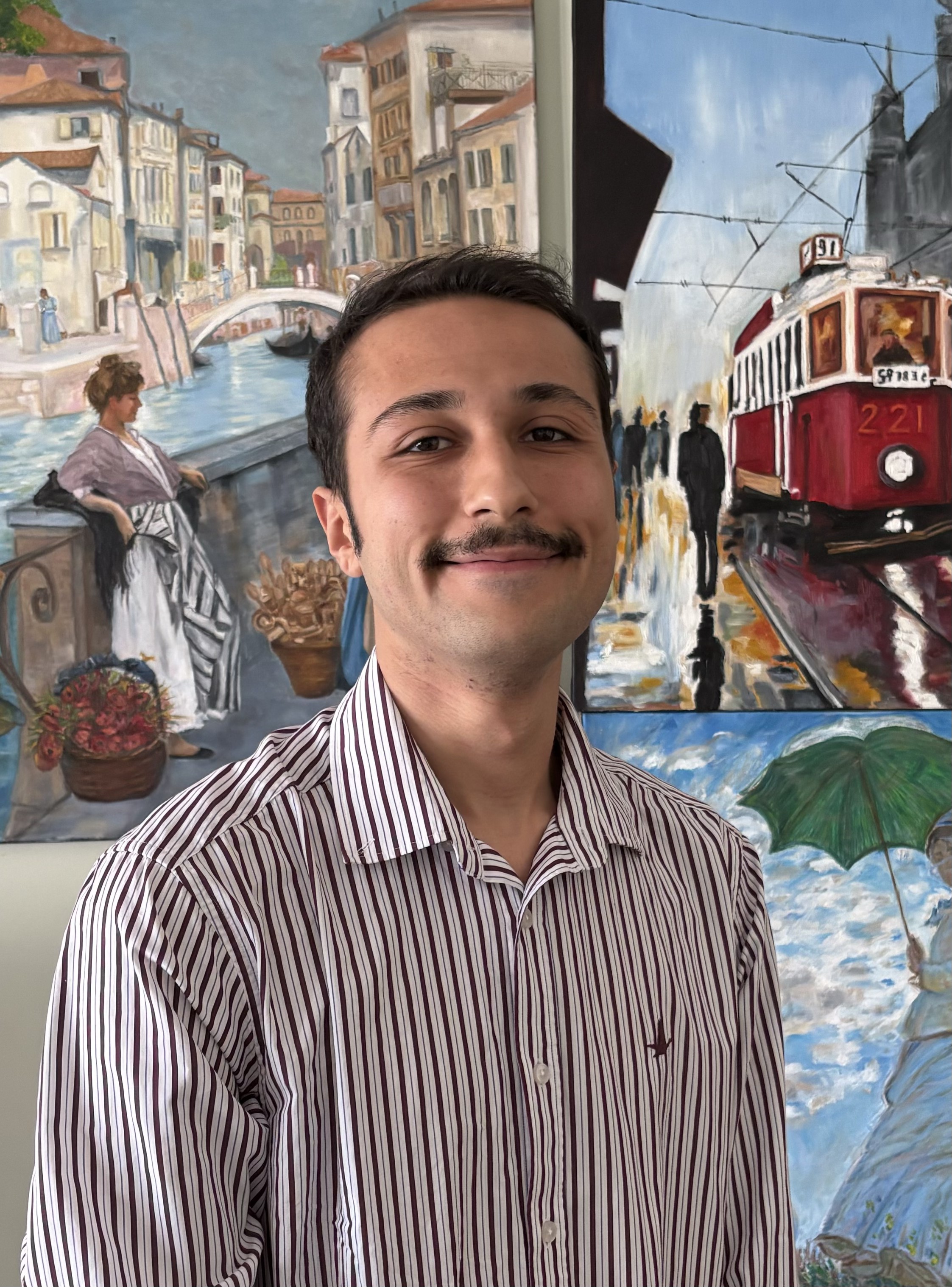
Mehmet Bağdınlı
Mehmet Bağdınlı is a master's student in Computational Social Sciences at Koç University. He earned his Bachelor's in Economics from Galatasaray University. His research interests include political economy, economic inequality, causal inference, computational methods in social science, political sociology, regional development, and urban studies.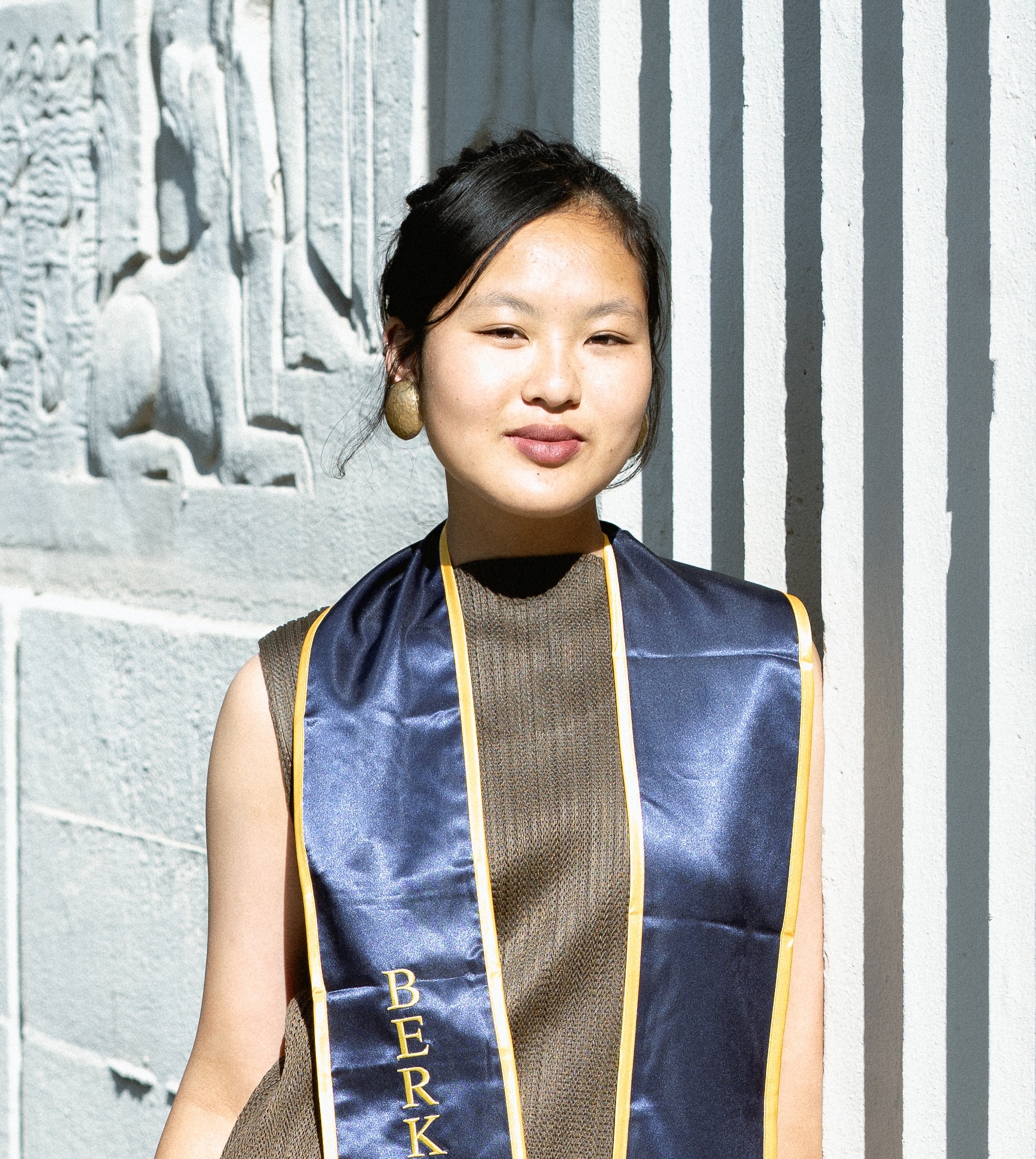
Alyssa Nguyen
Alyssa is a PhD Student studying Data Science at the University of Chicago where she is a research assistant at the Booth School of Business. She graduated from UC Berkeley with a B.A. in Data Science. She previously worked at IRLE doing labor economics research, BAIR doing machine learning research, and was a Social Science Research Pathways Scholar. She is broadly interested in data provenance techniques to document data flows within government institutions.
Talip Akçelik
Talip Akçelik is a Research Assistant and PhD Candidate in Sociology at Hacettepe University. His research interests lie at the intersection of computational social sciences and analytical sociology. His work focuses on low-wage service work in Türkiye, with a particular emphasis on university graduates employed within this sector.