Participants
Monash University
Alfie Chadwick is a PhD student at the Monash Climate Communication Hub. His research focuses on quantitative and computational methods for communication research, with a particular interest in developing tools for the field. He is especially interested in climate misinformation, Australian politics, and recommender systems, and is also an affiliate of the ADMS.
Monash University
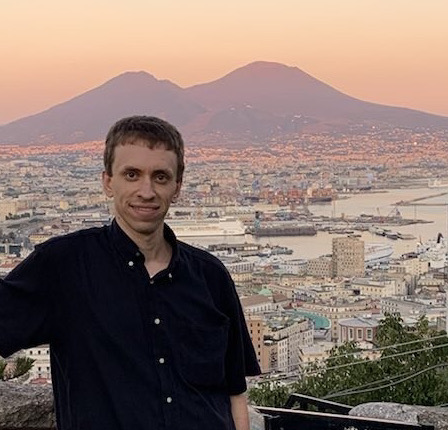
Zachary Daus is a doctoral student at Monash University working on the ethics of AI in healthcare.
University of Queensland
Mohammad Faisal is a PhD candidate in sociology at the University of Queensland, supported by an ADM+S doctoral scholarship. His research examines how culturally and linguistically diverse jobseekers experience Australia's digitised public employment services, combining qualitative interviews with survey analysis.
University of Sydney
Lan Ha is a PhD candidate in digital communication at the University of Sydney developing feminist approaches to moderating ableism on social media. Her prior research applies computational topic modelling and data science methods to platform governance, misinformation, and disability-inclusive digital participation.
Yuri Jung

Queensland University of Technology
Yuri Jung worked as a public elementary school teacher in Korea for 14 years. She completed a Master's degree from a Korean university of education, where she wrote a thesis on culture and arts education utilizing media. She later completed doctoral coursework in Korea and explored media literacy through the lens of the Frankfurt School's critical theory. To continue this interest in media literacy, she plans to begin a Master's program in Digital Communication at QUT in the second half of 2026.
RMIT University
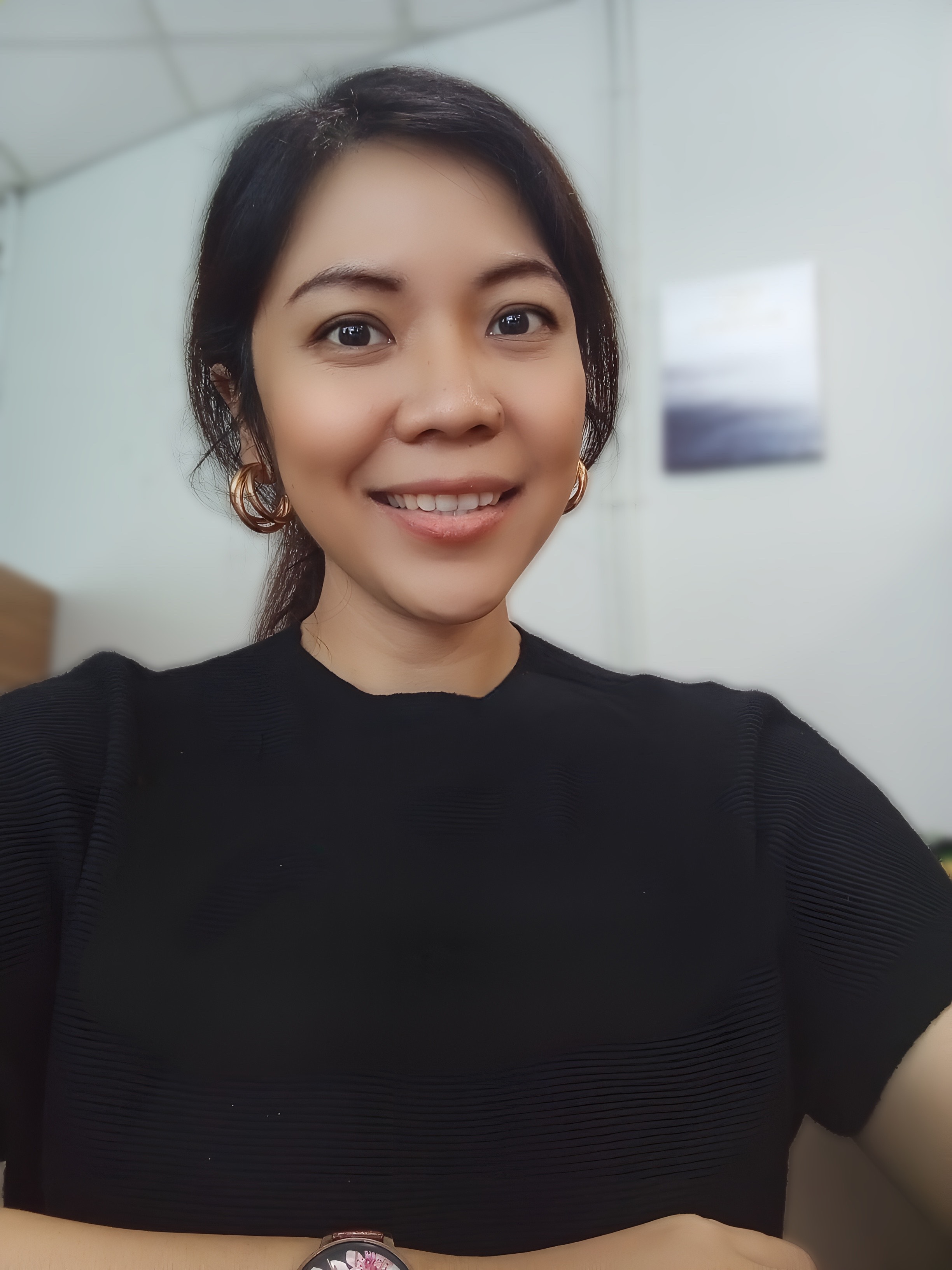
Utami is currently a PhD candidate at the School of Media and Communication at RMIT's College of Design and Social Context. Her PhD research seeks to examine the transformative potential of data journalism in Australia and Indonesia through a multi-layered and mixed method analysis of (1) desktop research on national data ecosystems, (2) critical analysis of data journalism outputs (both written article and data visualizations), and (3) the experiences, reported professional practices, and perceptions of data journalists in these countries. She holds a Master's degree (summa cum laude) in media and communication with a specialization in data journalism from the University of Nebraska–Lincoln (Fulbright Scholar) and completed a professional program in computational journalism at Columbia University (Lede Fellowship). She also received a Investigative Data Bootcamp fellowship from the U.S. Investigative Reporters & Editors (IRE) to attend the bootcamp at the University of Missouri.
University of Sydney
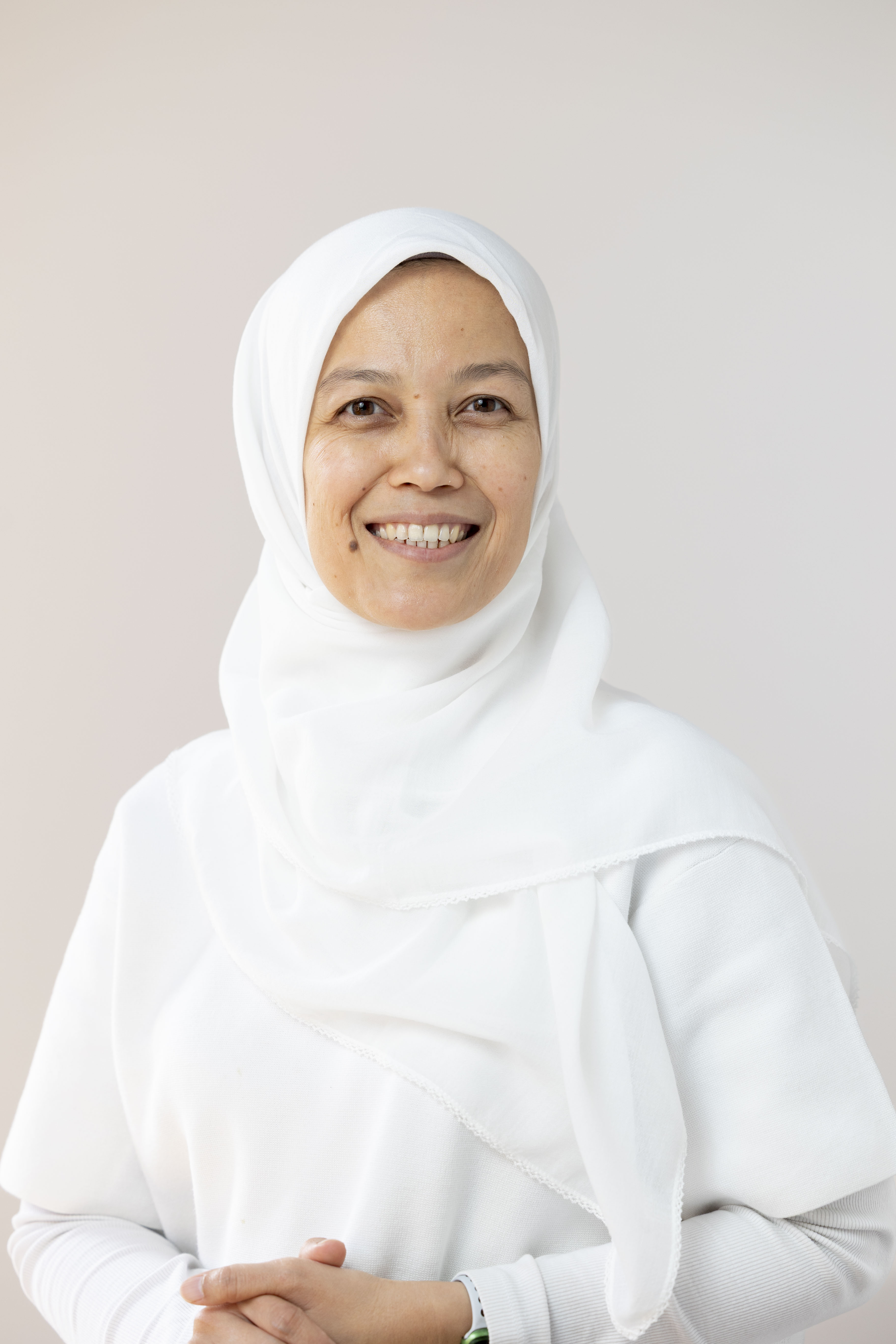
Putri Limilia is a PhD student at the University of Sydney whose research examines how political astroturfing and influence operations shape public opinion during political events. Drawing on interviews, surveys, experiments, text analysis, and social network analysis, she investigates the hidden strategies and industry behind coordinated political communication.
Chapman University
Lewis Luartz is an instructional assistant professor at Chapman University whose research spans political behaviour, public opinion, and populism in comparative perspective. He applies quantitative and computational approaches to electoral politics, survey nonresponse, and the social effects of major crises such as the COVID-19 pandemic.
Queensland University of Technology
Shaghayegh Mohammadamini is a PhD candidate at QUT researching gendered media bias and stereotype framing in Australian news on YouTube. Her work combines BERTopic modelling, qualitative media analysis, and NVivo coding to examine how women are represented in news video content and audience engagement.
University of Melbourne
Talal Raza is a researcher at the University of Melbourne interested in applying computational social science to media, communication, and platform governance questions. He is attending SICSS-Melbourne to strengthen his skills in digital trace data collection, text analysis, and ethical research design.
James Cook University
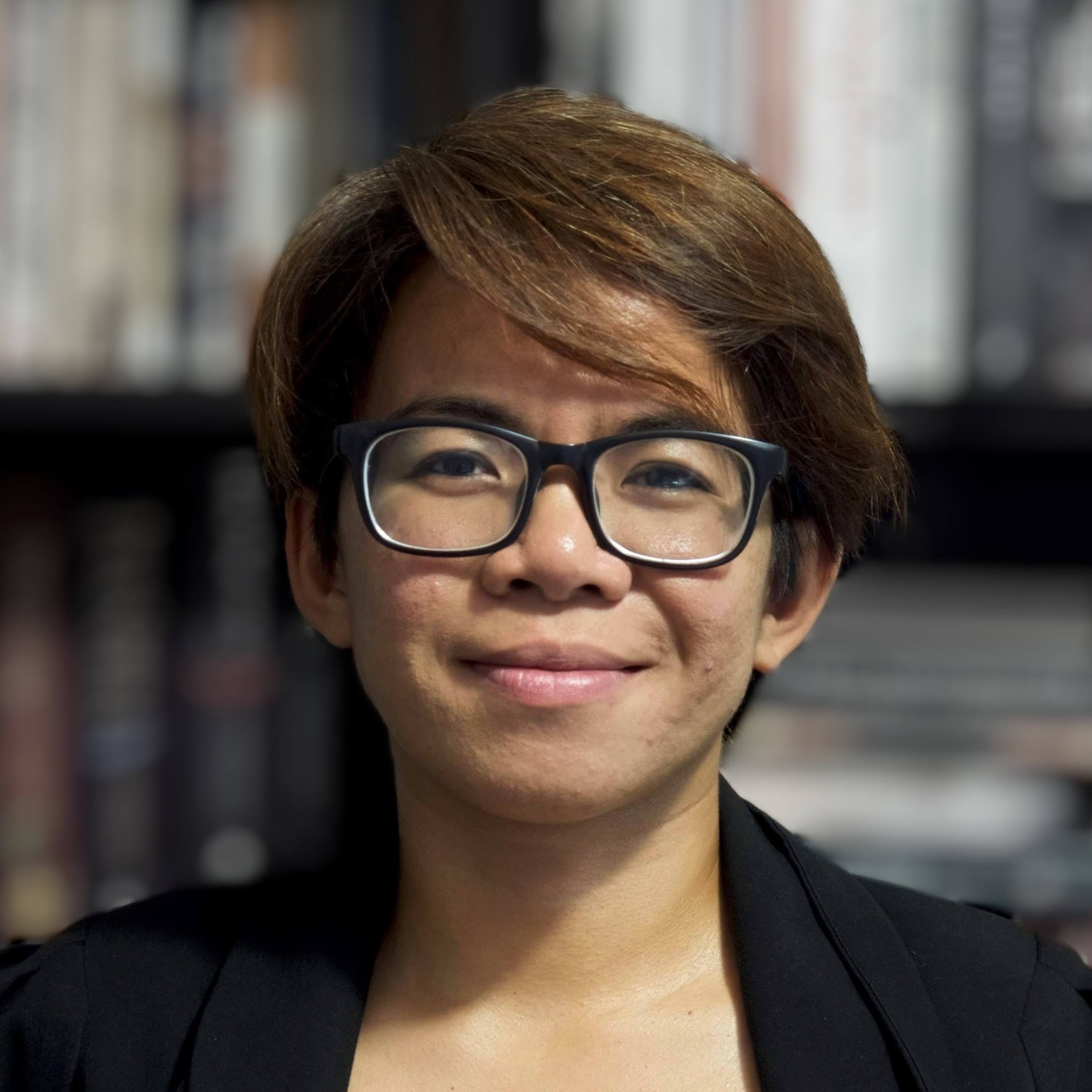
Klaire Somoray is a Lecturer in the School of Psychology at James Cook University. Their program of research is within the intersection of psychology, technology, and digital wellbeing. Guided by a strong equity lens, Klaire is especially interested in how technology impacts marginalised communities (including racialised and LGBTQ+ populations) and how digital tools can be leveraged to maximise their benefits and minimise harms.
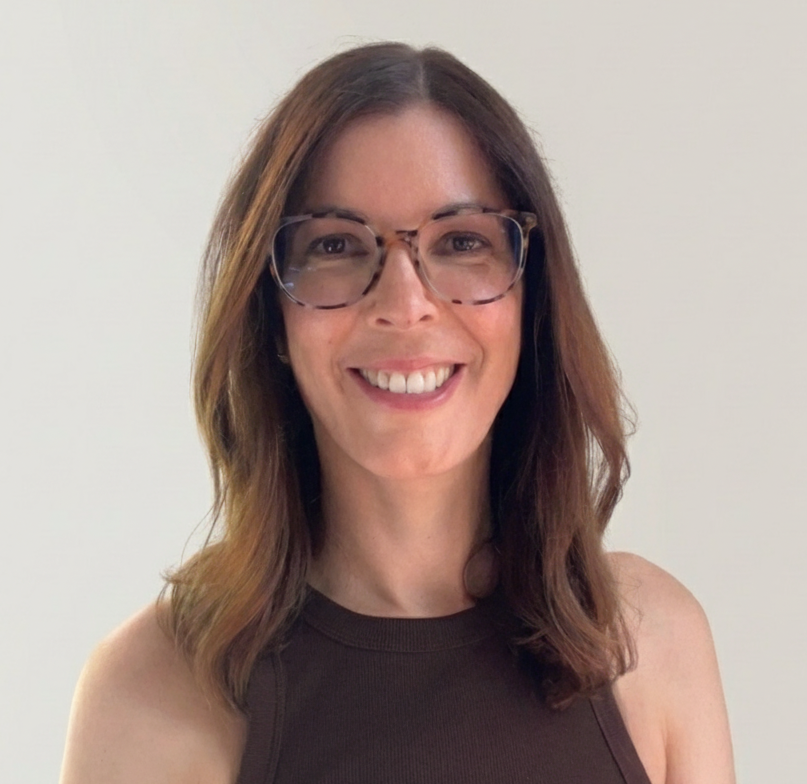
Deakin University
Elizabeth Spry studies how mental health and social disadvantage transmit across generations, with a focus on social determinants across the preconception and perinatal periods. Her emerging research program aims to integrate epidemiological and computational methods, to better understand parental experiences and identify patterns and disruptors of risk.
Australian National University
Silviana Tana is a Lecturer in Information Systems at the Australian National University, researching digital transformation and AI management in organizations. Her interdisciplinary work is rooted in qualitative organizational research and is expanding into computational methods to study how digital technologies reshape work, governance, and society.

RMIT University
Claire Tao is a PhD candidate in Media and Communication at RMIT University. Her research sits at the intersection of public service media, platform studies, and computational approaches to digital journalism. Her PhD project uses mixed methods, with a focus on Python-based content scraping, audience data donation, and NVivo-assisted qualitative interview analysis, to examine how diversity as a public value circulates through third-party digital platforms.
RMIT University
Nethmi Wijesinghe is a PhD candidate in computer science at RMIT University studying trustworthiness judgements and social conformity in mixed human–AI online environments. Her research combines controlled user studies with quantitative and qualitative analysis to inform responsible design of AI-mediated social platforms.

Monash University
Jennifer Wilson is a PhD candidate at Monash University studying whether large language models can be used to make Australian parliamentary documents more accessible. Their research uses LLMs to explain legal texts, which are then examined to explore hallucinations, omissions, and emotions.
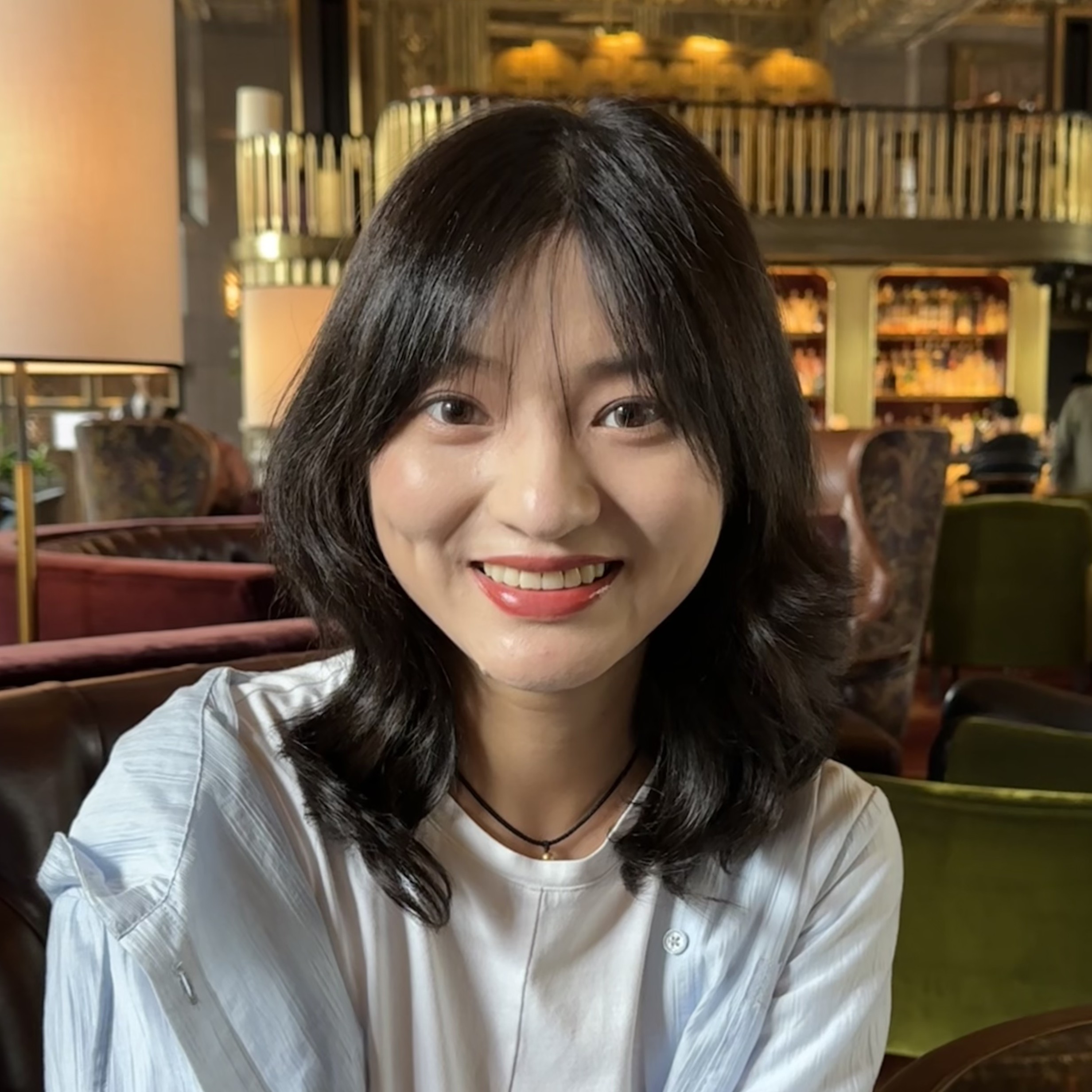
University of Sydney
Jiahui Xing is a PhD candidate in Media and Communications at the University of Sydney and visiting scholar at the University of Amsterdam. Her research uses garments as a lens to study digital platforms, algorithms, and AI, asking what computational systems and methods can and cannot capture about cultural objects that exist in the physical world. She teaches media, cultural heritage, and policy at USyd and UNSW.
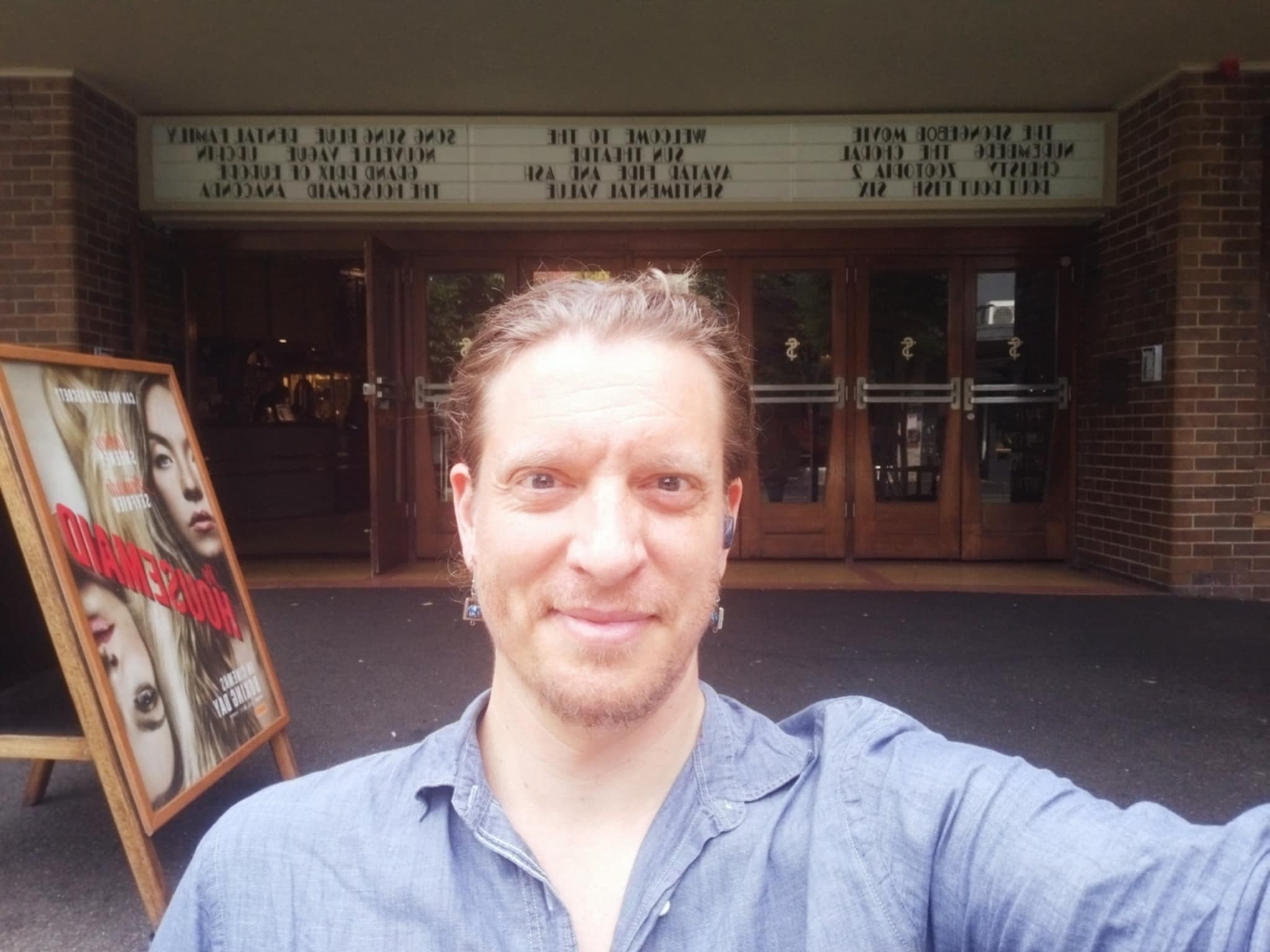
Deakin University
Gordon Young is an expert in professional ethics, power dynamics and cultural analysis. He is currently writing a PhD on the ethics of using AI-driven interventions for countering violent extremism (CVE) on social media. His research focuses on developing a comprehensive ethical framework to guide the best use of AI in this context.
University of Melbourne
Temirlan Zhumadilov is a PhD candidate in political science at the University of Melbourne with training in text analysis, experiments, and comparative politics. His research applies quantitative and computational methods to political communication, public opinion, and energy transition politics.