Speakers and Participants
Speakers & Organisers
ARC Centre of Excellence for ADM+S
SpeakerFutoon is a researcher at the Australian Internet Observatory. Futoon holds a PhD in Computer Science from RMIT University, Australia, where she developed deep learning methodologies for sequence data modelling. Her broader research spans AI, machine learning, temporal data analytics, emotion recognition, audio analysis, and natural language processing.
QUT Digital Media Research Centre
Organiser; SpeakerDaniel is Professor of Digital Communication and Director of the Digital Media Research Centre at QUT. A Chief Investigator in ADM+S, he develops computational methods—including visualisation, NLP, and topic modelling—for studying communication, media, and digital platforms.
University of Sydney
SpeakerDr. Francesco Bailo is a Senior Lecturer in Data Analytics in the Social Sciences at The University of Sydney, where his work operates at the intersection of political science, communication, and computational data science. With a deep research focus on digital politics, he specializes in analyzing the dynamics of online communities, public discourse on social media, and the shifting relationship between news organizations and digital activists.
University of Sydney
Organiser; SpeakerOlga is Senior Lecturer in Digital Cultures and Founder of the Computational Social Science Lab at the University of Sydney. She studies networks, narratives, and cultures of activism, developing computational tools for large-scale analysis of online communication.
Swinburne University of Technology
SpeakerDominique is a Postdoctoral Research Fellow whose work focuses on the societal and cultural impacts of AI, human-machine dynamics, and developing frameworks for inclusive AI futures in Australia. Her interdisciplinary research examines how communities negotiate, shape, and contest emerging technologies, drawing on digital ethnography to analyze the roles of bots and automated communication platforms..
QUT Digital Media Research Centre
SpeakerKunal is a research fellow conducting large-scale image analysis and machine vision techniques for qualitative and quantitative social science, including tools for clustering visually similar images and identifying patterns in visual culture.
Queensland University of Technology
SpeakerEhsan is a Senior Lecturer and researcher whose work investigates the intersection of digital media, political communication, and discourse theory. His research focuses on the dynamics of digitally mediated political struggles, analysing phenomena such as polarization, antagonism, and misinformation across mainstream and fringe social media platforms.
University of Melbourne
SpeakerKim is a Research Data Specialist at the Melbourne Data Analytics Platform (MDAP) and a PhD candidate in the School of Culture and Communication at the University of Melbourne. Her interdisciplinary research operates at the intersection of political communication, computational linguistics, and text-as-data methodologies, leveraging natural language processing (NLP) and modern Large Language Models (LLMs) to analyze social media discourse, data journalism, and digital political campaigns.
RMIT University
SpeakerOliver is a Vice-Chancellor's Research Fellow in the School of Media & Communication at RMIT University, specializing in media public policy across television, screen, and emerging digital formats. Drawing on his background as a former public servant for the Australian Government's media reform agenda, his research examines how legacy policy and regulatory frameworks can be updated to navigate the disruptions faced by consumers and industries in the modern digital media economy.
ARC Centre of Excellence for ADM+S
SpeakerMichael is a Senior Software Developer at the Australian Internet Observatory. He works on data donation and participant-centred approaches to accessing digital trace data, including data download packages and tools.
RMIT/ ADM+S
SpeakerLaura is a PhD researcher at RMIT and Newsroom Innovation Lead at ABC News. As a former investigative digital producer for ABC's Four Corners, she specialised in creative, inclusive, and long-form storytelling. Following her Reuters Journalism Fellowship at the University of Oxford—where she researched editorial algorithms and public-interest journalism—her current work operates at the intersection of technology and media, guiding newsrooms to adopt emerging formats and AI responsibly.
ARC Centre of Excellence for ADM+S
SpeakerLauren is a research Fellow and communications researcher at the University of Queensland's Centre for Digital Cultures & Societies. Her research focuses on the intersection of digital media, platform consumer cultures, and automated decision-making.
ACMI
SpeakerIndigo is Head of Research at ACMI—Australia's national museum of screen culture. Working through ethnographic methods mixed with statistics, she examines qualitative research in cultural institutions and the boundary between academic and audience-centred practice.
ARC Centre of Excellence for ADM+S, QUT
Organiser; SpeakerKateryna is a Research Fellow at ADM+S, QUT. Her work examines how search practices and interfaces shape real-world events and partisanship, using LLM-based discourse modelling, network analysis, and practice mapping.
GESIS, Germany
SpeakerAhrabhi a Postdoctoral Research Associate at GESIS – Leibniz Institute for the Social Sciences in Germany, working within the Computational Social Science department and the Transparent Social Analytics team. Her research operates at the intersection of political communication and computational methods, specifically focusing on social bias, automated racism detection, and the dynamics of polarization and migration in mediated and parliamentary discourses.
University of Melbourne
SpeakerHiruni is a postdoctoral researcher at the University of Melbourne's School of Social and Political Sciences. She focuses on using ubiquitous computing, multi-modal sensing, and value-sensitive design to understand interactions between vulnerable road users—such as pedestrians and cyclists—and emerging micro-mobility technologies like e-scooters.
Industry
SpeakerAriel is a Data Scientist at the Australian Broadcasting Corporation (ABC), where his work operates at the intersection of public-service journalism, data science, and AI. With a background in physics and extensive experience deploying scalable machine learning and natural language processing (NLP) pipelines, he focuses on developing data-driven products and collaboration models that align technical capabilities with editorial goals to personalize the news responsibly.
University of Melbourne
SpeakerSeraphine is a Senior Lecturer in Political Science (Research Methods) at the University of Melbourne whose work focuses on the comparative study of democracy, authoritarianism, and regime transformation. Her research leverages computational social science, quantitative text analysis, and open-source Large Language Models (LLMs) to examine the language of political leaders, digital authoritarianism, and the impacts of AI on democratic governance.
Australian Bureau of Statistics (ABS)
SpeakerAndrew McMahon is the Program Manager for Data Science and Emerging Methods at the Australian Bureau of Statistics, where he leads the development of new statistical solutions, big data integration, and AI methodologies.
RMIT University
SpeakerSachin is a computer science researcher and data scientist specializing in Information Retrieval. His research focuses on developing and evaluating knowledge-augmented Conversational AI and retrieval-augmented generation (RAG) systems, with a particular emphasis on ensuring the fair dissemination of multiple perspectives in intelligent question-answering systems.
Australian Research Data Commons (ARDC)
SpeakerSonia is a user support manager, responsible for user experience and providing training and support to researchers using the ARDC Nectar Research Cloud.
University of Melbourne
SpeakerDaniel is a Senior Research Fellow at the University of Melbourne's School of Computing and Information Systems. Working within the Melbourne Data Analytics Platform (MDAP), his transdisciplinary research applies data science, quantitative methods, natural language processing, and advanced data visualization to digital humanities projects, with a particular expertise in computational musicology.
University of Melbourne
SpeakerRichard is a Professor of Applied Computing Systems and the Director of E-Research at the University of Melbourne's School of Computing and Information Systems. His research focuses on large-scale distributed systems, IT security, and big data architectures, leading an extensive portfolio of multidisciplinary projects that apply advanced software engineering to areas like clinical trials, epidemiology, and urban systems.
ARC Centre of Excellence for ADM+S
SpeakerDan is a Software Developer at the Australian Internet Observatory, where he applies his computer science expertise to support research in computational social science. He develops digital tools that enable the management, visualisation, and analysis of collected data.
RMIT University
SpeakerJohanne is a Senior Lecturer in Human-Computer Interaction at RMIT University's School of Computing Technologies. Her research operates at the intersection of conversational systems, interactive information retrieval, and human-computer interaction, focusing on developing next-generation intelligent voice assistants and spoken search interfaces to improve information accessibility.
ARC Centre of Excellence for ADM+S
SpeakerKellie is a Research Fellow at the University of Queensland's Centre for Digital Cultures & Societies and the Australian Internet Observatory. Her interdisciplinary research focuses on Human-Computer Interaction (HCI), exploring how digital systems and ambient technologies can be designed to foster social connectedness, support digital wellbeing, and connect children and older adults with outdoor environments.
Deakin University
SpeakerSvetha is a Deakin Distinguished Professor and Co-Director of the Applied Artificial Intelligence Initiative (A2I2) at Deakin University. Her pioneering research focuses on statistical machine learning, pattern recognition, and Bayesian optimization, translating complex computational frameworks into real-world applications across large-scale surveillance, health analytics, and early intervention tech for autism.
Deakin University
Organiser; SpeakerMatteo is Associate Professor in Sociology at Deakin University and Director of the Tackling Hate Lab. He combines social science and data science to study prejudice, hate crime, extremism, and rigorous validation in computational social science.
CSIRO
SpeakerStephen is a Team Leader and Senior Research Scientist at CSIRO’s Data61, where his work operates at the intersection of computational linguistics, artificial intelligence, and domain-specific science applications. With over 20 years of research experience and a PhD in Computational Linguistics from Macquarie University, he focuses on deploying natural language processing (NLP), text mining, and machine learning pipelines to extract actionable insights from complex text data.
RMIT University
SpeakerOleg is a Research Fellow at RMIT University's node of the ARC Centre of Excellence for Automated Decision-Making and Society (ADM+S). His research focuses on information retrieval (IR), where he explores query performance prediction, search system pipelines, and user behavior analysis to optimize system performance and improve user experience.
Participants
Monash University
Alfie Chadwick is a PhD student at the Monash Climate Communication Hub. His research focuses on quantitative and computational methods for communication research, with a particular interest in developing tools for the field. He is especially interested in climate misinformation, Australian politics, and recommender systems, and is also an affiliate of the ADMS.
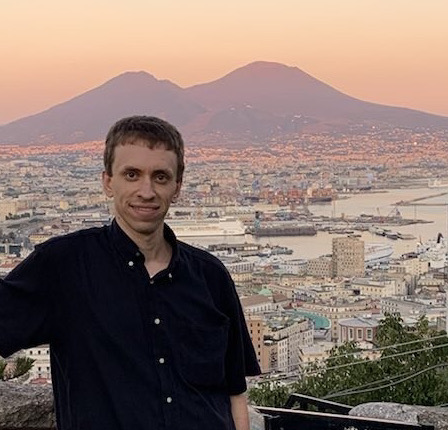
Monash University
Zachary Daus is a doctoral student at Monash University working on the ethics of AI in healthcare.
University of Queensland
Mohammad Faisal is a PhD candidate in sociology at the University of Queensland, supported by an ADM+S doctoral scholarship. His research examines how culturally and linguistically diverse jobseekers experience Australia's digitised public employment services, combining qualitative interviews with survey analysis.
University of Sydney
Lan Ha is a PhD candidate in digital communication at the University of Sydney developing feminist approaches to moderating ableism on social media. Her prior research applies computational topic modelling and data science methods to platform governance, misinformation, and disability-inclusive digital participation.
Yuri Jung
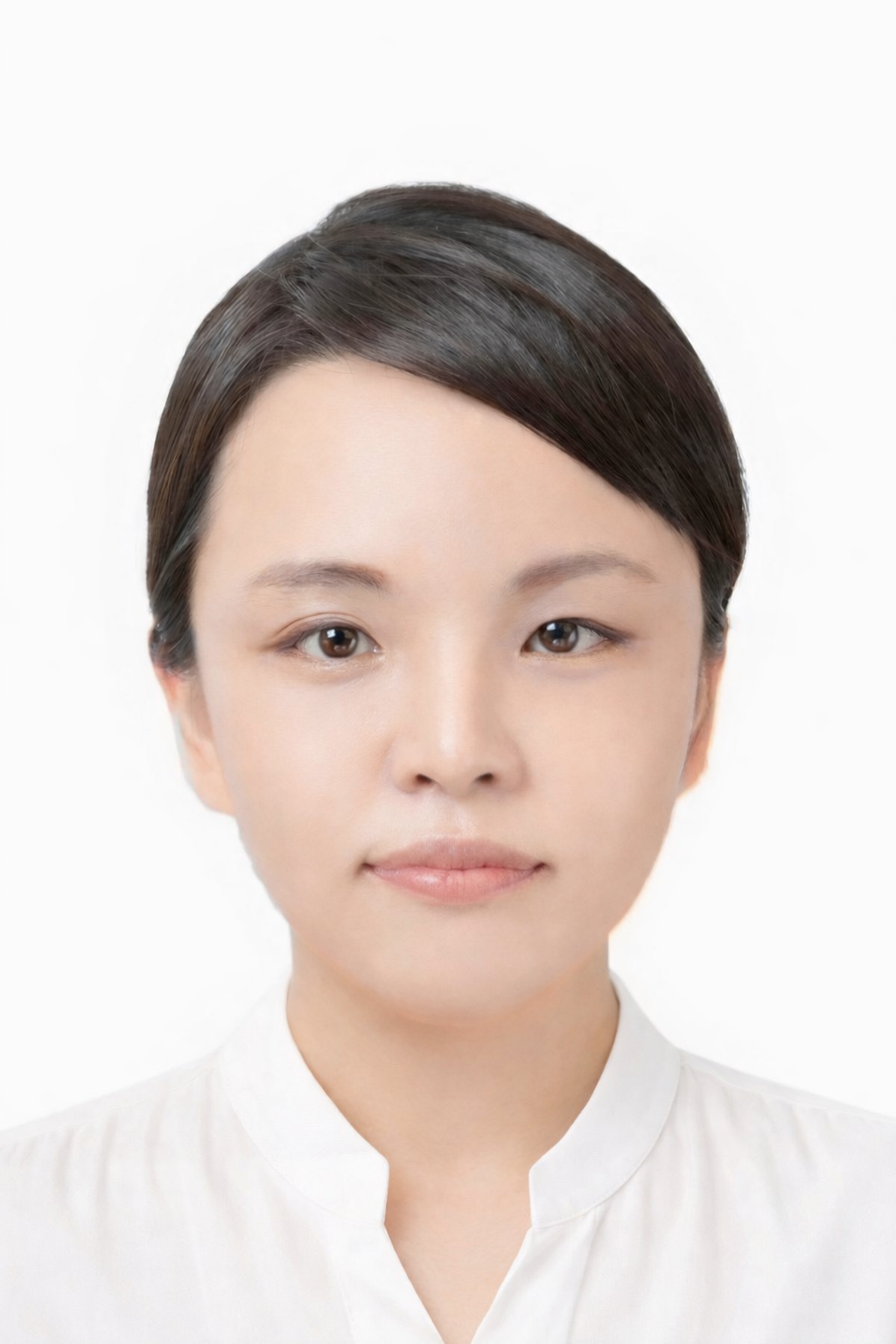
Queensland University of Technology
Yuri Jung worked as a public elementary school teacher in Korea for 14 years. She completed a Master's degree from a Korean university of education, where she wrote a thesis on culture and arts education utilizing media. She later completed doctoral coursework in Korea and explored media literacy through the lens of the Frankfurt School's critical theory. To continue this interest in media literacy, she plans to begin a Master's program in Digital Communication at QUT in the second half of 2026.
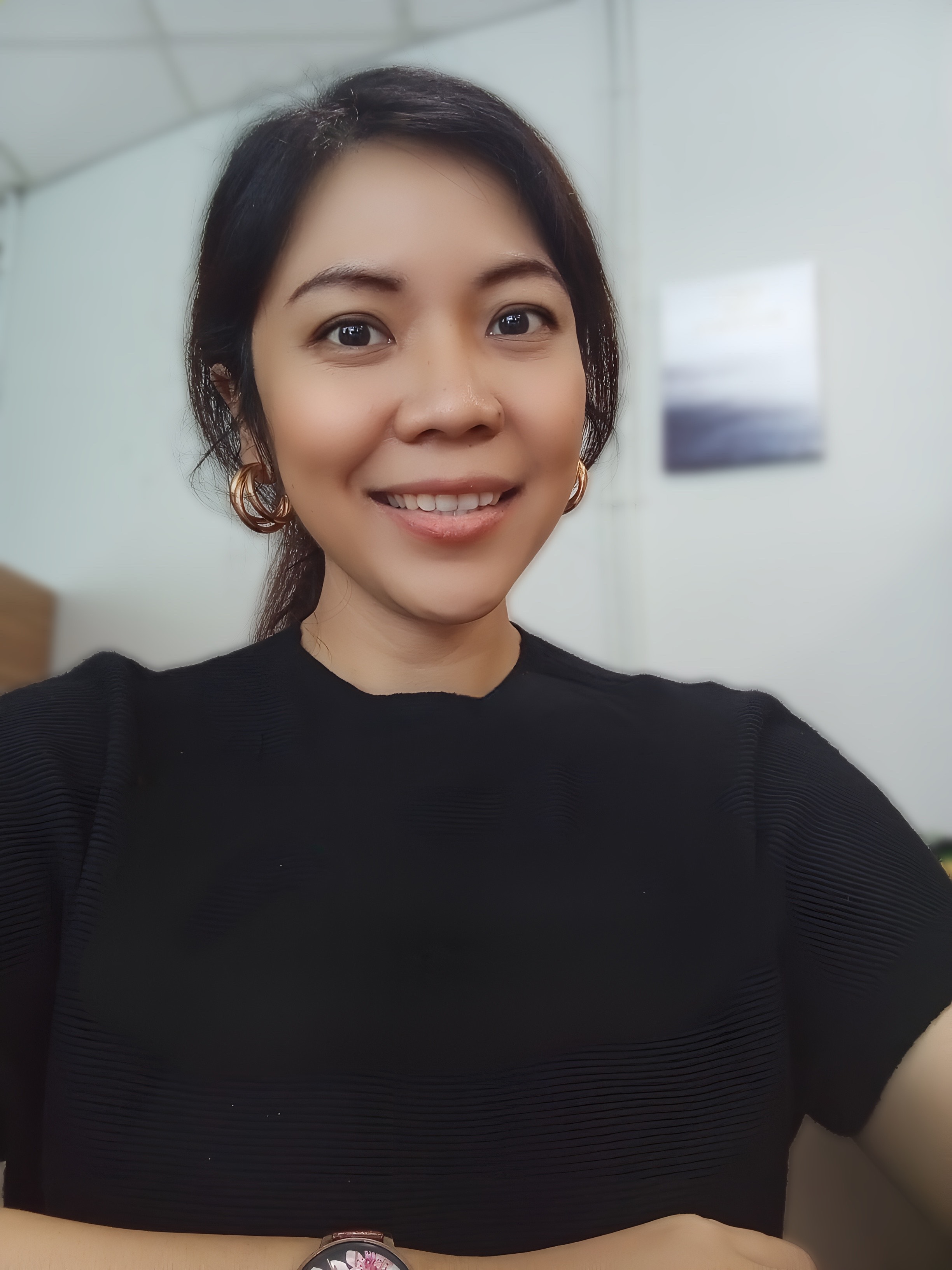
RMIT University
Utami is currently a PhD candidate at the School of Media and Communication at RMIT's College of Design and Social Context. Her PhD research seeks to examine the transformative potential of data journalism in Australia and Indonesia through a multi-layered and mixed method analysis of (1) desktop research on national data ecosystems, (2) critical analysis of data journalism outputs (both written article and data visualizations), and (3) the experiences, reported professional practices, and perceptions of data journalists in these countries. She holds a Master's degree (summa cum laude) in media and communication with a specialization in data journalism from the University of Nebraska–Lincoln (Fulbright Scholar) and completed a professional program in computational journalism at Columbia University (Lede Fellowship). She also received a Investigative Data Bootcamp fellowship from the U.S. Investigative Reporters & Editors (IRE) to attend the bootcamp at the University of Missouri.
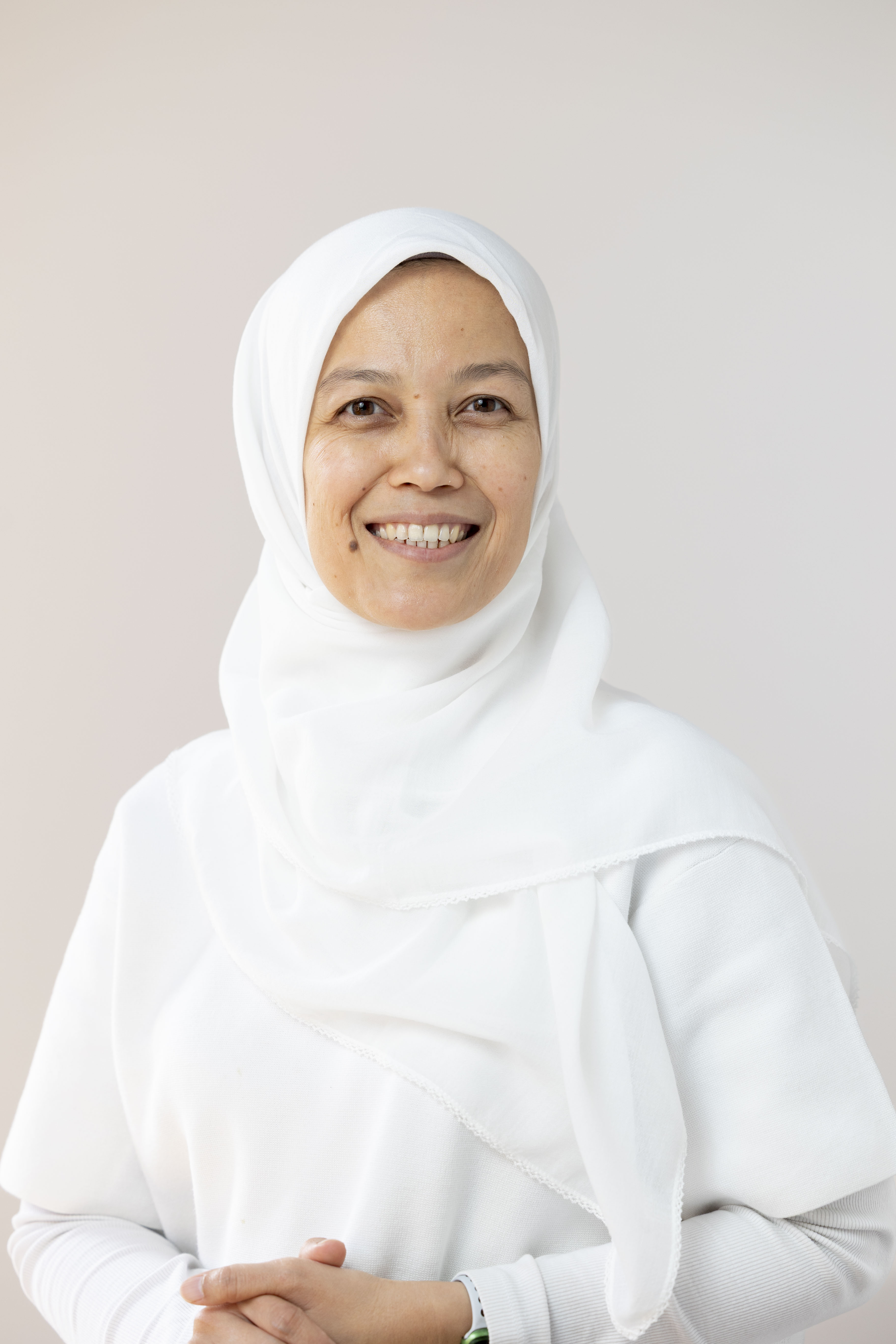
University of Sydney
Putri Limilia is a PhD student at the University of Sydney whose research examines how political astroturfing and influence operations shape public opinion during political events. Drawing on interviews, surveys, experiments, text analysis, and social network analysis, she investigates the hidden strategies and industry behind coordinated political communication.
Chapman University
Lewis Luartz is an instructional assistant professor at Chapman University whose research spans political behaviour, public opinion, and populism in comparative perspective. He applies quantitative and computational approaches to electoral politics, survey nonresponse, and the social effects of major crises such as the COVID-19 pandemic.
Queensland University of Technology
Shaghayegh Mohammadamini is a PhD candidate at QUT researching gendered media bias and stereotype framing in Australian news on YouTube. Her work combines BERTopic modelling, qualitative media analysis, and NVivo coding to examine how women are represented in news video content and audience engagement.
University of Melbourne
Talal Raza is a researcher at the University of Melbourne interested in applying computational social science to media, communication, and platform governance questions. He is attending SICSS-Melbourne to strengthen his skills in digital trace data collection, text analysis, and ethical research design.
James Cook University
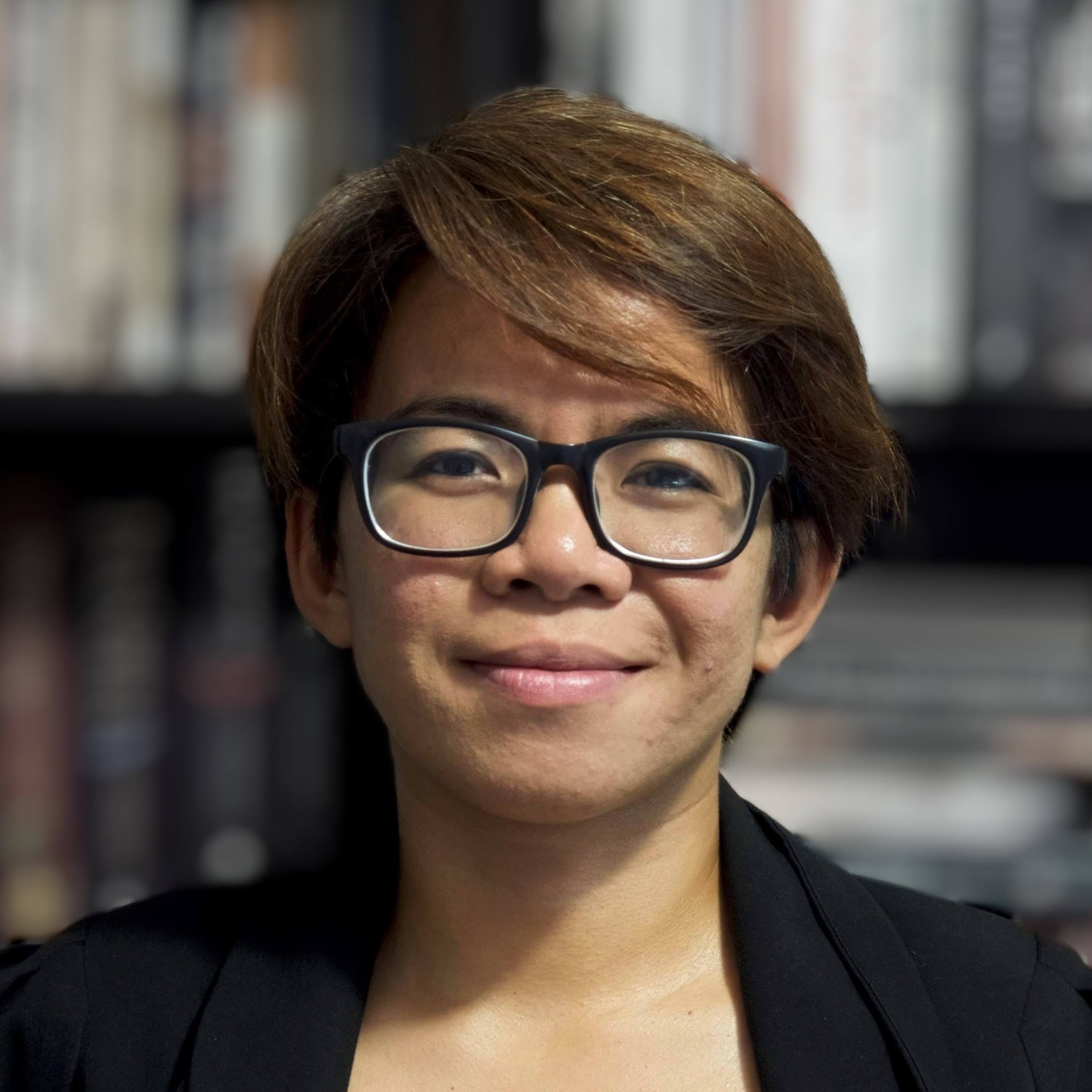
Klaire Somoray is a Lecturer in the School of Psychology at James Cook University. Their program of research is within the intersection of psychology, technology, and digital wellbeing. Guided by a strong equity lens, Klaire is especially interested in how technology impacts marginalised communities (including racialised and LGBTQ+ populations) and how digital tools can be leveraged to maximise their benefits and minimise harms.
Deakin University
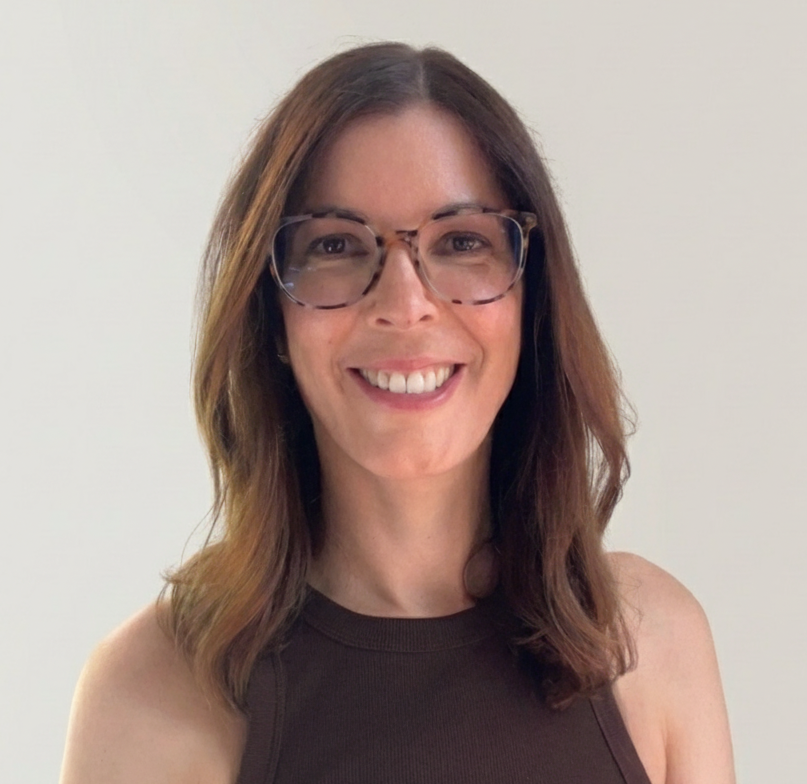
Elizabeth Spry studies how mental health and social disadvantage transmit across generations, with a focus on social determinants across the preconception and perinatal periods. Her emerging research program aims to integrate epidemiological and computational methods, to better understand parental experiences and identify patterns and disruptors of risk.
Australian National University
Silviana Tana is a Lecturer in Information Systems at the Australian National University, researching digital transformation and AI management in organizations. Her interdisciplinary work is rooted in qualitative organizational research and is expanding into computational methods to study how digital technologies reshape work, governance, and society.
RMIT University
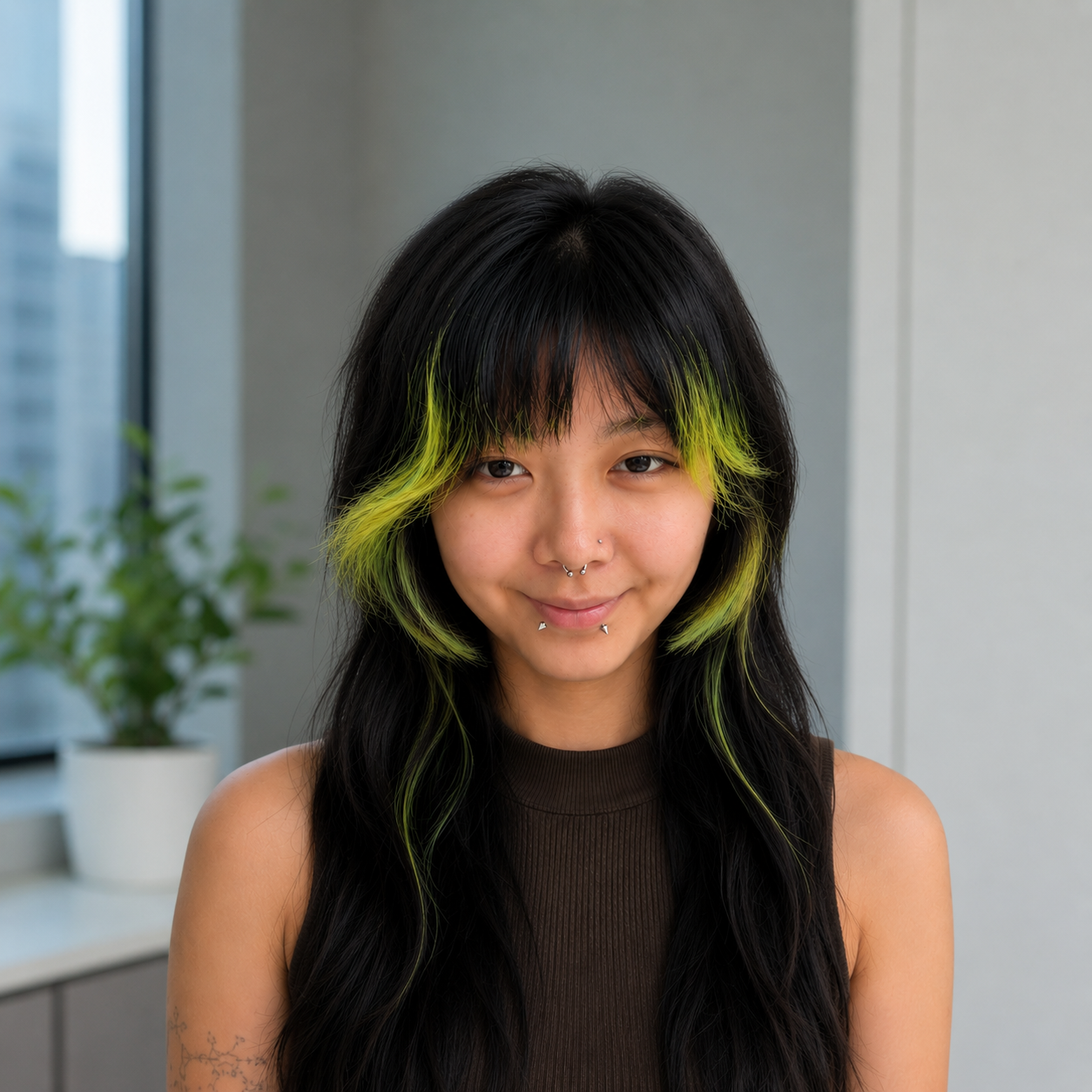
Claire Tao is a PhD candidate in Media and Communication at RMIT University. Her research sits at the intersection of public service media, platform studies, and computational approaches to digital journalism. Her PhD project uses mixed methods, with a focus on Python-based content scraping, audience data donation, and NVivo-assisted qualitative interview analysis, to examine how diversity as a public value circulates through third-party digital platforms.
RMIT University
Nethmi Wijesinghe is a PhD candidate in computer science at RMIT University studying trustworthiness judgements and social conformity in mixed human–AI online environments. Her research combines controlled user studies with quantitative and qualitative analysis to inform responsible design of AI-mediated social platforms.

Monash University
Jennifer Wilson is a PhD candidate at Monash University studying whether large language models can be used to make Australian parliamentary documents more accessible. Their research uses LLMs to explain legal texts, which are then examined to explore hallucinations, omissions, and emotions.
University of Sydney
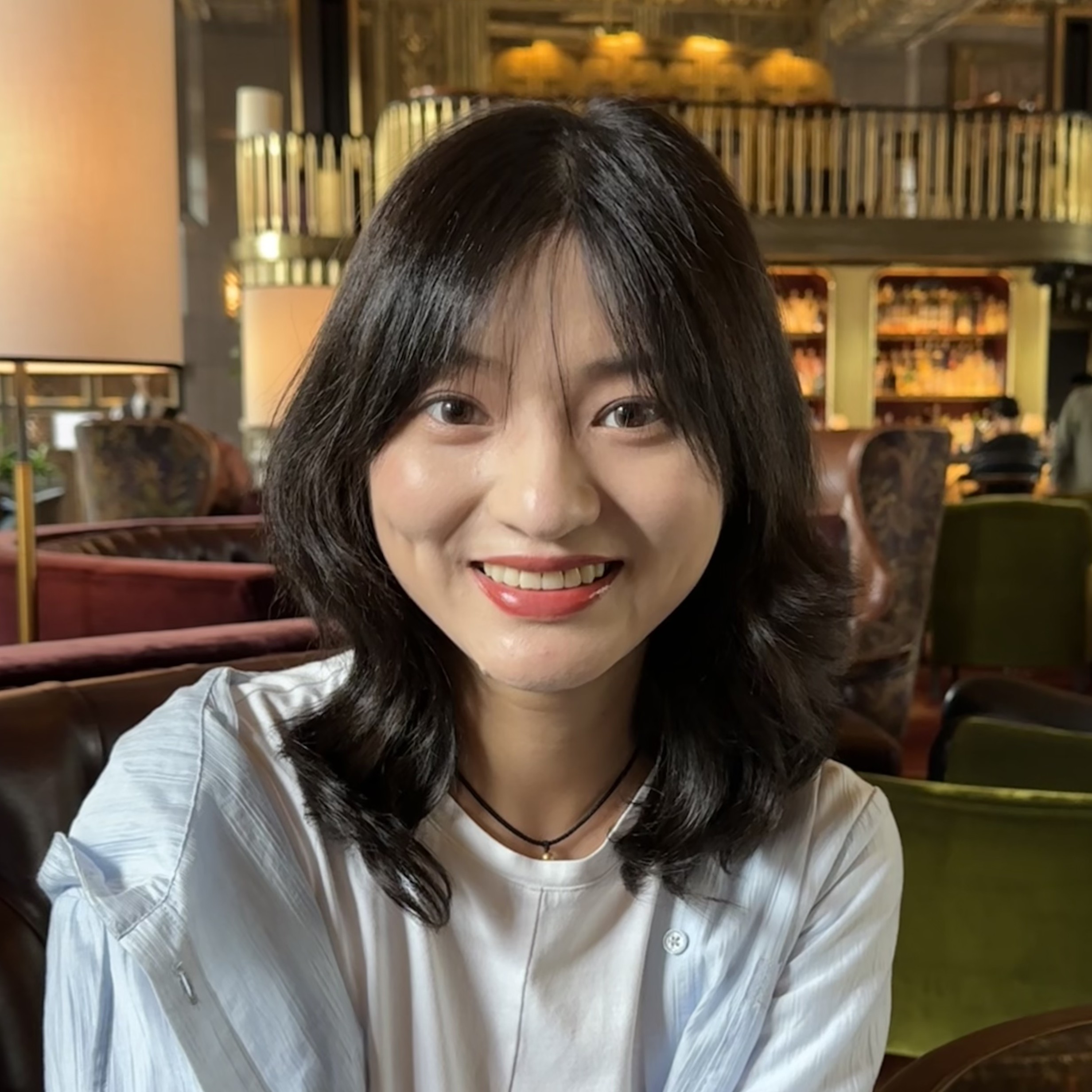
Jiahui Xing is a PhD candidate in Media and Communications at the University of Sydney and visiting scholar at the University of Amsterdam. Her research uses garments as a lens to study digital platforms, algorithms, and AI, asking what computational systems and methods can and cannot capture about cultural objects that exist in the physical world. She teaches media, cultural heritage, and policy at USyd and UNSW.
Deakin University
Gordon Young is an expert in professional ethics, power dynamics and cultural analysis. He is currently writing a PhD on the ethics of using AI-driven interventions for countering violent extremism (CVE) on social media. His research focuses on developing a comprehensive ethical framework to guide the best use of AI in this context.
University of Melbourne
Temirlan Zhumadilov is a PhD candidate in political science at the University of Melbourne with training in text analysis, experiments, and comparative politics. His research applies quantitative and computational methods to political communication, public opinion, and energy transition politics.